
How University Place Associates Is Redefining Mission-Driven Development in University City
In the heart of University City , one of the most innovation-dense districts in the country, University Place Associates (UPA) is quietly reshaping what modern development can and should be.
This is not development for development’s sake. It is not speculative square footage chasing short-term gains. It is a long-term, mission-driven investment in health, sustainability, civic partnership, and inclusive economic growth.
University Place Associates has positioned itself as a leading sustainable and socially conscious commercial real estate developer, focused on building “best in class” environments that support the institutions, agencies, researchers, and innovators shaping the future of public health and life sciences.
At University Place, every building tells a larger story.
A Campus Built on Purpose, Not Just Plans
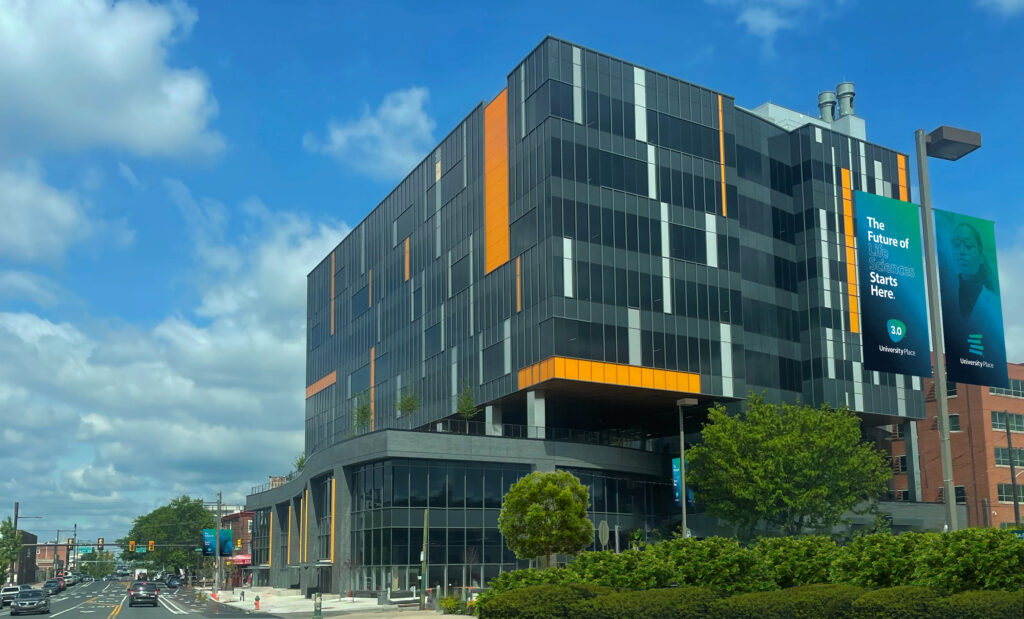
University Place is not a single building. It is a thoughtfully curated ecosystem located in Philadelphia’s University City district , a neighborhood globally recognized for its concentration of research universities, hospitals, biotech firms, and public-private partnerships.
UPA recognized something powerful early on: innovation does not happen in isolation. It happens where proximity, infrastructure, and mission align.
With that insight, University Place Associates began assembling a campus designed to serve government agencies, health-focused organizations, life sciences companies, and research institutions seeking more than just office space. They sought a platform for impact.
The result is University Place , a multi-phase, sustainability-first campus engineered for collaboration and long-term community benefit.
2.0 University Place: Setting the Standard
2.0 University Place marked the first completed phase of the campus vision. It established the development’s foundational commitment to sustainability, wellness, and high-performance design.
Rather than treating environmental certifications as marketing tools, UPA embedded them into the DNA of the building itself. Energy efficiency systems, sustainable materials, air quality standards, and access to natural light were prioritized from the start.
This initial building signaled to the market that University Place would not compete on aesthetics alone , it would compete on standards.
It created a home for mission-aligned tenants who valued environmental responsibility, employee well-being, and long-term operational resilience.
3.0 University Place: A New Benchmark for Healthy Workplaces
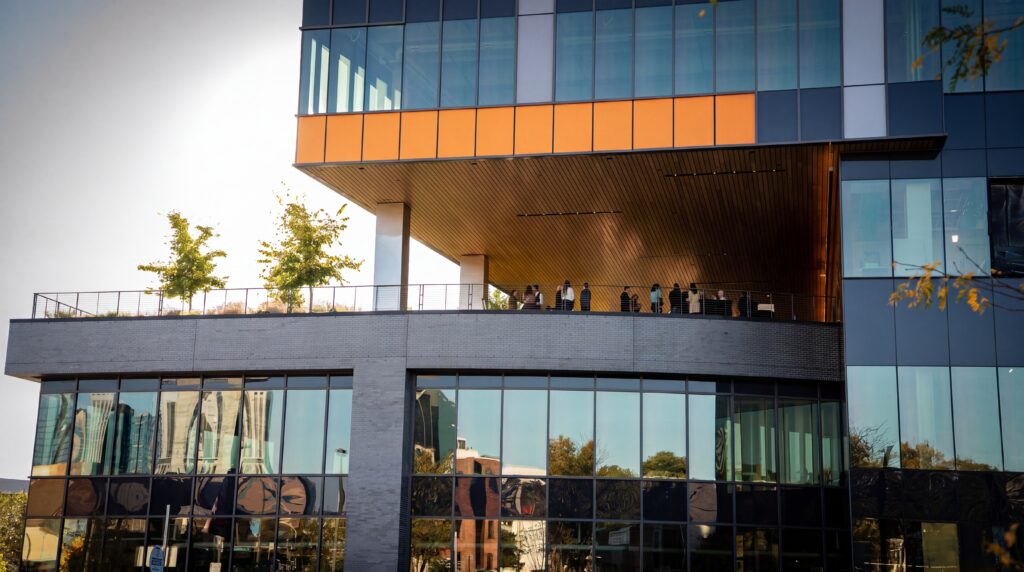
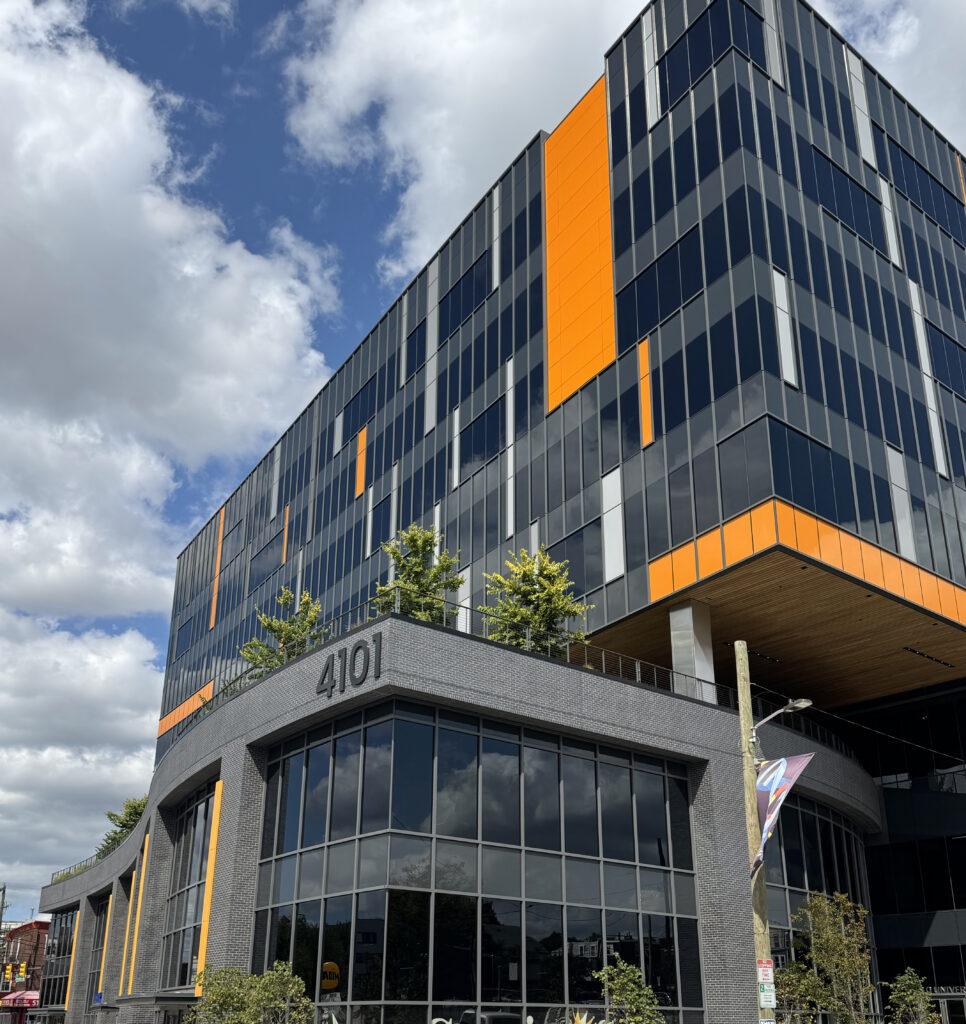
With 3.0 University Place, UPA elevated the campus to a new level. Designed to pursue both LEED and WELL Platinum Certifications, 3.0 University Place reflects a belief that buildings should actively enhance human health. The structure incorporates high-efficiency systems, sustainable building materials, and advanced indoor environmental quality controls.
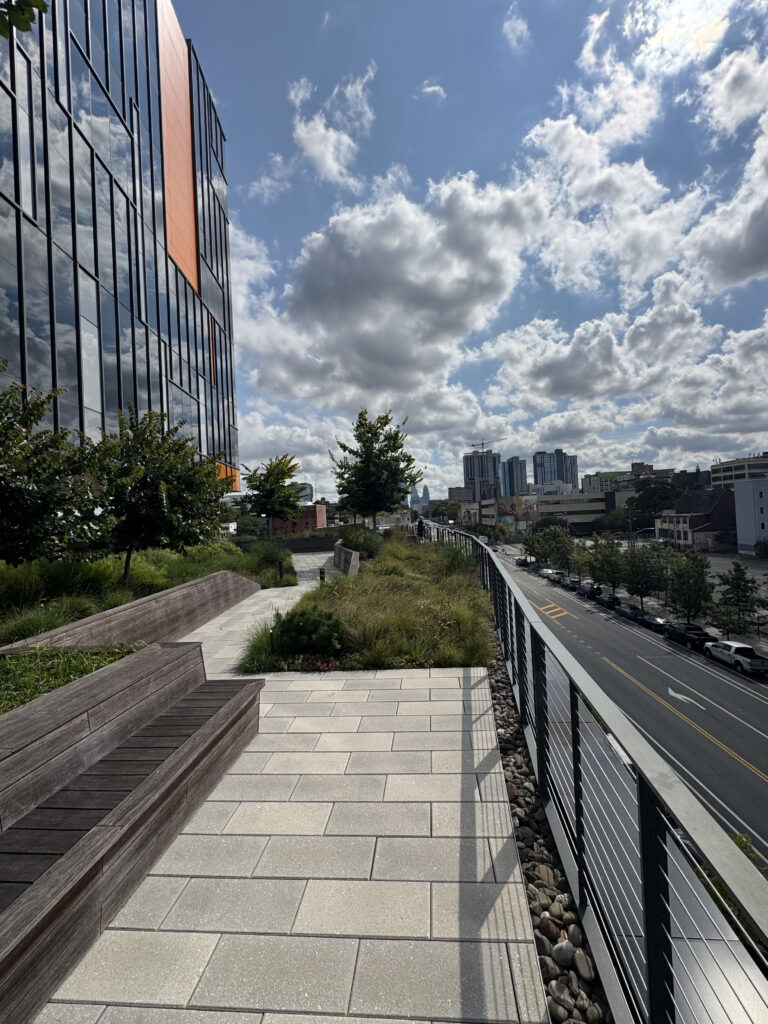
But beyond systems and certifications, 3.0 is built around the human experience. The building features a 14,000-square-foot green roof, a rare amenity in dense urban environments. This space is not decorative; it is intentional. Access to nature has been shown to reduce stress, improve cognitive performance, and enhance overall well-being. For the government agencies, research teams, and life sciences professionals working inside, this rooftop is both a retreat and a collaborative platform.
Walkability, bike accessibility, EV charging infrastructure, and stormwater management systems reinforce the campus-wide commitment to environmental stewardship. Sustainability at University Place is not a checkbox, it is operational.
3.0 University Place also serves as home to MEET, a tech-enabled, premium meeting and event platform that anchors the campus with high-impact programming. From executive offsites to public-private forums, MEET embodies UPA’s belief that space should catalyze collaboration.
4.0 and 5.0: Expanding the Vision
UPA’s development strategy is phased, deliberate, and future-focused. 4.0 University Place represents the next expansion of the campus footprint. While details continue to evolve, the intention remains consistent: to create additional high-performance space for mission-driven organizations seeking proximity to Philadelphia’s academic and medical powerhouses.
Simultaneously, 5.0 University Place demonstrates UPA’s holistic view of development. More than a parking garage, 5.0 includes a community park, reinforcing the belief that infrastructure should serve both tenants and neighbors.
By integrating public-facing green space into a functional parking structure, UPA underscores its philosophy that even utilitarian elements can contribute to civic life. Together, these phases reflect a campus strategy that balances growth with community integration.
Anchored in Innovation, Surrounded by Impact
University Place’s geographic context is one of its greatest strengths. University City is home to world-class institutions including University of Pennsylvania and Drexel University, along with major health systems and research centers. This density of intellectual capital creates a unique environment where academia, government, and industry intersect daily.
UPA recognized that for federal agencies, public health departments, and biotech innovators, proximity to these institutions is strategic. It enables talent recruitment, research collaboration, and ecosystem integration. University Place does not simply offer square footage. It offers adjacency to excellence.
A Development Philosophy Rooted in Responsibility
What differentiates University Place Associates is not just the quality of its buildings, but the intentionality behind them. UPA approaches development as a civic responsibility.
Each project is evaluated not only for its financial viability, but for its long-term contribution to environmental health, community engagement, and economic mobility. The firm prioritizes partnerships that align with these values, seeking tenants and collaborators who share a commitment to measurable impact. This approach resonates particularly with government agencies and mission-driven institutions whose operational mandates extend beyond profit.
For organizations focused on public health, scientific advancement, and equity, the physical environment in which they operate matters. It signals priorities. It shapes culture. It influences outcomes. University Place Associates understands this.
The Venture Pavilion: A Platform for Collective Progress
Central to the campus experience is The Venture Pavilion , an open-air venue designed for summits, leadership gatherings, and mission-focused programming. Unlike traditional conference venues detached from their surroundings, The Venture Pavilion sits within the University Place ecosystem. It reinforces UPA’s belief that meaningful progress happens when leaders gather with intention.
Here, federal health agencies can convene with private biotech partners. Academic researchers can share insights with venture groups. Community organizations can host forums addressing economic mobility and health equity. The Pavilion embodies the campus’s broader identity: space as catalyst.
Looking Forward: The Future of Urban Innovation Campuses
As cities across the country grapple with how to modernize infrastructure, support public health missions, and reduce environmental impact, University Place Associates offers a compelling model.
The University Place campus demonstrates that sustainable development and economic growth are not mutually exclusive. That wellness standards can be integrated into commercial real estate at scale. That civic-minded design can attract high-caliber tenants.
In an era when organizations are rethinking workplace strategy, environmental commitments, and community engagement, UPA’s approach feels both timely and durable. It is not reactive. It is proactive.
University Place Associates continues to invest in a future where buildings do more than house people, they support purpose. Where infrastructure serves community. Where innovation is nurtured by thoughtful design.
In University City, amidst some of the world’s leading research and medical institutions, UPA has created something rare: a development ecosystem built with intention.
Not just to occupy space , but to advance impact.