More than 130 years after its founding, The Wistar Institute, the nation’s first independent biomedical research institute, is in the midst of its most consequential chapter yet.
In December 2025, the National Cancer Institute awarded Wistar’s Ellen and Ronald Caplan Cancer Center an “Exceptional” rating, recognizing the Institute’s role as both a global scientific leader and one of the most powerful drivers of Philadelphia’s life science economy. This recognition, the third the Institute has received, capped off a year of extraordinary growth. In the prior 12 months, Wistar launched two new research centers to expand its pursuit of cancer, immunology, and infectious disease research. Each new initiative builds on the proven foundation of Wistar’s Cancer Center and Vaccine & Immunotherapy Center to push the Institute’s foundational, early-stage science closer to patients who need it.
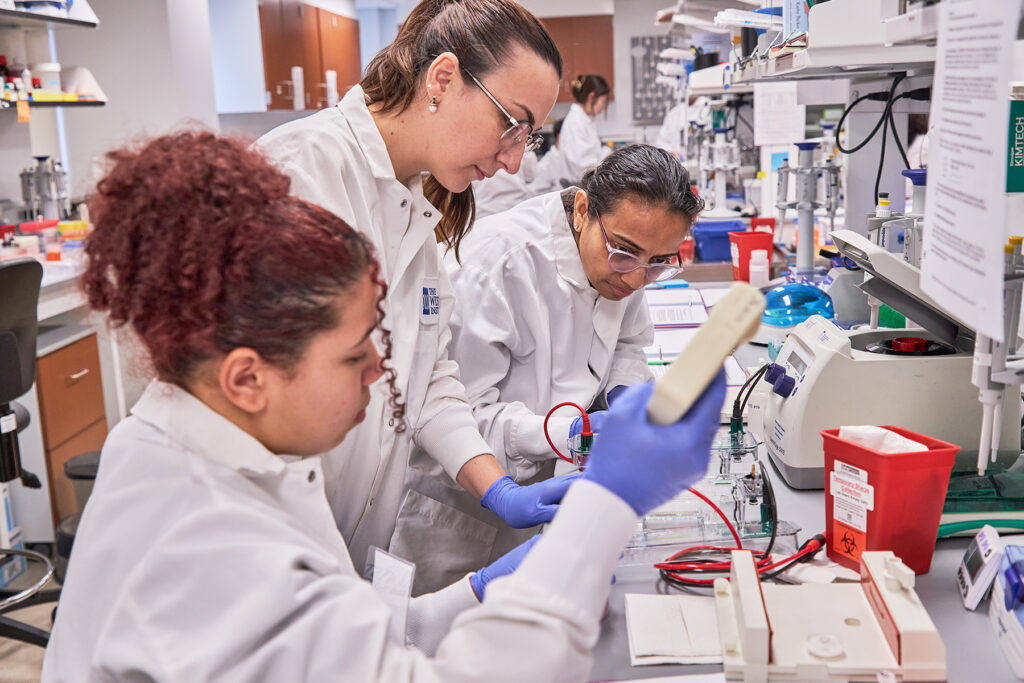
The Center for Advanced Therapeutics (CAT), which opened in September 2025, occupies 12,000 square feet of new state-of-the-art research space. Led by founding Director Dr. Paul M. Lieberman, the CAT brings together biologists and chemists working alongside computational and AI-driven tools to design new therapeutic molecules and advance Wistar technologies toward clinical trials. Where Wistar has long excelled a tasking fundamental scientific questions, the CAT is built to accelerate the process of acting on the answers. Reflecting this mission, immunologist Dr. Murad Mamedov, recently joined the CAT to study gamma-delta Tcells—an underexplored class of immune cells with significant potential in cancer immunotherapy. Using large-scale CRISPR genome editing tools, Dr. Mamedov is working to identify how these immune cells recognize cancer cells and how that knowledge can be engineered into future treatments.
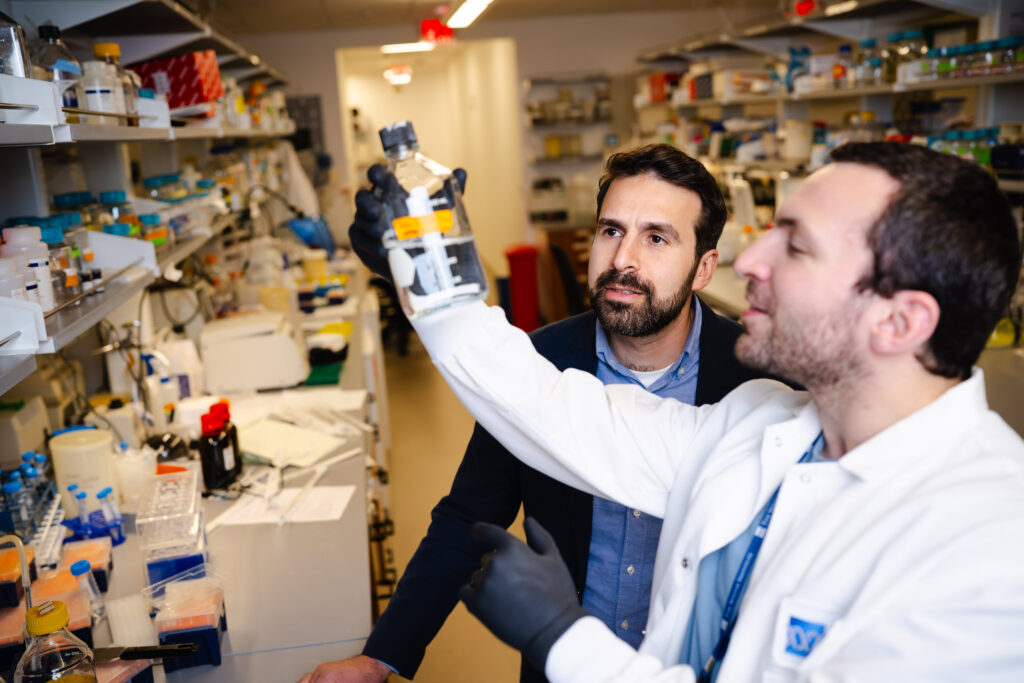
Wistar’s second new center, the HIV Cure and Viral Diseases Center, is led by Wistar’s Executive Vice President Dr. Luis J. Montaner, one of the world’s foremost HIV researchers. The Center builds on decades of Wistar HIV science with an explicit goal of moving beyond lifelong treatment to a lasting cure strategy, while simultaneously thinking translationally about other viral threats. Dr. Jianliang Xu, a recent recruit to the Center, exemplifies this approach. A molecular biologist who trained with a Nobel laureate infundamental antibody science, Xu now engineers nanobodies—miniaturized antibodies with powerful therapeutic potential—to target and neutralize HIV using tools that can be rapidly redirected against emerging pathogens such as RSV, SARS-CoV-2, and hemorrhagic fever viruses.
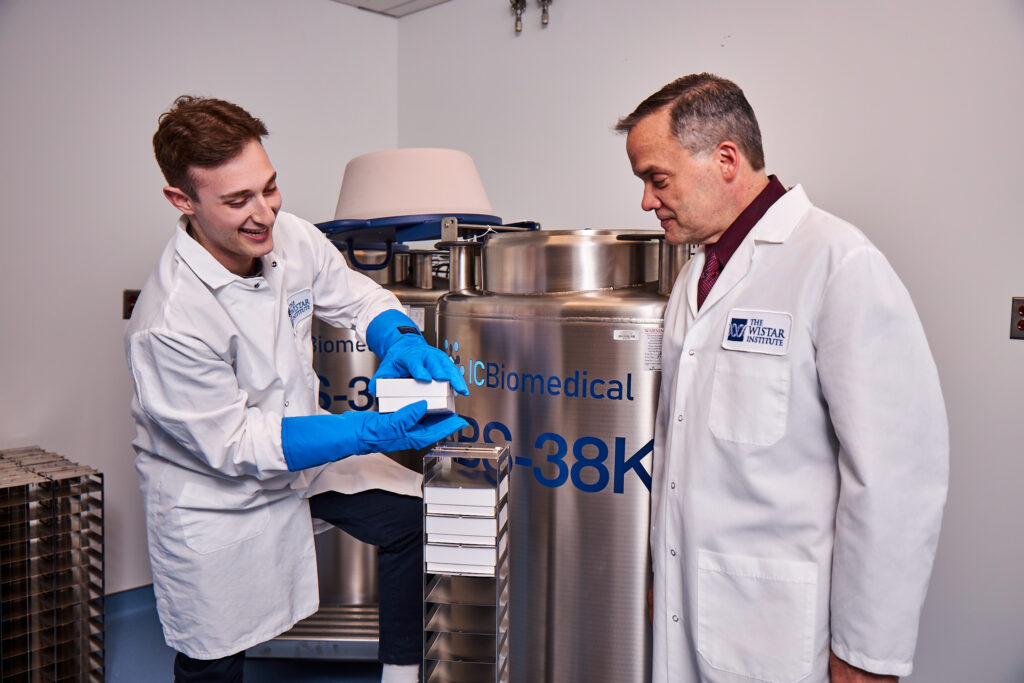
Scientists like Drs. Mamedov and Xu choose Wistar in large part because of its collaborative culture. The “team science” that defines the Institute can be seen in the fact that more than 90 percent of the Institute’s scientific publications are collaborative, and more than 70 percent of its federal funding is earned through partnerships. In 2011, Wistar partnered with the Helen F. Graham Cancer Center & Research Institute at Christiana Care in Delaware to bridge basic science with community cancer treatment, and that partnership continues today. Wistar’s Science Discovery Fund, a pool of seed funding earmarked for early-stage industry collaborations, is another example of the Institute’s commitment to collaboration in order to move science from bench to bedside faster.
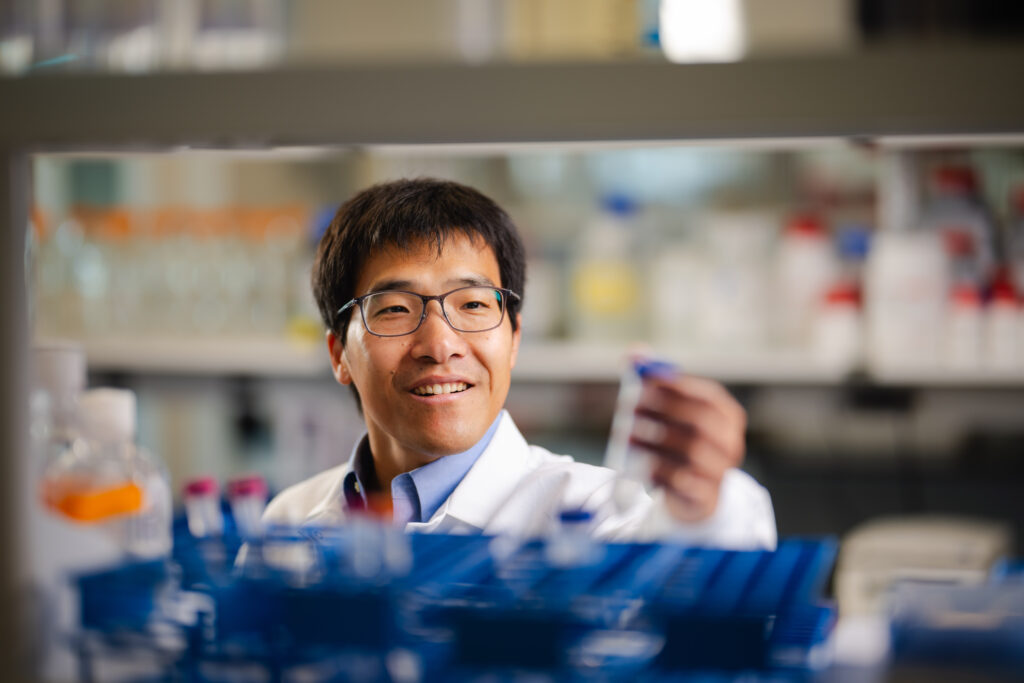
Innovation, Wistar has always understood, also requires cultivating the most essential element: people. The Institute’s education and training programs are recognized nationally as among the most innovative in the field. In 2025, more than 560 students and fellows were training at Wistar, from Philadelphia high schoolers getting their first hands-on exposure to cancer biology research, to postdoctoral fellows working at the frontier of immunology. Meanwhile, the Biomedical Technician Training Pre-apprenticeship Program has graduated 251 community college students since 2000, and 68 un- and underemployed adults have completed the BTT Program for Adults Living and Learning in Philadelphia (ALL in PHL) since 2022. Over 50% of completes have started related positions within a year and almost 70% of community college students have continued their education.
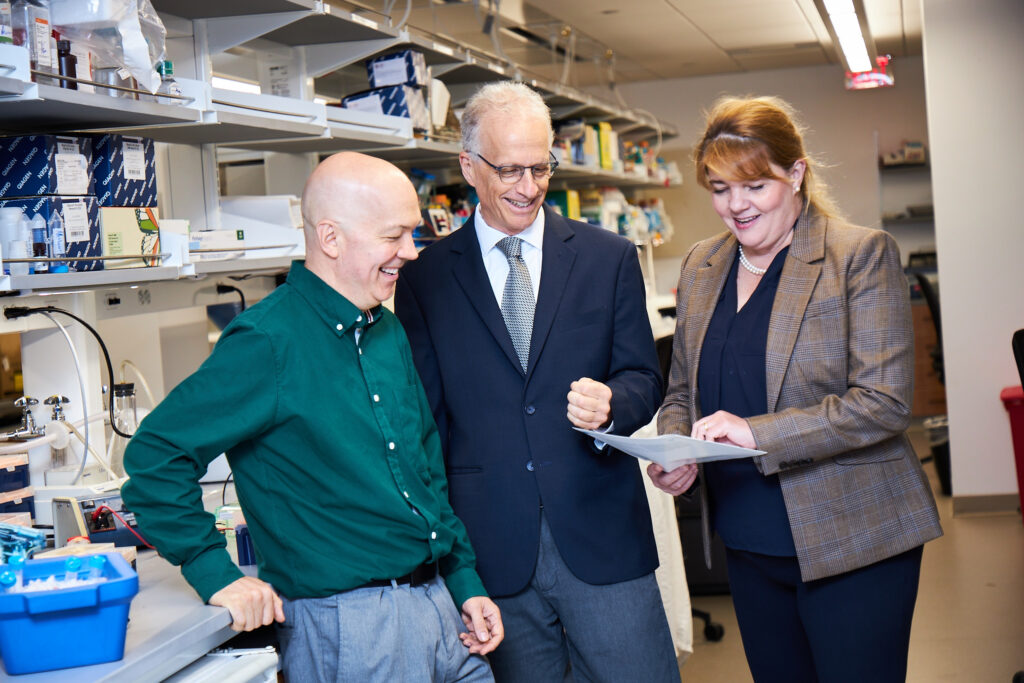
For 250 years, Philadelphia has been a city of firsts in medicine and science. Wistar has been an integral part of that tradition since the nineteenth century. However, the Institute’s most innovative era may be just arriving, via new labs, new collaborations, new faces, and new discoveries that are reaching patients faster than ever before. As Dr. Paul Lieberman, has put it, Wistar’s way of doing science is to harness the creativity of leading experts and foster their collaboration to generate basic discoveries that become solutions to the global health challenges of our time. In a city driven to build something that lasts, The Wistar Institute is doing exactly that.