A New Paradigm for Equitable Life Science Innovation in Southwest Philadelphia
The establishment of the SW Biotech Park in Southwest Philadelphia represents a transformative shift in urban development, moving beyond traditional real estate to a mission-driven model of “equitable bio-innovation.” Spearheaded by SW BIO CARE, LLC—a strategic joint venture between Urbane Development and Goffman Bougard, Inc.—this $260 million, six-acre campus at 61st Street and Lindbergh Boulevard is designed as a regional “opportunity engine”. By seamlessly integrating high-tech bio manufacturing with affordable housing and inclusive workforce training, the project aims to reverse decades of disinvestment and provide a scalable blueprint for community wealth building.
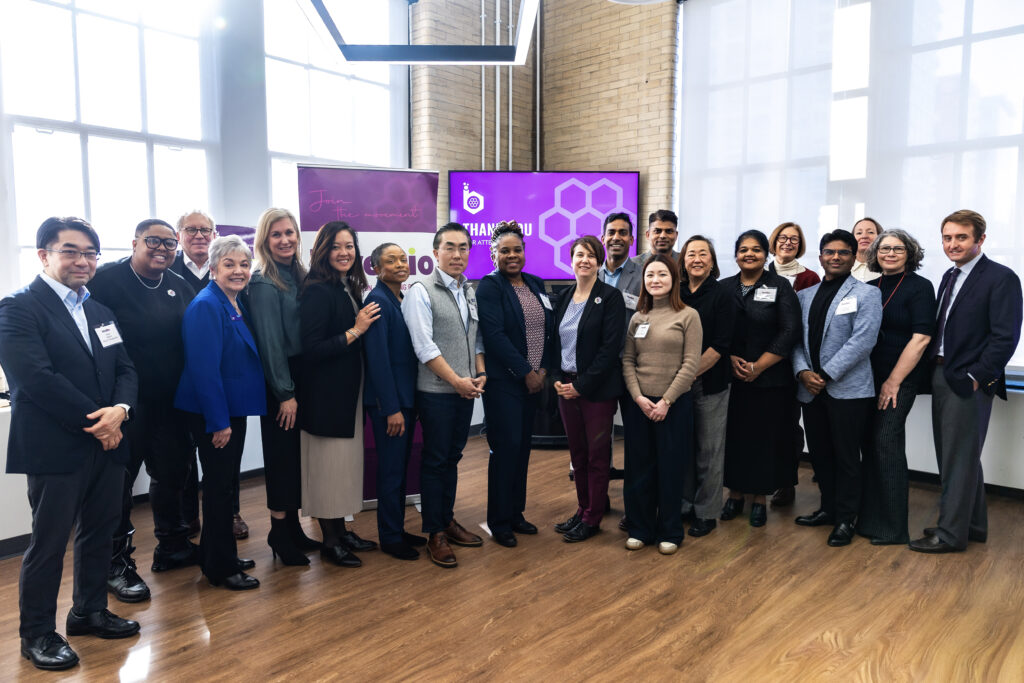
A Foundation of Integrated Infrastructure
The campus is anchored by a sophisticated biomanufacturing and R&D hub that addresses the critical shortage of “ready-to-use” laboratory space in Philadelphia’s growing “Cellicon Valley”.
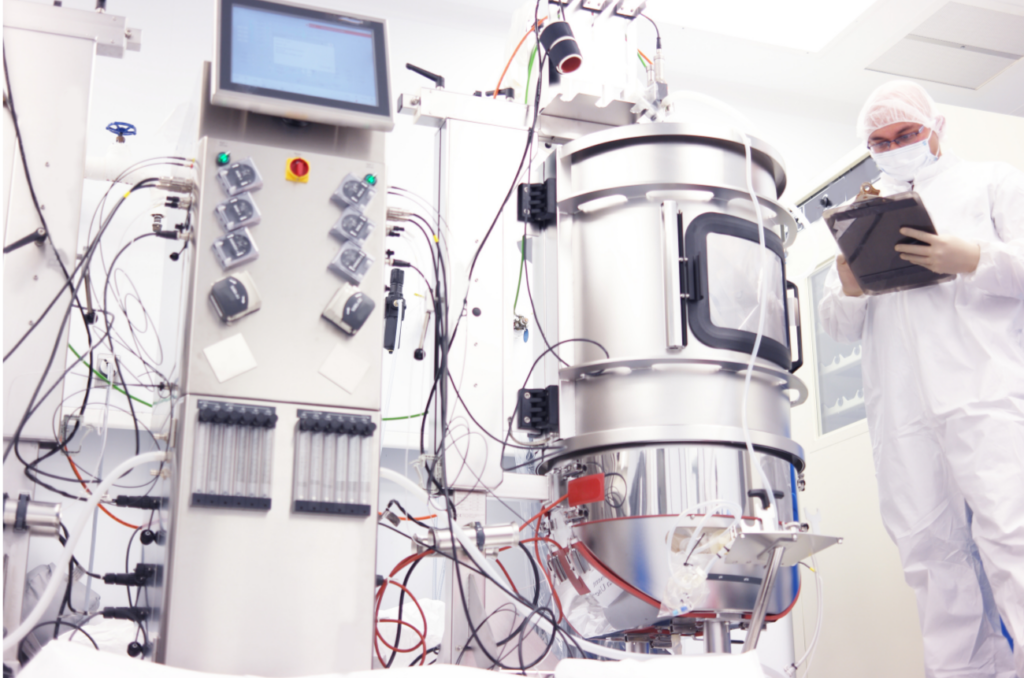
- Biomanufacturing Hub: Led by Lucas Pye BIO and HelaPlex, the facility will encompass roughly 80,000 square feet of space, featuring 19 clean room suites, small-scale bioprocessing units, and cGMP large-scale bioprocessing facility. This infrastructure lowers the barrier to entry for diverse entrepreneurs who historically lack access to capital-intensive facilities.
- Equitable Housing: Unique for a biotech development, the plan includes a mix of multi-family rentals, workforce housing, and homeownership units. This residential component is essential for mitigating displacement and ensuring that the physical benefits of innovation remain rooted in the local community.

Empowering the Local Workforce
At the heart of the project is a commitment to “upskilling” residents from underserved neighborhoods for high-demand careers in biopharma.
- The BioWorks Program: In partnership with the Black Latinx Indigenous Institutes of Health (BLIIH) and Urban Affairs Coalition (UAC), this pilot program offers a 28-week paid curriculum.
- Accessible Pathways: The training is specifically tailored for individuals with a high school diploma or GED, allowing them to earn college credits while training to become bioprocess operators or quality control technicians. This “earn-as-you-learn” model ensures that economic mobility is a tangible reality for the community.
Strategic Advantage and Demonstrated Success
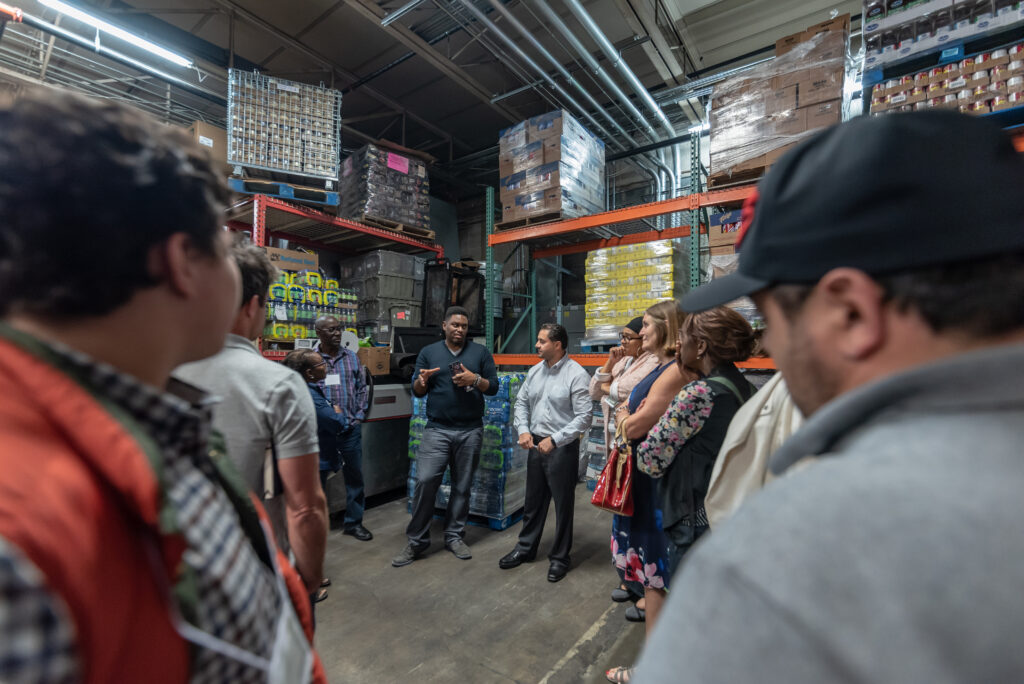
The project’s location at the nexus of Philadelphia’s innovation and logistics nodes—serving as a gateway to the Lower Schuylkill River economic zone—provides a unique competitive advantage. This ecosystem is already yielding results through the HiveBio Accelerator, which has achieved an 80% success rate in helping its first cohort of early-stage startups raise a collective $3.6M USD.
National Recognition and Milestones
The project’s significance has resonated at the highest levels of government:
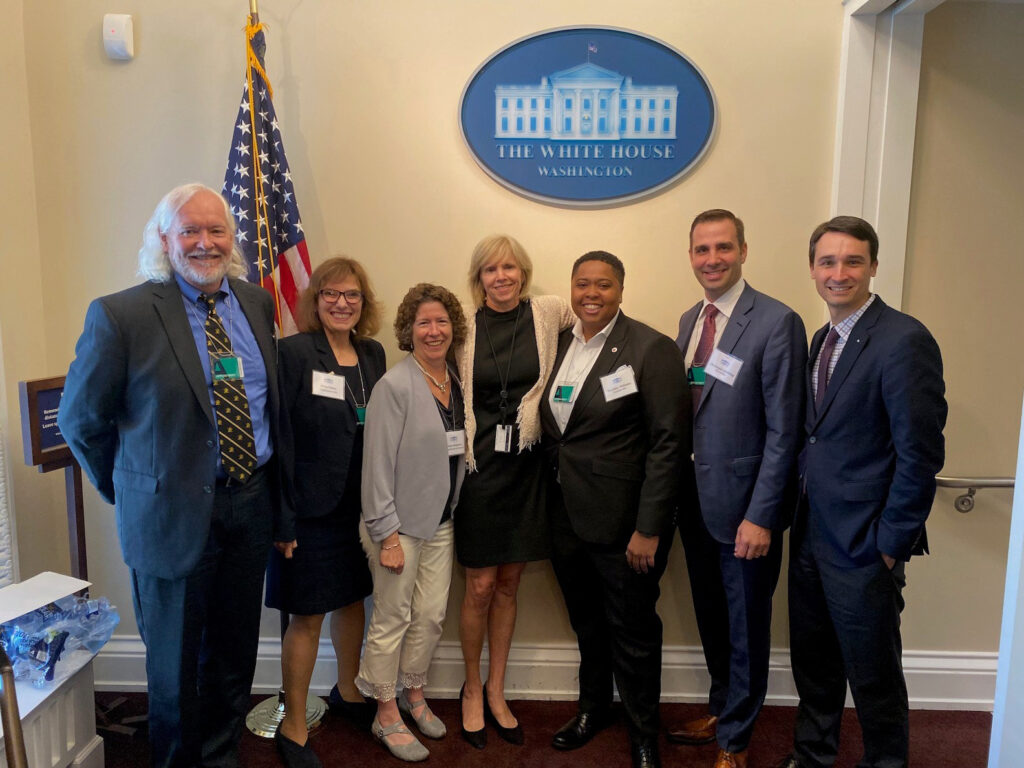
- Federal Impact: Lucas Pye BIO founder Dr. Tia Lyles-Williams—the first African American queer woman to own a biopharma manufacturing firm—was invited to the White House to join high-level discussions on shoring up domestic biomanufacturing.
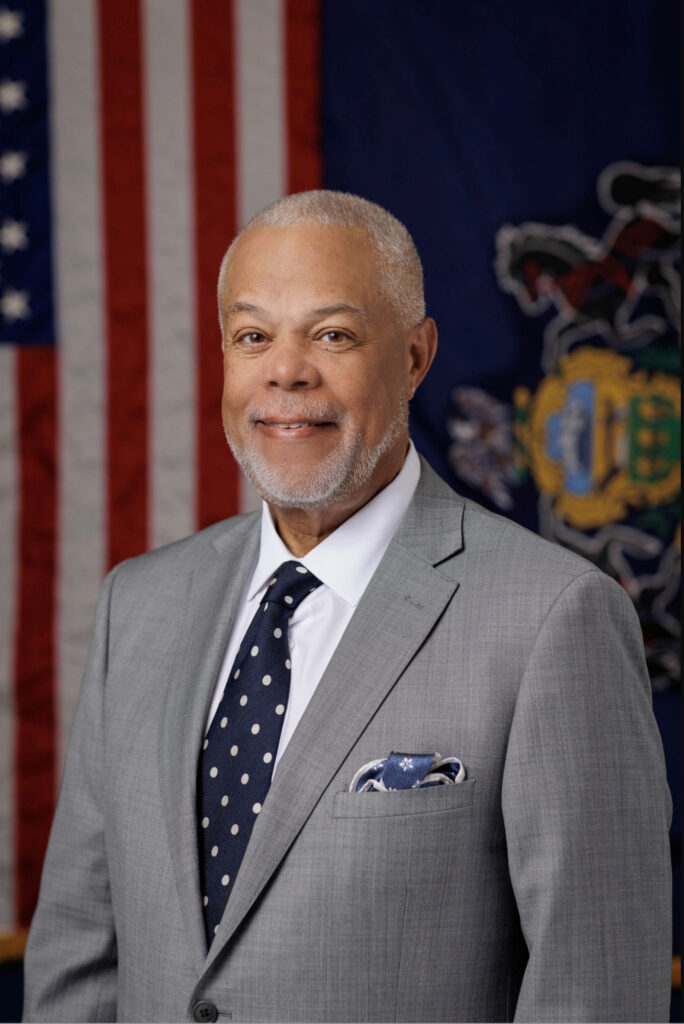
- State Funding: The project secured a $2.5M RACP Grant from the Commonwealth of Pennsylvania, supported by Governor Wolf, Senator Anthony Williams and PA House Speaker Joanna McClinton, signaling strong public-sector alignment with the project’s vision of social and economic equity.
- City Support: Councilwoman Jamie Gauthier reserving their 6-acre lot from Philadelphia Land Bank for the build-out of the SW Biotech Park Campus – including financial support from Philadelphia Industrial Development Corporation (PIDC) to execute Phase I and Phase IIA environmental testing operations.
By aligning advanced scientific innovation with intentional community empowerment, the SW Biotech Park stands as a pioneering example of how the biotech industry can drive not only medical breakthroughs but also lasting social change.
Introduction: A Vision for Philadelphia’s Future
SW BIO CARE, LLC represents a transformative shift in the landscape of commercial real estate and biotechnology. Founded in 2022, the organization is a strategic joint venture between two powerhouse entities: Urbane Development, a community wealth-building venture and certified MBE, and Goffman Bougard, Inc., a financial holdings company focused on STEM manufacturing and cultural revitalization.
Led by visionary founders Dr. Tia Lyles-Williams and James Johnson Piett, SW BIO CARE was established with a singular, dual-purpose mission: to build world-class biotech infrastructure while simultaneously generating wealth and resource capacity for historically underserved communities. Their flagship project, the SW Biotech Park, serves as the physical manifestation of this mission, aiming to turn a 6-acre lot at 61st and Lindbergh Blvd into a global hub for biomanufacturing and community equity.
Leadership and Foundations of Innovation
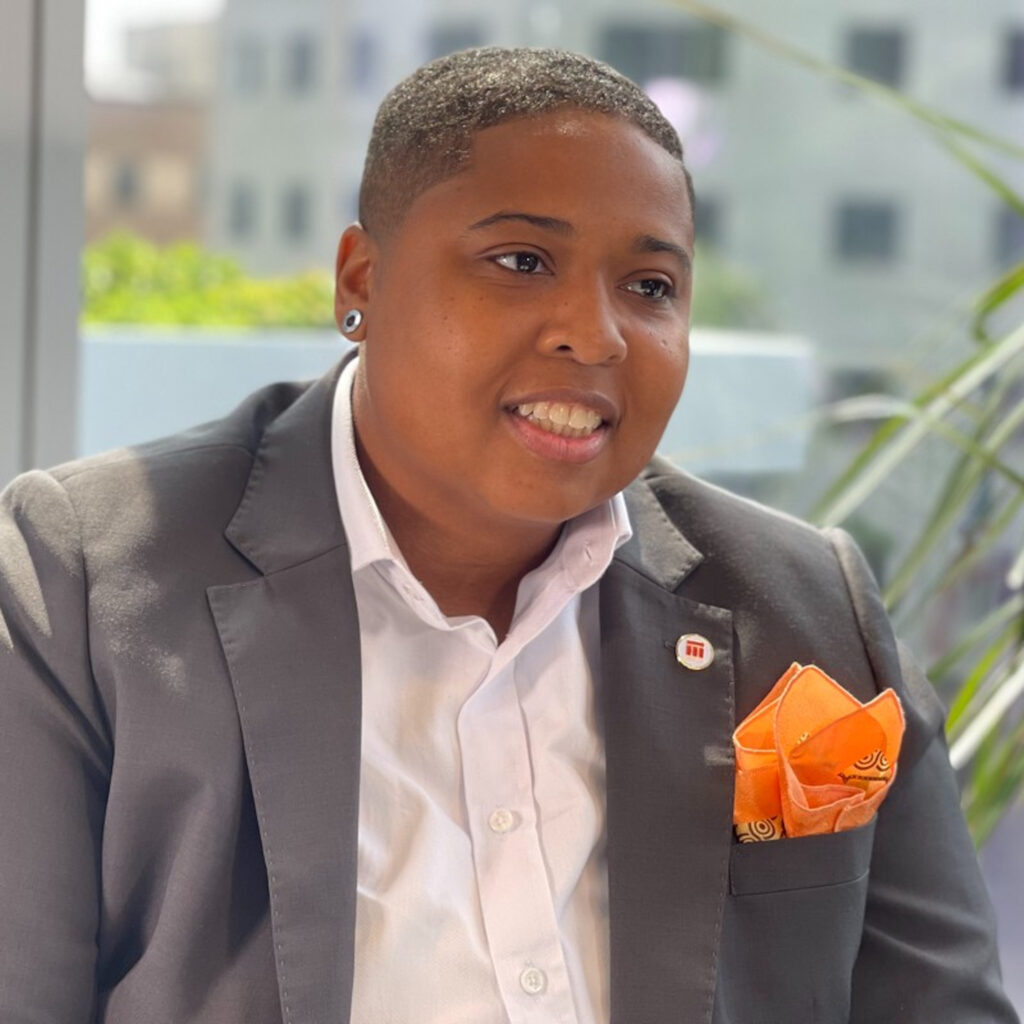
The organization’s strength is rooted in the unique expertise of its leadership. Dr. Tia Lyles-Williams, CEO of Goffman Bougard, Inc., is a pioneer in the biotech industry as the first African American queer woman to lead a biopharmaceutical manufacturing company. Her deep technical knowledge provides the scientific backbone for the organization’s specialized facilities. When asked about collaborating with Urbane, Dr. Tia said, “Urbane not only has commercial real estate development experience, but more importantly has experience in building ecosystems within underrepresented neighborhoods for underrepresented-owned small businesses [and] start-ups”.
Complementing this is the expertise of James Johnson Piett, Principal & CEO of Urbane. “My journey to commercial real estate development started here in Philadelphia back in the early 2000s as a program manager for the PA Fresh Food Financing Initiative,” said Piett. Piett’s career has focused on the intersection of real estate and place-based development in disinvested markets, leveraging over 15 years of experience in economic development. “When I started Urbane, I saw that blend of investment as a critical gap in the journey to asset building for the communities I cared about. So, I slowly built up a practice that would focus on developing real assets with business and economic development as the drivers for success within historically disinvested communities,” added Piett. Together, they have moved beyond traditional real estate models to create an “equitable ecosystem” that prioritizes the “voice” of the local community alongside the needs of the life science economy.
The SW Biotech Park: Infrastructure for Equity
The SW Biotech Park is designed as a mixed-use campus that integrates high-tech manufacturing with community-centric services. The planned facilities include approximately 80,000 square feet of manufacturing and R&D space. These facilities are intended to “shoreup” U.S. biomanufacturing operations, providing a “real world” training environment managed per FDA regulations.
Beyond the labs, the campus addresses the holistic needs of the neighborhood through:
- Workforce Development: The BioWorks program, owned by BlackLatin-X Indigenous Institutes of Health (BLIIH) in partnership with Urban Affairs Coalition (UAC), offers a curriculum where local residents will be trained in bioprocessing and quality control, specifically targeting those with only a high school diploma or GED to bridge the wealth gap.
- Diverse Housing: The site will include workforce housing, multi-family units and homeownership units, emphasizing long-term affordability and neighborhood stability.
- Sustainable Design: In collaboration with Fifteen Architecture + Design, the project incorporates sustainable practices such as mass timber, rainwater collection, and solar photovoltaics.
Driving the Bio-Innovation Ecosystem
SW BIO CARE does not just build buildings; it fosters an innovation economy. The Hive Bio Accelerator provides early stage-to-series A biotech startups with the resources needed to commercialize their products. By providing access to shared lab space and a robust investment network, the accelerator has already seen an 80% success rate in helping its first cohort raise funding. Dr. Tia stated, “We’ve had the challenge of raising funding in this downturn investment climate for life sciences and biotech”. Dr. Tia and her team were also tasked with proving there was a demand for SW Biotech Park. To date, the Hive Bio Pilot Cohort 1 has collectively raised $3.6M USD – including 50% of the cohort raising a minimum of $500K USD.
The campus also positions Philadelphia as a leader in the circular economy by advancing biomass and biomaterials commercialization. By upcycling materials like hemp, flax, and soybean byproducts into market-tested products, the project advances regional de-carbonization goals while providing inclusive pathways for underrepresented bio-founders.

Strategic Support and Legislative Advocacy
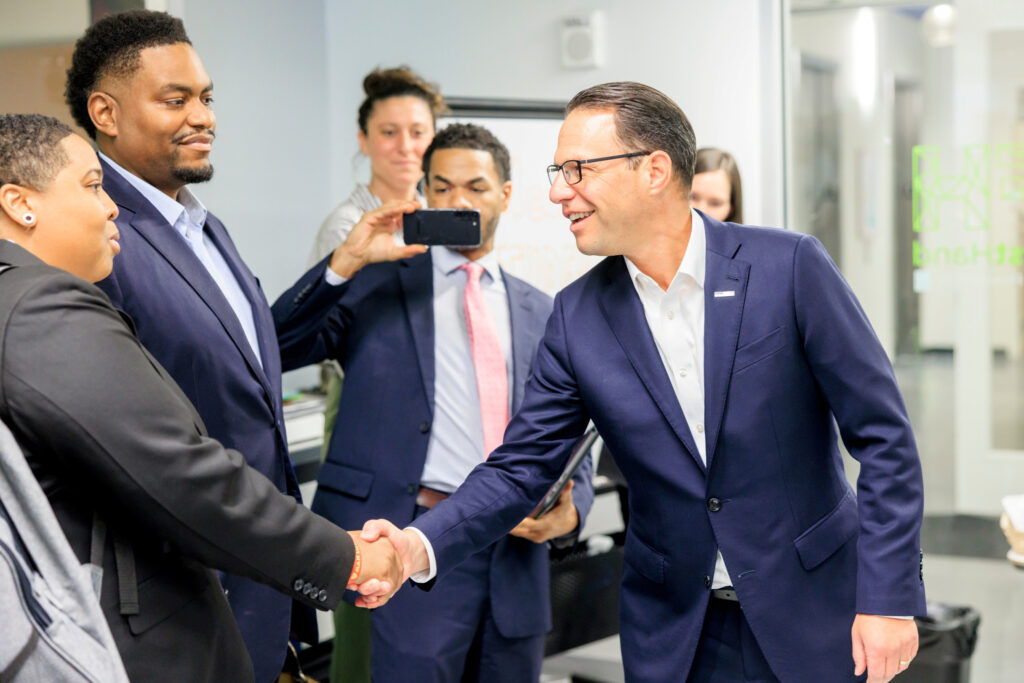
The development of the SW Biotech Park is underscored by a powerful alliance of local and state leaders committed to Philadelphia’s emergence as a biomanufacturing powerhouse. A cornerstone of this mission is the $2.5 million Redevelopment Assistance Capital Program (RACP) grant, secured through the dedicated advocacy of State Senator Anthony Williams and PA House Speaker Joanna McClinton. Their joint efforts have ensured the project remains a centerpiece of the Commonwealth’s economic agenda, directly linking state funding to local workforce empowerment. “Philadelphia is becoming one of the leading biomanufacturing hubs in the country. Today’s funding is a clear representation of that, and I look forward to all the jobs and opportunities the biotech industry will bring to our city in the future.” – PA House Speaker Joanna McClinton stated at the 2023 PA House Democratic Caucus.
This legislative support is complemented by critical partnerships with city agencies and executive leadership:
- Councilwoman Jamie Gauthier: As a champion for the district, Councilwoman Gauthier has been instrumental in aligning the project with city-wide housing initiatives. Her office provides vital oversight to ensure the park’s three tiers of housing—affordable, workforce, and first-time homeownership—meet the needs of Southwest Philadelphia residents.
- PIDC (Philadelphia Industrial Development Corporation): PIDC is a primary strategic partner, facilitating the project’s growth through its Environmental Impact Program. They have provided federal EPA grants for Phase I and Phase IIa environmental assessments, a necessary step in preparing the city-owned property for its transition to SW BIO CARE, LLC.
- Governor Josh Shapiro’s Team: The project aligns with Governor Shapiro’s statewide economic development strategy, which identifies biotechnology as a high-growth sector for Pennsylvania. His administration has focused on “moving at lightning speed” to support biomanufacturing infrastructure and apprenticeship programs, ensuring the Commonwealth remains a leader in domestic drug manufacturing and commercialization.
A Transformative Living Campus
As SW BIO CARE, LLC moves toward completion, its commitment remains clear: to prove that the biotechnology industry can be a powerful engine for both scientific advancement and social justice. By empowering underrepresented biotech leaders and creating career pathways for the surrounding community, the SW Biotech Park stands as a “sanctuary for innovation” and a “home” for the neighborhood. Dr. Tia stated that this visibility, “its’s what gets people interested in doing this type of work…and it builds the bio economy. It gives the next K-12 generation the chance to see someone who looks like them come in and do the work in the biotech field”.
The founders’ core advice remains the project’s guiding light: “Stick to your core and be loyal to your mission,” ensuring that this project remains a sustainable model for equitable development for years to come.