The most consequential economic development decisions a city makes are not about what gets built, but about the ecosystems those choices set in motion. When success isn’t defined by buildings alone, it is measured by whether developments create places where people can build skills, sustain meaningful careers, and put down roots in their communities. The real question, then, isn’t simply how to deliver projects or create jobs, but how to foster environments where both real estate and the workforce that animates it can endure, adapt, and grow together. Getting this right requires intention from the very beginning: investing in people, developing sustainably, and committing to outcomes that last beyond a single development cycle.
The Philadelphia Navy Yard offers a compelling example of what this level of intention produces. Once a closed military base, it has been transformed into a dynamic, mixed-use neighborhood where corporate offices, advanced manufacturing, life sciences, union labor, small businesses, and residential life complement one another—and where growth is guided by workforce readiness, placemaking, and sustainability. That outcome didn’t happen by chance. It was driven by a clear development vision – one that aligned public leadership, private capital, and workforce strategy around the shared goal of creating a place built for long-term performance.
What’s happening at the Navy Yard is redefining how economic development is taking shape across the Philadelphia region. Guided by a 20-year plan, the development has been deliberately disciplined, with decisions shaped by the needs of advanced industries and the creation of durable, high-quality employment. This is achieved by prioritizing infrastructure, flexibility, and sustainability, enabling buildings to evolve in tandem with changing technologies and talent demands. Rather than chasing short-term wins, the focus has been on creating a resilient district where companies can scale, workers can advance, community can thrive, and the real estate itself performs over decades.
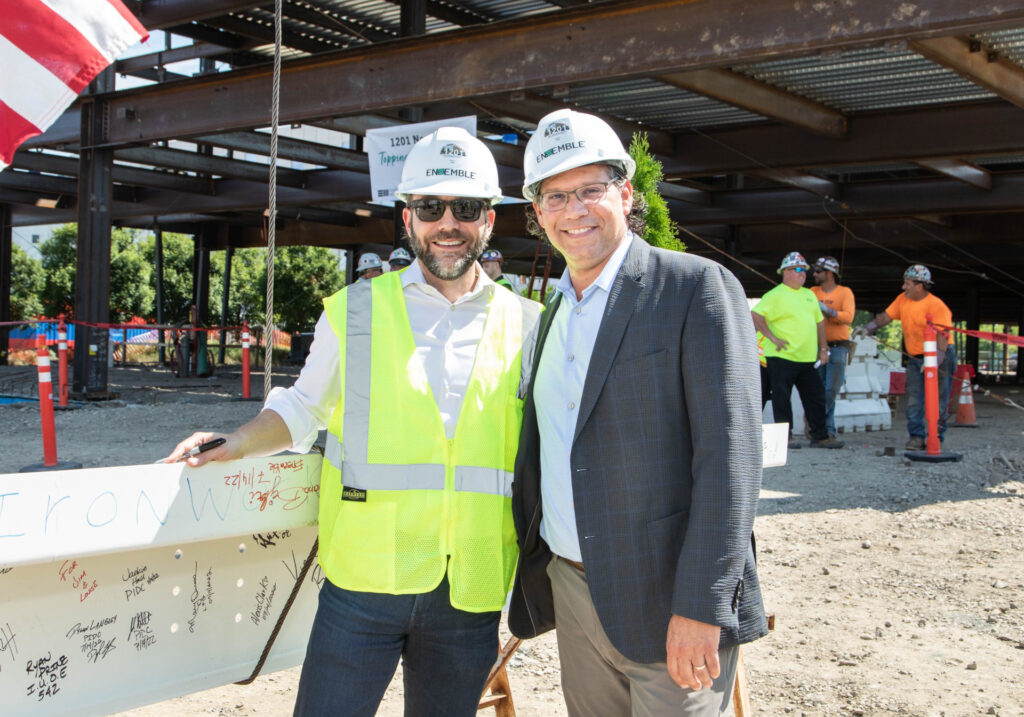
Through our work at the Navy Yard, we’ve seen firsthand how the strongest development outcomes occur when workforce development is embedded into the real estate strategy. Advanced manufacturing and R&D require more than modern buildings and shovel-ready sites. They depend on access to a workforce equipped with the right skills. Workforce development and training matter just as much as design quality, location, and capital investment. For this reason, we start from the premise that the future economy is built by investing in the people who make it possible.
Sustainability further strengthens the long-term performance of these people-centered development ecosystems. By creating energy-efficient buildings, resilient infrastructure, and walkable, mixed-use environments, we reduce operating costs, support talent attraction and retention, and enhance long-term asset value. Just as importantly, these decisions help secure the talent that today’s employers depend on, ensuring the jobs created today remain viable as industries continue to evolve.
For us, the Navy Yard represents both a long-term commitment and a set of lessons for cities and developers. Aligning public leadership, private capital, labor, and community around workforce-driven growth isn’t easy, but it delivers results. This is how we create real estate that performs, places that succeed, and an economy that reflects our shared values—while collaboratively shaping Philadelphia’s long-term future.