Across HBCU campuses, startup ideas move through dorm room conversations, classrooms, student organizations, and late-night brainstorming sessions long before they ever reach investors or boardrooms. Talent has never been in short supply. Access, however, often has been.
Long before Venture for T.H.E.M formally launched, CEO and Founder Kiante Bush kept noticing the same pattern around him. Alongside a leadership team that includes COO Clay Williams, CTO Jeffrey Scruggs, and CHRO Jewel Bush, he saw talented students and early-stage entrepreneurs with ambitious ideas, creative projects, and the drive to build, yet access to funding, mentorship, and influential networks remained difficult to reach. Strong ideas often stalled long before they had the opportunity to scale.
Instead of waiting for broader systems to change, the company began building new pathways itself. “We’ve seen too many brilliant students and early-stage entrepreneurs with great ideas but no access to funding, mentorship, or the right rooms,” he says. “Our company was built to change that.”
Startup programming, pitch competitions, and the Fund.FWD platform gradually evolved into a broader support network connecting HBCU founders, students, creators, and innovators with the funding, mentorship, and infrastructure needed to move businesses forward.
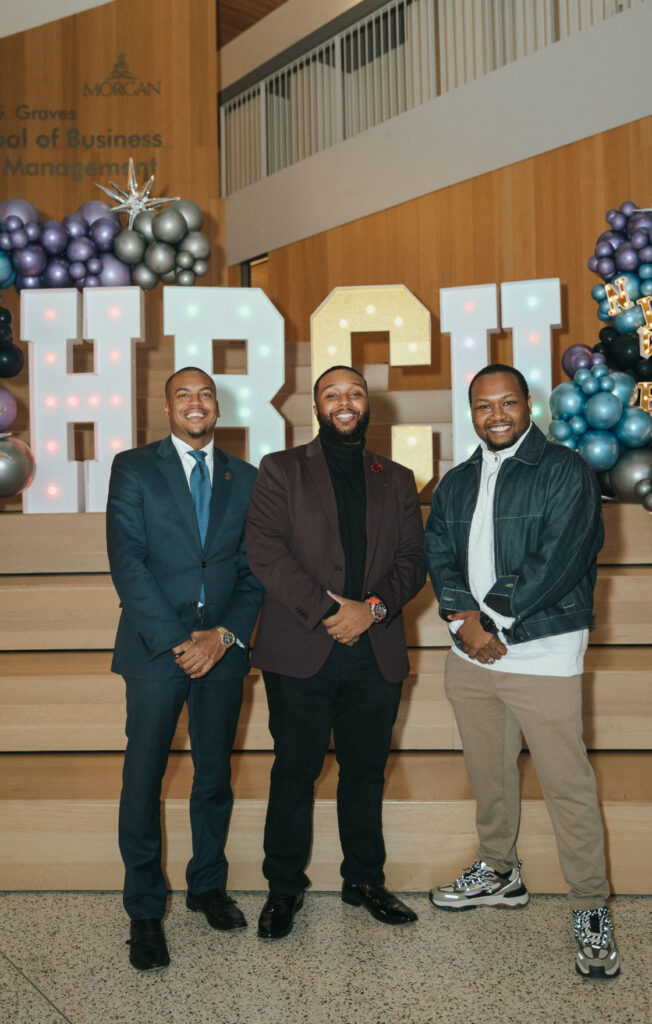
Turning Frustration Into Infrastructure
Support from the Hennessy Fellows Program through the Thurgood Marshall College Fund and LVMH helped launch the organization’s first accelerator cohort and provided its initial seed funding. Soon afterward, national attention followed. Features in Forbes and Black Enterprise, along with the Pharrell William’s Black Ambition Prize, elevated visibility around the work already taking place behind the scenes.
Far more important to the team was the larger problem still facing many early-stage founders. Long before national attention arrived, the team had already identified a deeper structural issue affecting entrepreneurs navigating the startup landscape. Opportunities existed, but they were scattered. One organization offered mentorship, and another focused on grants. Networking lived somewhere else entirely. Founders often spent more time searching for resources than building companies. Bridging those disconnected opportunities quickly became the focus.
“Talent has never been the issue,” he says. “Too often, the issue is proximity. Proximity to investors. Proximity to information. Proximity to people who can open doors.”
That thinking helped shape Fund.FWD, the organization’s mobile platform designed to help founders discover grants, pitch competitions, accelerators, and funding opportunities in one place. The shift marked an important evolution for the company, moving beyond event-based programming toward scalable infrastructure founders could use year-round.
“The tipping point came when we realized programming alone was not enough,” he says. “We needed tools founders could use every day, no matter where they are.”
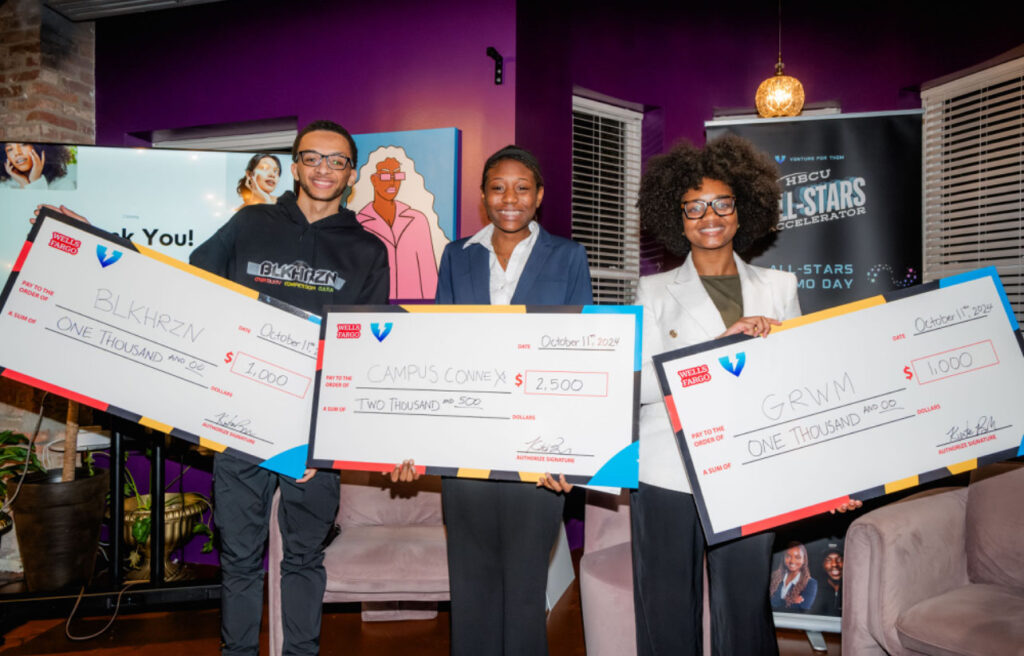
Building an Ecosystem Around HBCU Talent
Investment across technology, healthcare, cybersecurity, AI, and entrepreneurship continues to reshape Maryland’s innovation economy. Maryland’s combination of universities, federal proximity, corporate investment, and emerging startup activity created fertile ground for the company’s vision to grow. Baltimore soon became one of the clearest examples of those efforts in action.
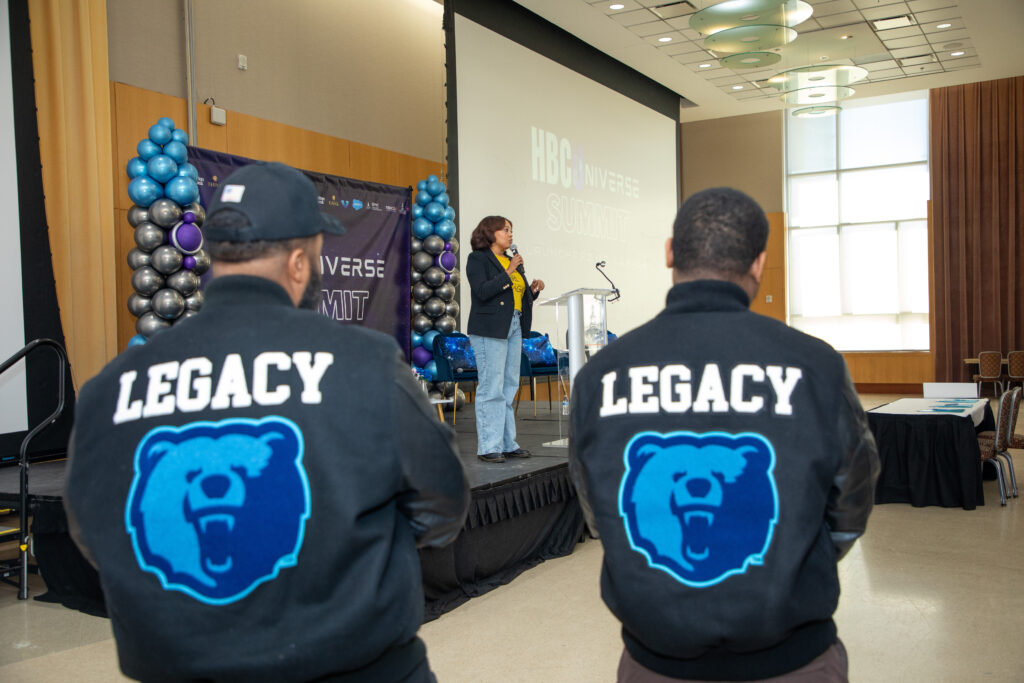
During the HBCUniverse Summit, students, founders, recruiters, investors, creatives, and corporate leaders move through the same rooms exchanging ideas, opportunities, and partnerships. Workshops lead to mentorship. Introductions turn into internships, collaborations, and funding conversations while positioning Baltimore and Morgan State University as active contributors within the broader innovation landscape.
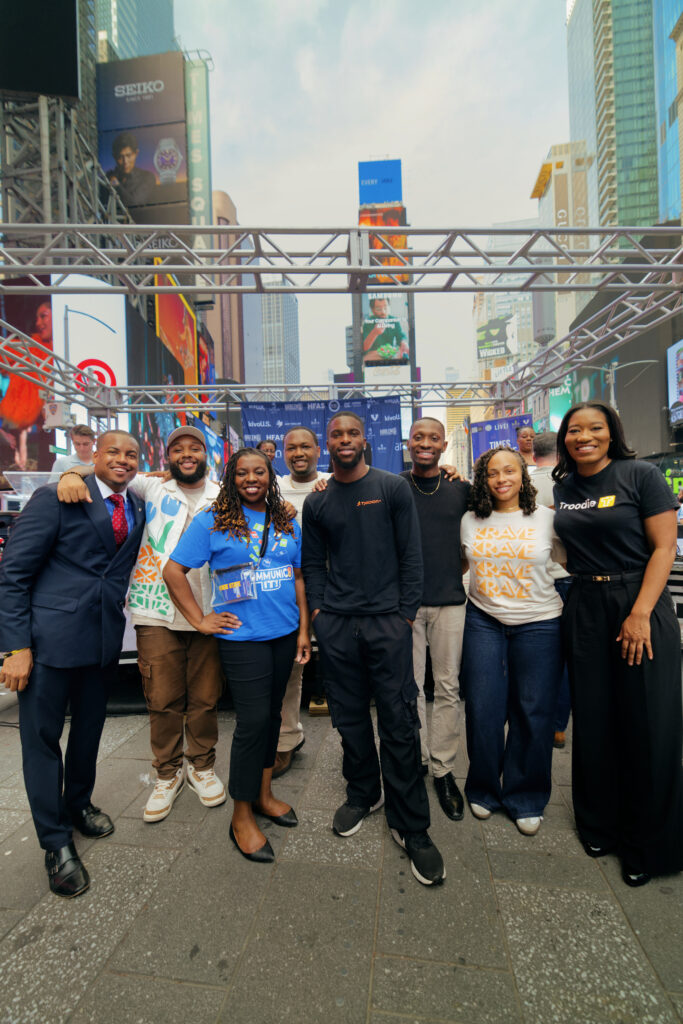
That commitment to creating visible opportunities recently reached one of the world’s most recognisable stages. Through a collaboration with Times Square Alliance and The DM Firm, Venture for T.H.E.M helped launch the first-ever HBCU Founder Pitch Competition in Times Square, bringing student and early-stage entrepreneurs directly into the national spotlight and creating new pathways for exposure, investment, and growth.
Long after the events end, those connections often continue developing into partnerships, mentorships, and new opportunities. “We create spaces where students, founders, corporations, investors, and community leaders can all connect in one ecosystem,” he says. “A lot of talented people simply need access to the right opportunities and relationships.”
Rather than limiting innovation to technology alone, the company approaches it through accessibility, ownership, and long-term economic opportunity. Coming from the HBCU ecosystem gave the team a firsthand understanding of the gaps founders encounter while trying to build businesses or secure professional opportunities. Both the company’s programming and product development continue reflecting that perspective.
“We are building from lived experience,” he says. “Instead of waiting for someone else to build solutions for our community, we decided to create them ourselves.”
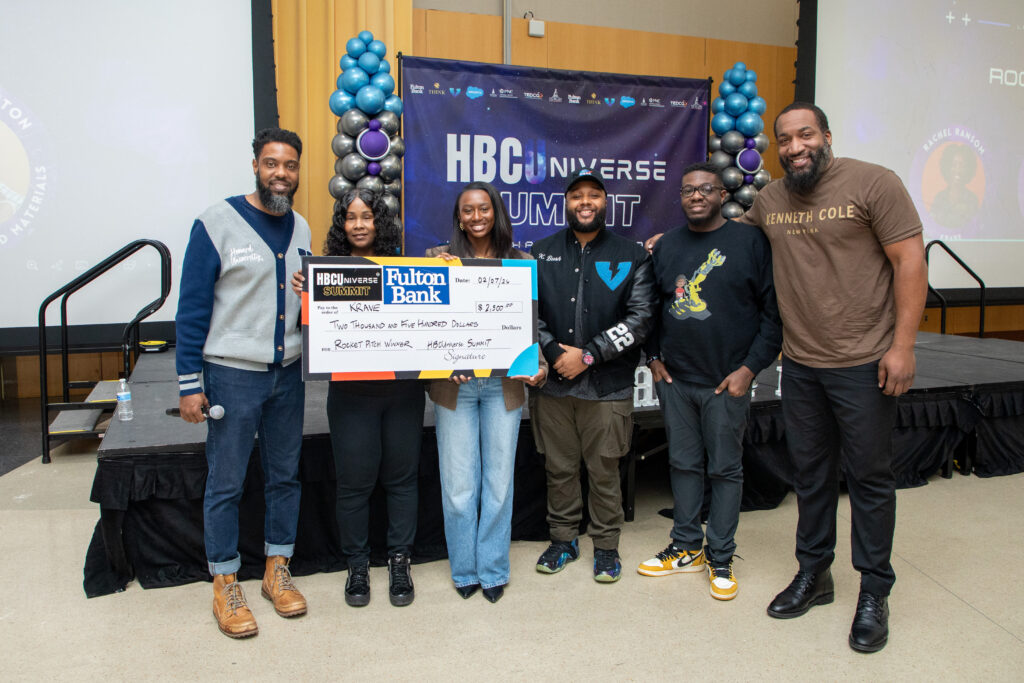
“Talent has never been the issue. Access has.”
Expanding Opportunity at Scale
Reaching far more founders now shapes the organization’s next phase of growth. Far larger ambitions now shape the company’s direction. Supporting a handful of founders no longer represents the goal. The company wants to help build pathways capable of reaching hundreds of HBCU entrepreneurs, innovators, and intrapreneurs through funding access, mentorship, hiring pipelines, partnerships, and educational resources.
Not every student entering the network plans to launch a startup. Some will eventually lead inside corporations, nonprofits, investment firms, or emerging industries. Expanding access across all those spaces remains part of the larger mission.
“What excites me most is the scale of impact we can create over time,” he says. “We want HBCU students to feel like they have direct access to rooms and opportunities that historically felt out of reach.”
Across Maryland’s innovation landscape, conversations around inclusion and access continue gaining urgency. Venture for T.H.E.M is helping turn those conversations into infrastructure, relationships, and tangible opportunity for the next generation of founders.
“At the end of the day, we are building more than a company,” Kiante says. “We are building access, opportunity, and long-term pathways for innovators who have historically been overlooked.”
For many young founders entering Maryland’s innovation economy, the distance between ambition and access is beginning to shrink.