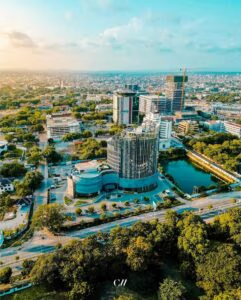

Philadelphia is universally recognized as the birthplace of American independence, the city where the Nation’s foundational documents were fiercely debated and boldly signed. Yet, intricately woven into the city’s DNA is another monumental birthright: it is the birthplace of the United States Navy. In the fall of 1775, a Continental Congress committee purchased and outfitted the very first merchant ships in Philadelphia to serve as frigates, forging the original American fleet.
Today, at the Nation’s first Navy Yard, that enduring legacy is kept alive by the Naval Surface Warfare Center, Philadelphia Division (NSWCPD). NSWCPD continues to support the region’s innovation ecosystem on a global scale, serving as a beacon of technological advancement for the Navy and the Nation.
NSWCPD’s origins date back to November 1910, driven by the relentless vision of Rear Adm. George Wallace Melville. A renowned engineer, Arctic explorer, and visionary leader, Melville strongly supported establishing rigorous testing stations to address complex engineering problems as the Navy underwent a major organizational shift—moving its fleet’s power source from coal to oil.
Melville, who spent his final years in Philadelphia and is buried there, understood that maintaining maritime dominance required constant adaptation. He fostered a culture of continuous inquiry, pushing the boundaries of naval engineering innovation. That pioneering spirit continues to underpin NSWCPD today, where respect for history intersects with the pressing needs of modern warfare.
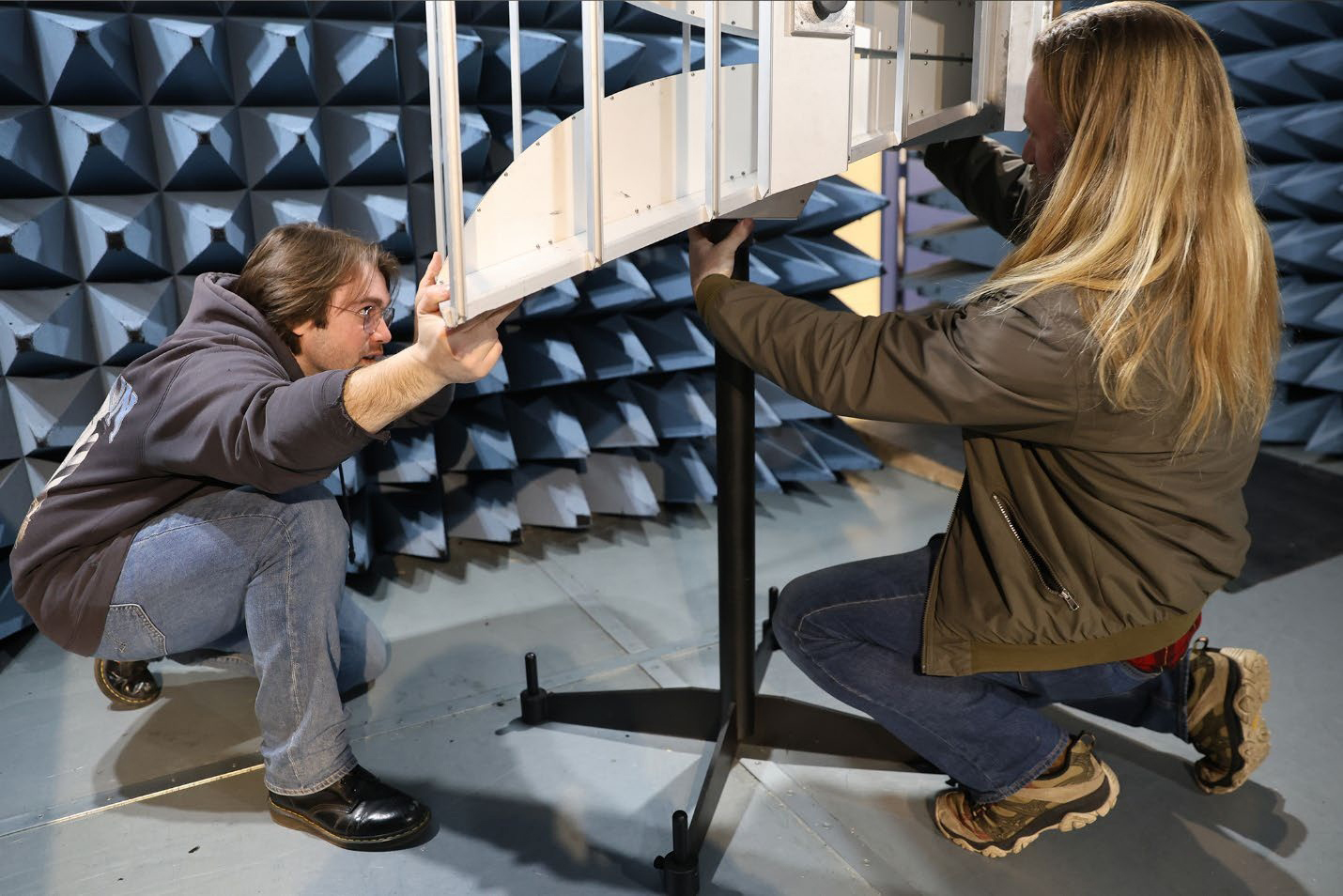
Today, NSWCPD continues this more than 115-year-old legacy by serving as the Navy’s technical experts for machinery research, development, test, and evaluation. NSWCPD’s innovations reflect the evolving nature of naval operations. Modern warships rely on integrated propulsion systems, sophisticated control networks, and advanced monitoring technologies to ensure reliability under demanding operational conditions.
NSWCPD continues to fulfill its mission of modernizing naval capabilities by consistently advancing and deploying improved systems and technologies across the fleet. In collaboration with industrial partners, NSWCPD’s efforts span a vast array of shipboard components—from fundamental elements like paint, coatings, and fasteners to complex machinery such as propulsion engines, electrical plants, and integrated control systems.
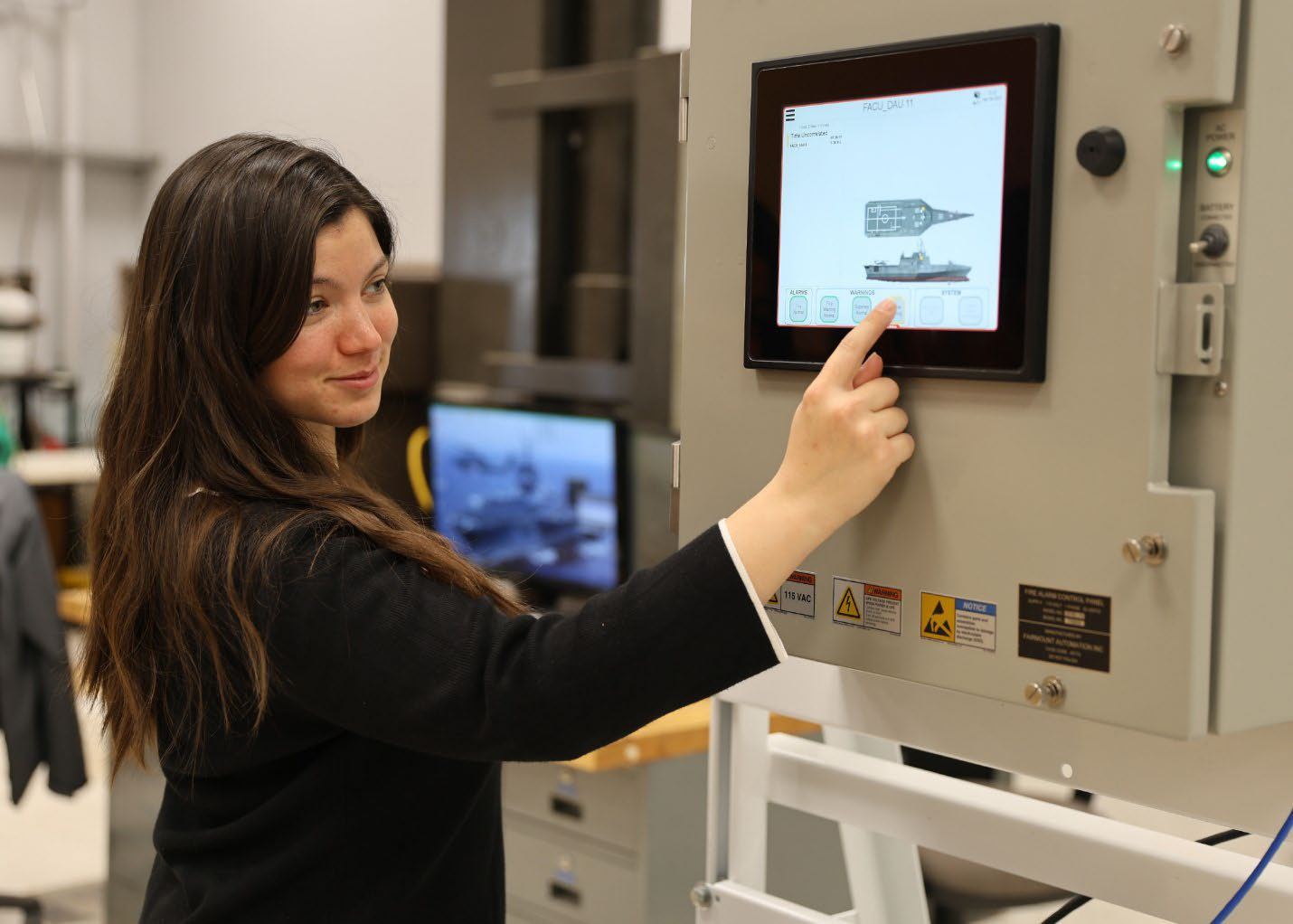
Key modernization initiatives are focused on several critical areas. Shipboard control and power systems have been comprehensively updated, while significant strides have been made in cybersecurity and data-driven maintenance to enhance fleet readiness and resilience. Life support and environmental systems have also seen major advancements, including the development of advanced carbon dioxide removal technology. Furthermore, the organization has been at the forefront of adopting cutting-edge solutions like additive manufacturing, which enables rapid, on-demand part fabrication in deployed environments.
Adapting to the relentless pace of technological change, NSWCPD engineers skillfully integrate emerging technologies for naval use, as seen in the fleet-wide transition to LED lighting, flat-panel displays, and digital controls. This commitment to innovation is deeply rooted in Adm. Melville’s original vision of a dedicated test station. Today, that vision thrives at the Philadelphia Navy Yard, where engineering development is seamlessly coupled with rigorous, full-scale testing of everything from individual machinery components to complete naval systems, ensuring the delivery of robust and reliable technology to the warfighter.

Beyond its crucial role in national defense, NSWCPD is also a key economic driver and collaborative partner in the Delaware Valley. With over $1 billion in annual contract awards, the division has earned recognition from the Department of Commerce as one of the main organizations shaping Philadelphia’s economic future.
NSWCPD is not only a Navy warfare center, but it is also a defense Science & Technology Reinvention Laboratory (STRL), serving as a central hub for collaboration among academia, industry, and government. Through broad partnerships, technology exchanges, and local workforce development, the command actively supports the development of the next generation of STEM talent. They give local businesses—from innovative startups to established manufacturers—the chance to design, maintain, and modernize the Navy’s future fleet. By breaking down traditional barriers between the military and the private sector, NSWCPD ensures that the region’s brightest minds collaborate on the toughest problems.
Looking ahead, NSWCPD’s role within Philadelphia’s innovation ecosystem is poised to expand. Emerging technologies like advanced propulsion, digital engineering tools, autonomous systems, and predictive analytics are revolutionizing naval system design and maintenance.
Addressing these challenges will require closer collaboration among government labs, universities, and industry. Philadelphia’s concentration of research institutions, startups, and tech firms creates an ideal environment for this interdisciplinary innovation to become a critical part of the maritime industrial base.
As the U.S. celebrates its 250th anniversary, Philadelphia finds itself once again at the forefront of American ingenuity. Through the work of the Naval Surface Warfare Center, Philadelphia Division, the city continues contributing to national defense while solidifying its position as a leader in engineering innovation. From the early days of naval engineering to the digital advancements shaping the fleet’s future, NSWCPD remains rooted in a proud tradition of innovation in Philadelphia, committed to tackling some of the Nation’s most complex engineering challenges.