An R1 research institution, Vanderbilt University is known for pathbreaking research, advancing discoveries and fueling breakthroughs across multiple disciplines. With more than $1 billion in annual research expenditures, Vanderbilt fosters cross-disciplinary collaboration with global impact.
But Vanderbilt isn’t just a research university, it’s a powerful economic engine that turns ideas into real-world impact. From cutting-edge research to entrepreneurship, Vanderbilt works alongside public, private, civic and educational partners to unlock the region’s potential and accelerate progress.
Innovation Ecosystem
Vanderbilt joined Nashville Mayor Freddie O’Connell in 2024 to launch the Nashville Innovation Alliance, a coalition that unites key sectors to strengthen the city’s innovation ecosystem. The alliance is charged with creating a citywide strategy for intentional growth, deploying solutions to urban challenges and establishing Nashville as one of America’s foremost centers of innovation.
A Dedicated Space for Innovation
Central to every thriving innovation economy is an innovation hub—a space where research, collaboration and entrepreneurship intersect. To accelerate Nashville’s innovation trajectory, Vanderbilt is reimagining 40 acres on the western edge of campus as a mixed-use neighborhood dedicated to collaborative innovation.
This future-facing development will translate university research into growing businesses, foster partnerships across sectors and broaden opportunities for students, alumni and faculty. The vision is a dynamic neighborhood that brings together corporate R&D, incubators and accelerators, startups and community partners—integrated with greenspace, housing, offices and retail to create a vibrant, interconnected environment.
The creation of this innovation neighborhood marks a pivotal step in Vanderbilt’s commitment to advancing Nashville’s economic future—establishing a foundation for discovery, collaboration and impact for generations to come.
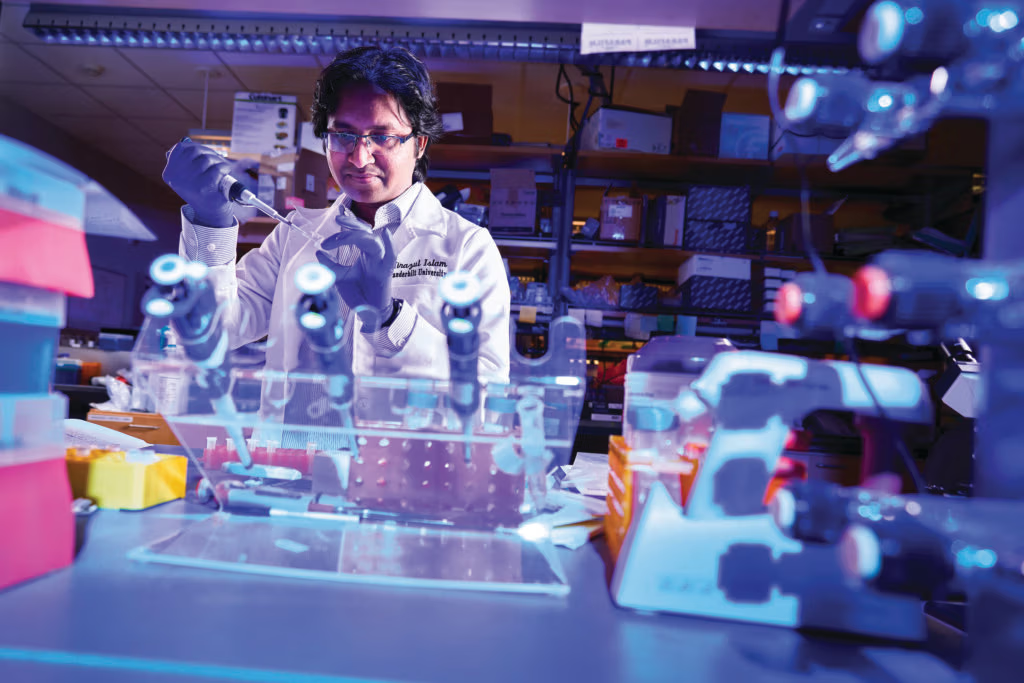
What follows is a snapshot of how Vanderbilt is driving innovation and pushing the boundaries of what’s possible. From groundbreaking medical research to transformative educational strategies, and everything in between, Vanderbilt is making a difference across campus and around the world. Each breakthrough demonstrates Vanderbilt’s commitment to turning bold ideas into real-world solutions.
vanderbilt.edu/chancellor/innovation
Discovery Vanderbilt
In 2022, Vanderbilt University launched Discovery Vanderbilt to embolden faculty, students and staff to pursue innovative ideas through disciplined, rigorous inquiry. Led by Provost C. Cybele Raver, Discovery Vanderbilt investments have advanced knowledge and innovation in areas such as artificial intelligence, drug discovery, health equity and more. Discovery Vanderbilt has supported the creation of centers and institutes of research and innovation, improved buildings, labs and infrastructure, recruited exceptional faculty, informed lawmakers and launched startup businesses.
vanderbilt.edu/provost/discovery-vanderbilt
Some Discovery Vanderbiltinitiatives include:
Vanderbilt Center for Addiction Research: Leading the Fight Against Addiction
The Vanderbilt Center for Addiction Research (VCAR) unites researchers across disciplines to understand the brain mechanisms that drive addiction, with the goal of developing better treatments and prevention strategies.
- Understanding how addiction hijacks the brain: Researchers study how substances like opioids and nicotine alter reward and decision-making pathways.
- Targeting recovery at the molecular level: Discoveries in VCAR laboratories are paving the way for medications that can reduce cravings and prevent relapse.
http://vanderbilt.edu/addiction
Center for Artificial Intelligence in Protein Dynamics: Unlocking Drug Discovery with AI-Powered Biology
The Center for Artificial Intelligence in Protein Dynamics (CAIPD) merges machine learning with molecular science to address one of the hardest problems in drug discovery: understanding how shape-shifting proteins move and change.
- Going beyond static protein snapshots: CAIPD researchers develop new tools to model proteins as dynamic systems, not fixed shapes—an essential step to target diseases like cancer and Alzheimer’s.
- Improving AI for science: Vanderbilt scientists refine how AI models interpret biology, thus improving accuracy in vaccine design, therapeutic development and other applications.
vanderbilt.edu/ai-proteindynamics
Center for Computational Systems Biology: Decoding Biology Through Big Data
The Center for Computational Systems Biology (CCSB) employs powerful computational models to study complex systems—such as the microbiome, the immune system and the growth of cancer—at an unprecedented scale.
- Modeling disease as networks: CCSB scientists use algorithms to understand how disease-related genes and pathways interact, identifying new treatment targets.
- Gaining personalized insights from data: The tools of CCSB researchers help decode how an individual’s unique biology may influence treatment responses and disease risk.
vanderbilt.edu/computational-biology
Vanderbilt Center for Sustainability, Energy and Climate
The Vanderbilt Center for Sustainability, Energy and Climate (VSEC) advances research on multidisciplinary and interconnected complex systems while fostering educational opportunities and entrepreneurship. At its core, VSEC works to establish effective policies around sustainability, energy and climate through partnerships with communities, government agencies, industry, national laboratories and other leading research institutions.
As a global hub, the center leverages Vanderbilt’s world-class expertise in engineering, science, law, policy and education to explore and innovate in areas such as:
- Energy integration
- Resource sustainability
- Climate change mitigation and adaptation
- Systems risk, reliability and resilience
One example of VSEC’s ongoing work applies a systems perspective to complex networks, including energy systems, viewing them as interconnected infrastructure rather than stand-alone assets. This approach captures how generation, transmission, distribution and lifelines interact under stresses like wildfires, sea level rise and hurricanes. By modeling these interdependencies, VSEC demonstrates how failures can cascade across the grid and reduce capacity precisely when demand peaks.
This framework identifies strategies that strengthen resilience—such as hardening critical nodes, improving redundancy and coordinating recovery—to ensure that energy systems continue to support communities during and after extreme events.
Warren Center for Neuroscience Drug Discovery: Changing the Future of Brain Health
The Warren Center for Neuroscience Drug Discovery (WCNDD) is a clinical-stage biotech enterprise embedded within Vanderbilt that pioneers new approaches to develop treatments for neurological diseases. Through partnerships with biotech and pharmaceutical companies, WCNDD enhances Vanderbilt’s research capabilities and accelerates the journey from scientific discovery to patient impact.
WCNDD pushes the boundaries of neuroscience by uniting the innovation of academic research with the precision and discipline of biotechnology, charting a seamless path from discovery to clinical therapies for brain disorders such as Alzheimer’s disease, Parkinson’s disease and schizophrenia.
Vanderbilt Enterprises
Vanderbilt Enterprises is a strategic initiative designed to advance ventures that generate sustainable new revenue streams and support the university’s priorities. Built on Vanderbilt’s strengths and culture of collaboration, Vanderbilt Enterprises enhances the university’s impact while supporting its academic mission.
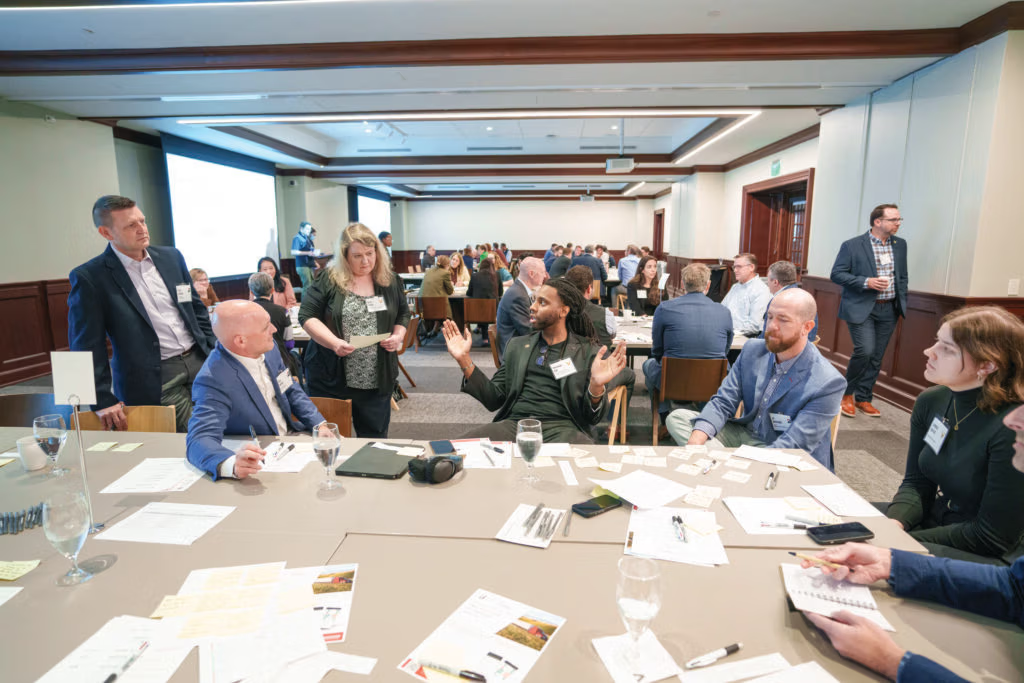
Vanderbilt Enterprises explores innovative approaches that reflect Vanderbilt’s bold ambition to be the great university of the 21st century and supports key priorities such as Vanderbilt Athletics by adapting best practices from leading organizations for the university setting—including those from the professional sports and hospitality industries.
Vanderbilt Enterprises’ growth over time will include new areas and partnerships that unlock the potential of the university’s talent and resources in ways that support academic excellence and position Vanderbilt for long-term growth.
http://news.vanderbilt.edu/2025/05/22/vanderbilt-enterprises
Vanderbilt Center for Entrepreneurship
Entrepreneurship is not just a buzzword at Vanderbilt. It is a defining feature of the university’s identity. The Vanderbilt Center for Entrepreneurship, housed at the Owen Graduate School of Management, is a university-wide resource that supports Vanderbilt entrepreneurs and founders at every stage through initiatives like Vanderbilt Venture Scout program, advisor and mentor network, Founders Confidential, the Entrepreneurship Through Acquisition program and the Convoy Conference. The vision is clear: to build one of the strongest, most dynamic entrepreneurial ecosystems in higher education by engaging students, investors, seasoned entrepreneurs and dynamic alumni.
Did you know?
Venture-backed startups founded by Vanderbilt alumni are twice as likely as the national average to reach unicorn status (indicating a privately held startup company with a valuation of over $1 billion), according to an analysis by Ilya Strebulaev of the Stanford Graduate School of Business Venture Capital Initiative.
Vanderbilt Center for Technology Transfer and Commercialization
Vanderbilt’s Center for Technology Transfer and Commercialization (CTTC) translates world-class research into real-world solutions by connecting Vanderbilt’s research enterprise with the marketplace. CTTC is organized around three integrated teams—Licensing, New Ventures and Industry Collaborations—that work together to move discoveries from the lab into use.
Through its Licensing team, CTTC identifies promising discoveries, protects the underlying intellectual property and licenses technologies to established companies and startups positioned to develop and commercialize them. This work ensures that innovations emerging from Vanderbilt’s laboratories and clinics—spanning medicine, engineering, data science and beyond—reach the people and industries that can benefit most.
CTTC’s New Ventures team focuses on launching and supporting startups built on Vanderbilt technologies. Partnering with entrepreneurs and investors, CTTC helps founders refine business models, connect with capital and navigate early market entry. These efforts fuel Nashville’s growing innovation economy by commercializing cutting-edge science, creating high-skill jobs and attracting investment to the region.
Complementing these activities, CTTC’s Industry Collaborations team forges strategic partnerships with companies through sponsored research, licensing-adjacent collaborations and other forms of research-focused engagement. These relationships strengthen ties between academia and the private sector, accelerate the translation of research into practice and help shape a thriving regional innovation ecosystem.
Together, these efforts extend Vanderbilt’s impact well beyond campus—driving the development of new therapies, advanced materials and smarter technologies while building a connected network of innovators focused on improving lives and amplifying Nashville’s reputation as a destination for technology-driven growth.
Advanced Computing Center for Research and Education: Vanderbilt’s Largest Shared Research Computing Environment
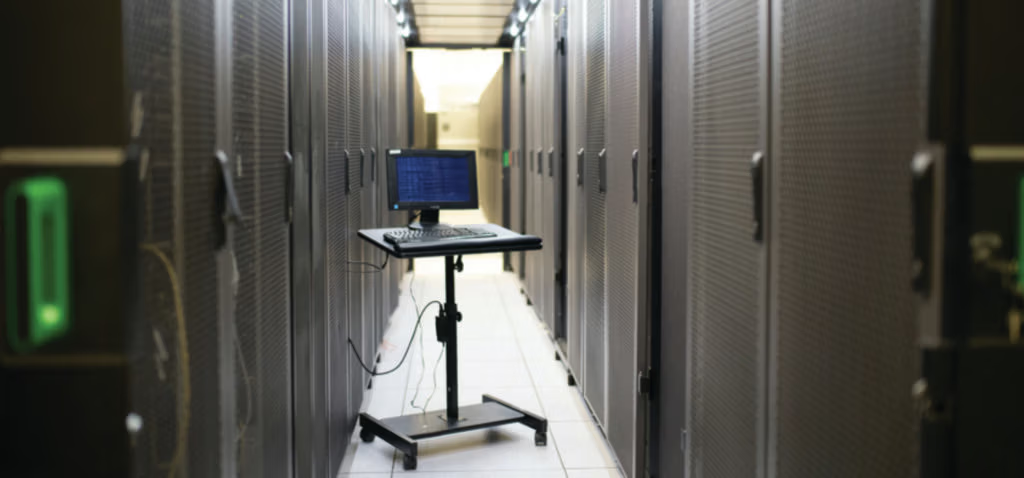
The Advanced Computing Center for Research and Education (ACCRE) is Vanderbilt’s largest shared research computing environment and the second largest in Tennessee, after Oak Ridge National Laboratory. Built and operated by Vanderbilt staff and faculty, ACCRE’s mission is to enable Vanderbilt researchers to explore and benefit from the “new world” of computing—addressing questions of great societal importance that would otherwise be out of reach.
A Campuswide Engine for Discovery
ACCRE supports faculty, staff, students and research teams from across the university—spanning engineering, genomics, medicine, humanities, arts and beyond. Its shared, faculty-driven model fosters interdisciplinary collaboration and enables research computing at a scale unmatched elsewhere on campus.
Empowering Vanderbilt’s Research Future
ACCRE’s shared infrastructure reduces costs, accelerates discovery and strengthens Vanderbilt’s competitive edge for high-impact grants and interdisciplinary research. True to its education and outreach mission, ACCRE offers workshops and training open to all campus members, lowering barriers to entry for research computing.
College of Connected Computing
The Vanderbilt College of Connected Computing, the university’s first new college in more than 40 years, specializes in cutting-edge areas like artificial intelligence, cybersecurity, cyber-physical systems/Internet of Things, robotics and data science. This highly interdisciplinary college takes a “computing for all” approach to improving lives through the power of digital technology.
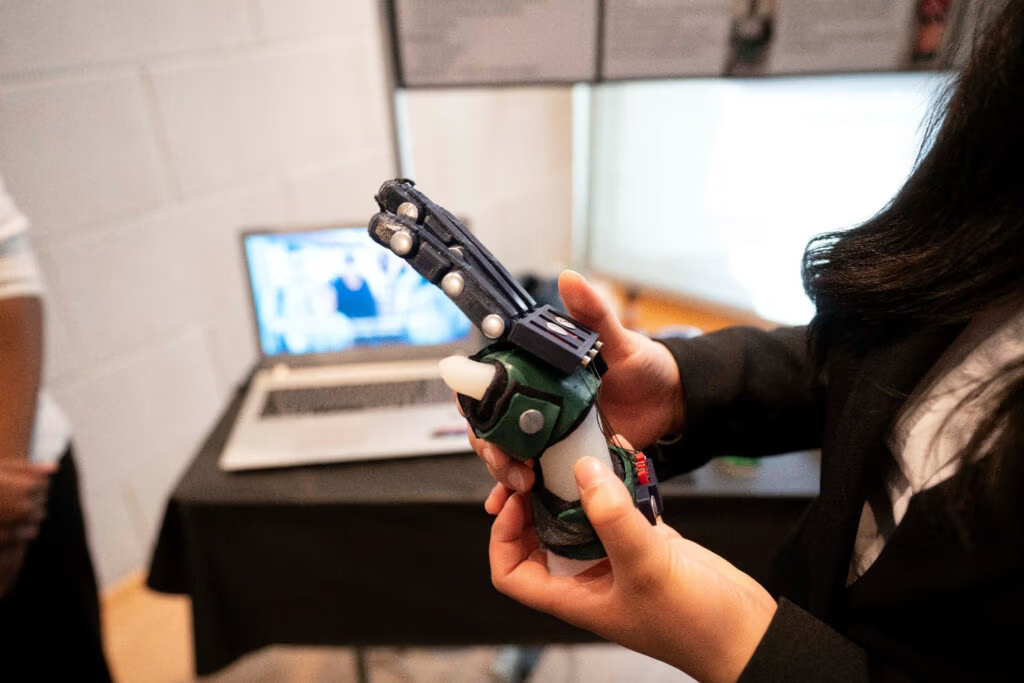
This approach fosters the integration of new computing applications across Vanderbilt’s diverse academic landscape, including law, business and the fine arts. It connects computing to all disciplines across Vanderbilt by bringing the power of digital innovation to every field of study.
“The future doesn’t belong to those who code. It belongs to thosewho connect computing to every human endeavor.” — Matthew Johnson-Roberson, Dean, Vanderbilt College of Connected Computing
Vanderbilt Data Science Institute
The Vanderbilt Data Science Institute (DSI) enables data-driven innovation across sectors to connect academia and industry.
Bridge Between Academia and Industry
DSI partners with industry, startups, nonprofits and researchers across all disciplines and provides consultations, training and collaborative project support. Whether an established company or an emerging startup, partners gain access to advanced data science capabilities that can be integrated into their work.
Open Access to Innovation
Through weekly “AI Fridays” and regular community events, DSI creates an open ecosystem where Nashville’s tech community—from students and researchers to entrepreneurs and industry professionals—can collaborate, solve problems and launch new ventures.
Talent Development
DSI programs do more than educate students; they prepare Nashville’s next generation of data scientists and AI experts who are ready to contribute to the city’s growing technology sector from day one.
Programs and Initiatives
- Nashville’s weekly data science hub
Each week DSI opens its doors to Nashville’s innovation community for a full day of collaboration and learning.
– Drop-in consultations: Expert feedback and technical support on data science projects, from research challenges to startup ideas and organizational AI applications.
– AI Deep Dives: Collaborative problem-solving sessions where researchers, entrepreneurs, students and industry professionals brainstorm solutions and forge partnerships. Many research collaborations, startup ventures and innovative projects trace their origins to these sessions. - AI Showcases: Celebrating Nashville’s AI innovation
Exhibition-style showcases that highlight Nashville’s AI talent through:
– Interactive demonstrations of cutting-edge AI applications
– Prize competitions for innovative projects
– Networking opportunities connecting students, researchers and industry leaders
– Recent projects ranging from accessible sign-language learning platforms to breakthrough neuroimaging technologies and AI-powered healthcare solutions—developed in Nashville and powered by Vanderbilt - AI Days: Nashville’s annual AI conference
This two-day conference convenes AI leaders in research, education and industry for workshops, presentations and hands-on learning. Participants arrive with challenges and leave with actionable solutions, partnerships and collaborations that strengthen Nashville’s position as an AI innovation hub. - AI Summer: Advancing Nashville’s AI capabilities
An intensive four-week remote training program, AI Summer equips researchers, educators and industry professionals with the latest AI techniques—ranging from autonomous agents and reasoning systems to production-ready applications and real-world development projects. All materials are freely available to the community, which ensures broad access to advanced AI education and helps Nashville organizations stay competitive at the technological frontier. - AI Factory
In partnership with the College of Connected Computing, DSI works with business partners to explore and implement cutting-edge AI technologies by providing consultations, deep technical expertise and a vital hiring pipeline of trained AI professionals. - Master’s in Data Science: Building Nashville’s tech talent
This full-time, in-person program provides intensive training across core data science skills, along with a required capstone project. Graduates benefit from strong career outcomes and competitive starting salaries.
Partner with DSI
DSI actively seeks partnerships with Nashville-area companies, startups and organizations that want to leverage AI and data science. Whether the need is for consultation, workforce training or collaborative research, DSI is a key partner in Nashville’s innovation ecosystem.
Amplify Generative AI
Launched in early 2024, AmplifyGenerative AI made Vanderbilt one of the first universities in the United States to roll out a comprehensive generative AI program for its entire community. Amplify, a cloud-based, open-source platform, provides Vanderbilt faculty, students and staff with secure, flexible access to advanced generative AI tools tailored to academic use.
The platform’s success has attracted national attention. Amplify is now being piloted or deployed at more than 60 other institutions that are seeking to emulate Vanderbilt’s approach. This inter-institutional expansion elevates Vanderbilt’s profile as an ed-tech leader and creates a collaborative network for continual improvement of the tool.
Amplify Generative AI Innovation Center
Vanderbilt’s Amplify Generative AI Innovation Center is advancing the frontier of artificial intelligence by tackling one of technology’s most crucial challenges: building AI systems that are not only powerful, but also trustworthy and safe.
Its research spans the full spectrum of agentic AI systems (which function autonomously)—from foundational security mechanisms that protect against injection attacks (which send malicious code into a system) and manipulation attacks (which alter or fabricate data) to practical applications that transform how industries operate.
The team is pioneering safeguards that enable AI agents to operate autonomously while remaining secure and aligned with human intent; developing intelligent systems that orchestrate complex multi-agent workflows for tasks such as cybersecurity investigations; and exploring how AI can revolutionize fields from real estate education to full-stack software engineering (encompassing front end and back end development).
By bridging the gap between cutting-edge research and real-world application, the center is building the infrastructure that will make AI reliable, accessible and transformative for businesses and communities alike.
Enterprise AI and Computing Innovation Studio
In 2025, Vanderbilt established the Enterprise AI and Computing Innovation Studio, a groundbreaking collaboration among Vanderbilt IT, the Amplify Generative AI Innovation Center and the Data Science Institute. The studio prototypes and pilots AI-driven innovations that enhance how the Vanderbilt community learns, teaches, works and connects.
Extending Knowledge and Skills via Coursera
Vanderbilt’s partnership with Coursera has brought its AI courses to a global audience of more than 1 million enrollments from over 100 countries, reflecting Vanderbilt’s emergence as a global thought leader in AI education.
Importantly, Vanderbilt’s content is being adopted at scale by industry. More than 1,000 companies—including Apple, Google, Walmart, Microsoft and Oracle—have enrolled employees in Vanderbilt’s generative AI courses as part of their workforce training programs. This widespread uptake underscores the quality and real-world relevance of Vanderbilt’s curriculum.
LIVE Learning Innovation Incubator
The LIVE Learning Innovation Incubator, a joint initiative of Vanderbilt’s Peabody College of education and human development and College of Connected Computing, brings together interdisciplinary teams of researchers and strategic partners to design, study and scale transformative learning technologies. LIVE’s mission is to integrate advanced computational methods and AI with innovative models of teaching and learning to create tools at the forefront of the science and design of learning.
LIVE’s projects span a wide range of learners and contexts—from an AI-powered app that supports parents in dialogic questioning to deepen children’s reading comprehension, to a simulation environment that uses a conversational agent to train 911 emergency responders. LIVE works with local schools, nonprofits, industry collaborators and Nashville’s entrepreneurial network to develop and implement innovative learning in authentic settings.
This work includes advancing AI literacy through hands-on experiences that help students, teachers and community members critically engage with how AI works and what it can (and cannot) do. As part of this effort, LIVE developed the Peabody Hub for Mindful AI Innovation, an interactive gallery for student-made AI applications and projects that helps learners integrate technological understanding with societal implications.
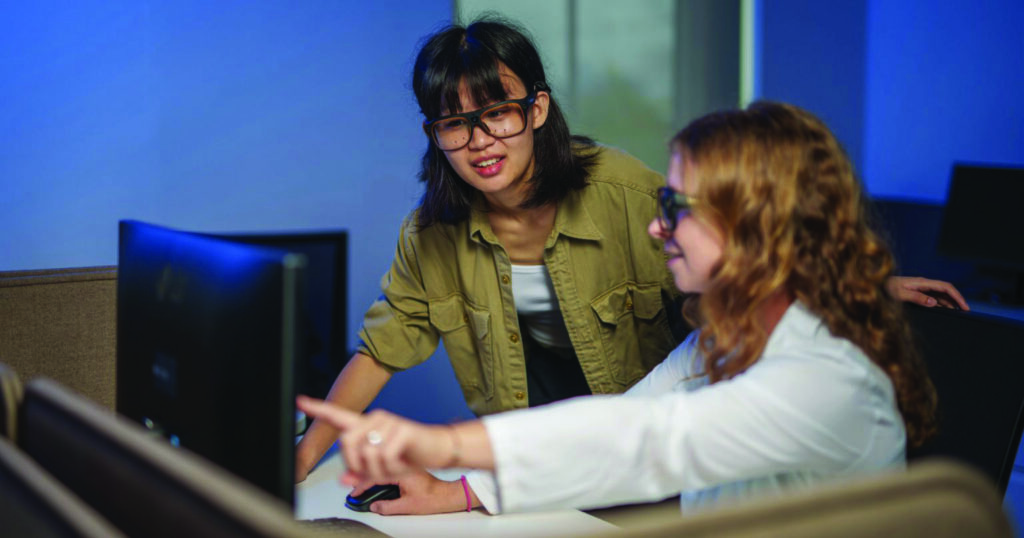
“LIVE helps innovators turn early-stage ideas into research-backed technologies that improve learning. This community is remarkable in how it pushes ideas to mature through interdisciplinary critique and collaboration.” — Alyssa Wise, LIVE Director
Underlying all of this is LIVE’s research infrastructure, which includes state-of-the-art technologies such as a virtual reality cave, an embodied learning lab and lightweight, high-precision eye trackers. These resources spark new research and development that drive meaningful impact beyond traditional academic boundaries.
Vanderbilt Lab for Immersive AI Translation
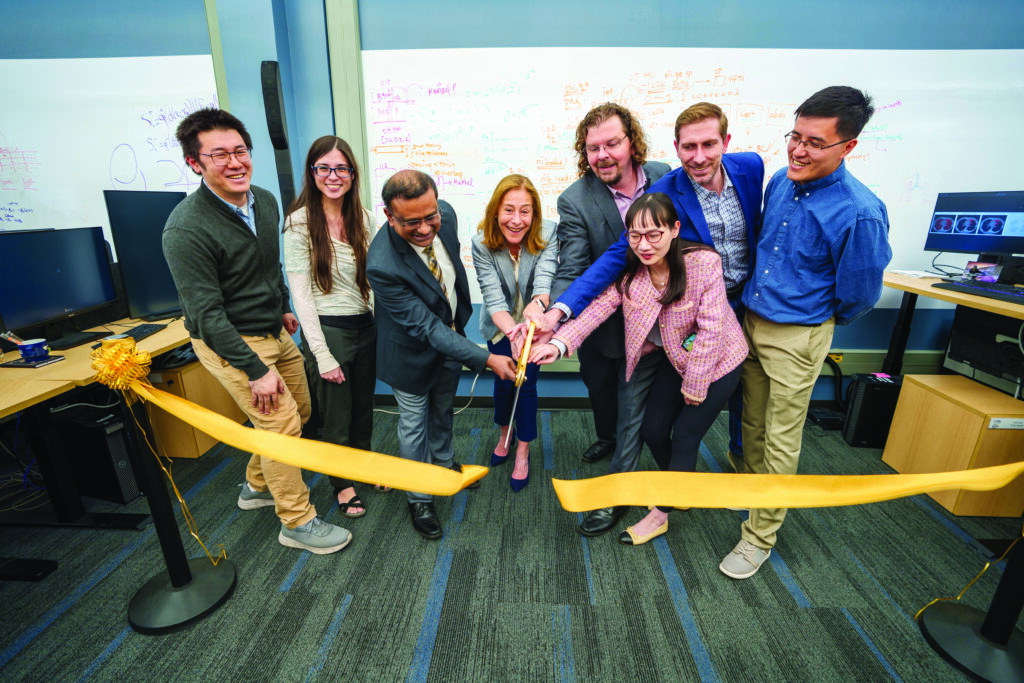
Vanderbilt Lab for Immersive AI Translation (VALIANT) is an interdisciplinary research and innovation hub at Vanderbilt dedicated to advancing digital and data-driven solutions across a spectrum of fields. By uniting experts from computer science, engineering, medicine, materials science and the humanities, VALIANT fosters a collaborative environment where cutting-edge methods in artificial intelligence, machine learning and high-performance computing are brought together to tackle complex, real-world challenges.
Focused on transforming research into impactful applications, VALIANT bridges the gap between academic inquiry and practical innovation to drive initiatives that improve outcomes in health care and beyond.
Launched in May 2024, VALIANT leads a portfolio of projects, including efforts to improve prediction and diagnosis of lung cancer and to enhance understanding of aging using state-of-the-art imaging data.
VALIANT has also established an Industry Affiliates Program designed to foster dynamic, collaborative relationships with domestic and international industry leaders. The tiered program offers benefits like exposure to the latest research, focused workshops on recent discoveries and tailored brainstorming sessions with VALIANT faculty and students.
VALIANT played a key role in launching the Mid-TN AI for Interdisciplinary Imaging Interpretation Alliance (known as AI4A), a pioneering effort to unite the strengths of Middle Tennessee’s academic institutions—from urban centers to rural communities—to tackle contemporary challenges through AI. AI4A connects Vanderbilt University’s School of Engineering, Vanderbilt University Medical Center, Fisk University, Tennessee Tech University and Tennessee State University, leveraging each institution’s strengths to advance AI applications in medical imaging and beyond.
The Wond’ry
When Vanderbilt opened the doors to the Wond’ry in 2016, it did more than unveil a new building—it created a home for ideas. The Wond’ry, whose name blends “wonder” and “foundry,” was designed as the physical and cultural heart of Vanderbilt’s innovation ecosystem. Its purpose is clear: to bring together curious minds from every discipline and transform sparks of imagination into tangible, real-world solutions.
The Wond’ry’s founding vision centers on accessibility and collaboration. It is a place where a philosophy major might team up with a biomedical engineer, or where a musician’s creative process might inspire a mechanical prototype. Rather than positioning innovation as the domain of scientists and engineers alone, the Wond’ry redefines it as a human endeavor—one that can emerge from engineering, art, social science, medicine, education or business. It embodies a core Vanderbilt value: Meaningful innovation happens when diverse perspectives intersect.
Building a Culture of Innovation
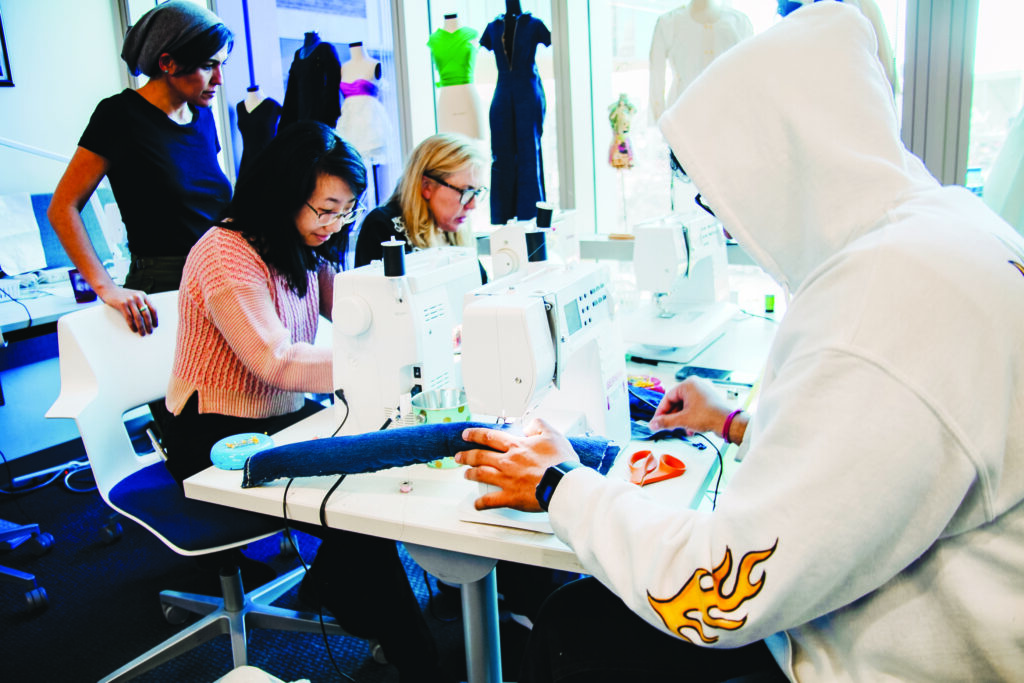
The Wond’ry’s philosophy goes beyond experimentation. It celebrates curiosity, tolerates failure and values learning through doing. Across the facility, visitors find open makerspaces, prototyping labs, design studios and collaboration zones that invite hands-on creativity.
Workshops and events frequently draw hundreds of participants. Through design thinking sessions, makeathons and interdisciplinary classes, participants learn to frame complex problems, develop empathy for users and iterate through prototypes. Exhibits featuring art, technology and student projects demonstrate that innovation is as much cultural as it is technical. In these ways, the Wond’ry has become a creative commons for the university—a gathering point where ideas move fluidly between disciplines.
MAKE IT REAL is the motto in the Wond’ry makerspaces. There, the Wond’ry team helps everyone—from students to startups—bring their ideas to life. Hands-on learning is central, and faculty, staff and studentmaker techs provide entry-level to advanced workshops and one-on-one support. The makerspaces include an Electrical Makerspace, Emerging TechLab, Fiber Arts Build Lab and Mechanical Makerspace, serving as hubs for collaborative design and experiential learning.
One of the Wond’ry’s flagship offerings is the IMPACT Program (innovation, market-driven productization and commercialization of deep technologies)—a multiphase journey guiding students from problem identification to viable solutions. It begins with “Uncover,” focused on human-centered design and stakeholder discovery; moves through “Invent,” emphasizing prototyping and iteration; and concludes with “Propel,” where participants prepare to launch and scale their ventures.
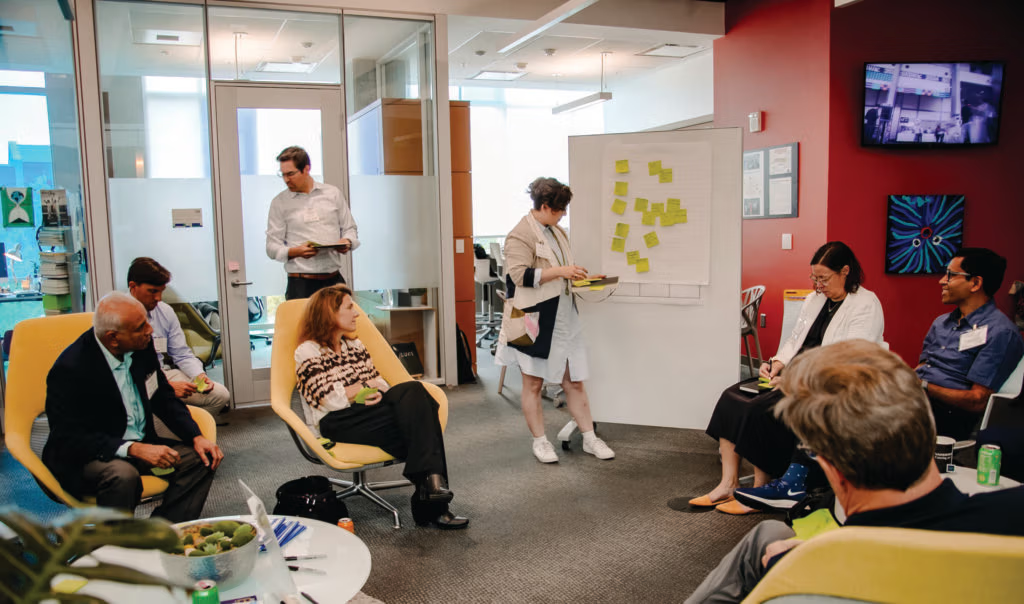
The IMPACT Summit, the program’s culminating showcase, celebrates Vanderbilt creativity by highlighting prototypes and emerging technologies that generate economic and community value.
The Wond’ry also offers for-credit courses open to all majors through the School of Engineering. By creating a sequence of progressive learning opportunities, the Wond’ry expands the innovation capacity of individual students and of the university. It launched with two foundational courses—Design Discovery and How to Make Almost Anything—with plans to expand into textiles and electronics prototyping, advanced design, UX/UI design and new product design and development.
The Wond’ry’s Role in Vanderbilt’s Future
At the Wond’ry, every program reinforces the importance of understanding people—their needs, motivations and contexts. This design-driven approach ensures that ideas are not only novel, but also meaningful and usable. The Wond’ry strives to ensure that every member of the Vanderbilt community, regardless of major or background, can engage in innovation. Programs are intentionally designed for beginners as well as experienced creators.
In these ways, the Wond’ry serves as Vanderbilt’s home for ideas—a space where innovation, ideation, prototyping and purpose come together to shape students’ futures.
Institute of National Security: Innovating the Future of National Security
National security threats have transformed dramatically in recent years. Cyberattacks, AI-driven influence campaigns and assaults on vital infrastructure now rival traditional military challenges. Meeting this moment requires leaders who combine technical fluency with strategic insight—and who can innovate at the pace of emerging threats.
The Institute of National Security is doing that by cultivating a new generation of leaders who can both code and command. Led by retired four-star Gen. Paul M. Nakasone, former director of the National Security Agency and commander of U.S. Cyber Command, the institute is rooted in four pillars: Educate, Convene, Innovate and Advise. It blends academic excellence with real-world expertise to prepare students to confront the nation’s most complex security challenges.
Across these pillars, students gain hands-on experience through mentorship, immersive programs, applied research and partnerships with government, industry and the military. They learn to intercept cyber attacks, analyze global risks and think strategically about how to outmaneuver adversaries—all within a culture of service and purpose.
Nakasone summarizes the need:
“The pace and complexity of today’s cybersecurity threats demand leaders who can think across disciplines and sectors. At Vanderbilt, our institute is preparing the next generation to respond with agility, collaboration and a clear sense of purpose.”
Driving the National Conversation
The institute is not only preparing future leaders, it is shaping the broader policy landscape. In 2025, groundbreaking research from its WickedProblems Lab made front-page news in The New York Times, exposing how a Chinese technology company is using AI-enabled propaganda to influence foreign governments and profile U.S. leaders. The findings sparked national debate and underscored the urgency of addressing next-generation information warfare.
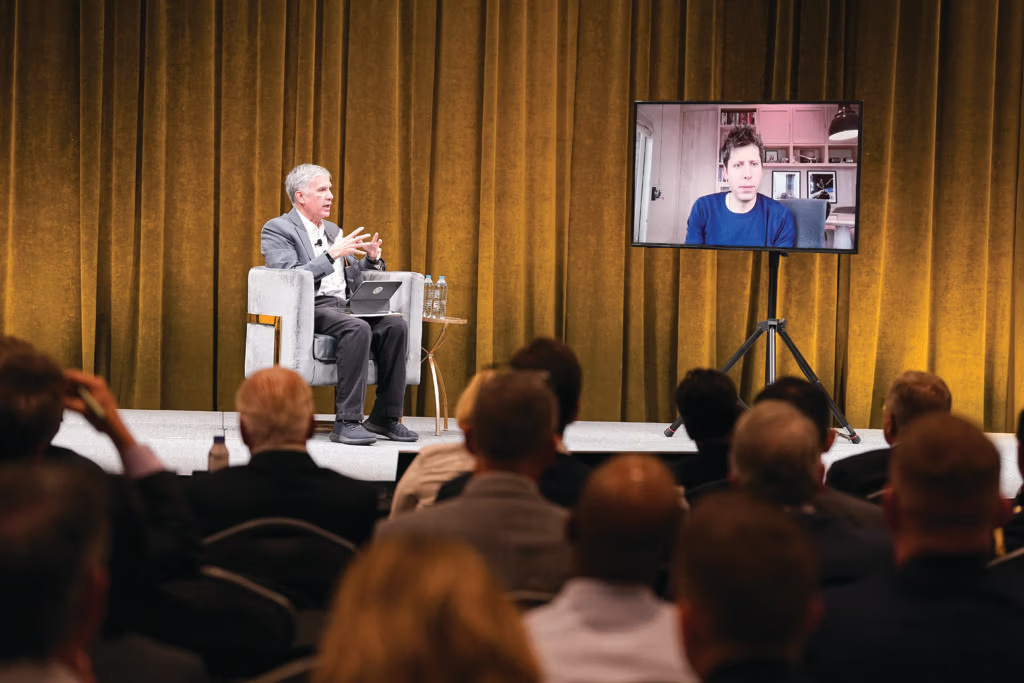
Innovating at the intersection of technology, policy and national service, Vanderbilt’s Institute of National Security is positioning Nashville—and the nation—for a more secure future.
vanderbilt.edu/national-security
Laboratory for Systems Integrity and Reliability
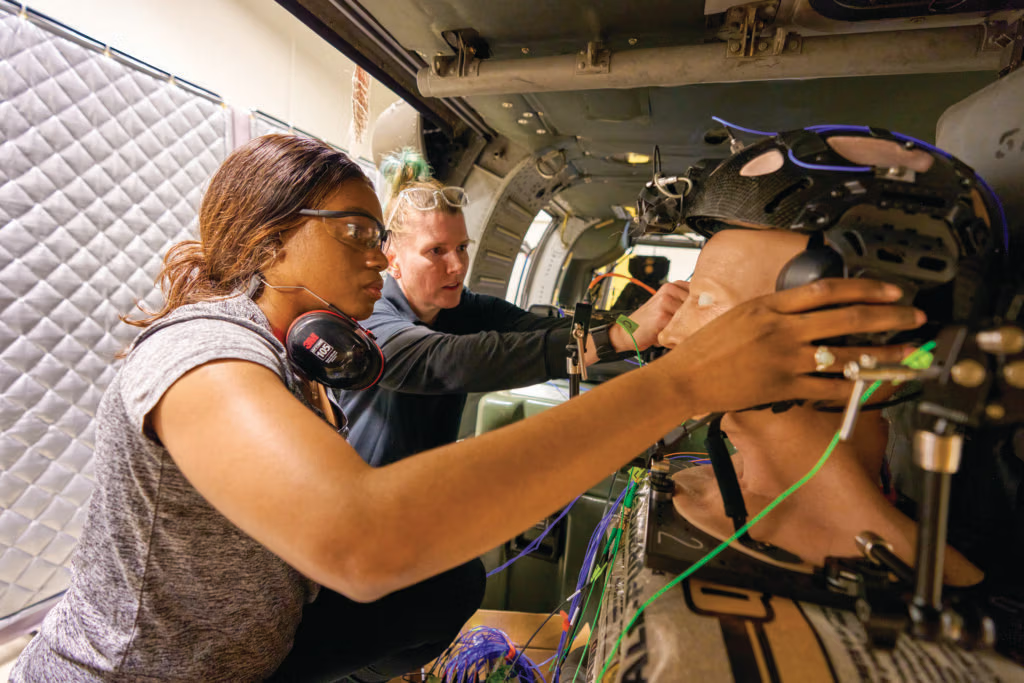
Vanderbilt’s Laboratory for Systems Integrity and Reliability (LASIR) advances national security and technological innovation by developing critical sensing and data analytic technologies that directly benefit the defense, manufacturing and energy sectors. These technologies have been developed to improve the performance, reliability and cost-effectiveness of complex engineered systems across defense and civilian applications, maximize human performance, and ensure the reliability of the country’s critical infrastructure.
LASIR has a unique facility equipped with fully instrumented test beds, integrated with sponsors’ components or systems, used to experimentally validate the concepts and for the development of innovative data analytics. LASIR has produced results that range from cloud-based predictive models to full-scale experimental validation, providing comprehensive solutions that optimize critical systems.
Institute for Space and Defense Electronics
The largest university-based radiation effects group in the world, the Institute for Space and Defense Electronics (ISDE) conducts cutting-edge research in radiation effects and reliability to study how electronics perform in extreme environments—from deep space to defense systems. Its work combines experimental testing, device characterization and advanced simulations to understand and mitigate radiation-induced failures. From fundamental studies on charge transport to applied engineering solutions for space, defense and semiconductor industries, ISDE provides crucial expertise that shapes the future of resilient electronics.
ISDE is also deeply committed to education and workforce development. Programs such as LAB RATTS train students to set up and troubleshoot radiation tests, and ISDE leads the Radiation Hardening vertical within the Scalable Asymmetric Lifecycle Engagement network, a national microelectronics workforce program. Through these efforts, ISDE is helping train the next generation of engineers and researchers in radiation effects, reliability and microelectronics.
Institute for Software Integrated Systems
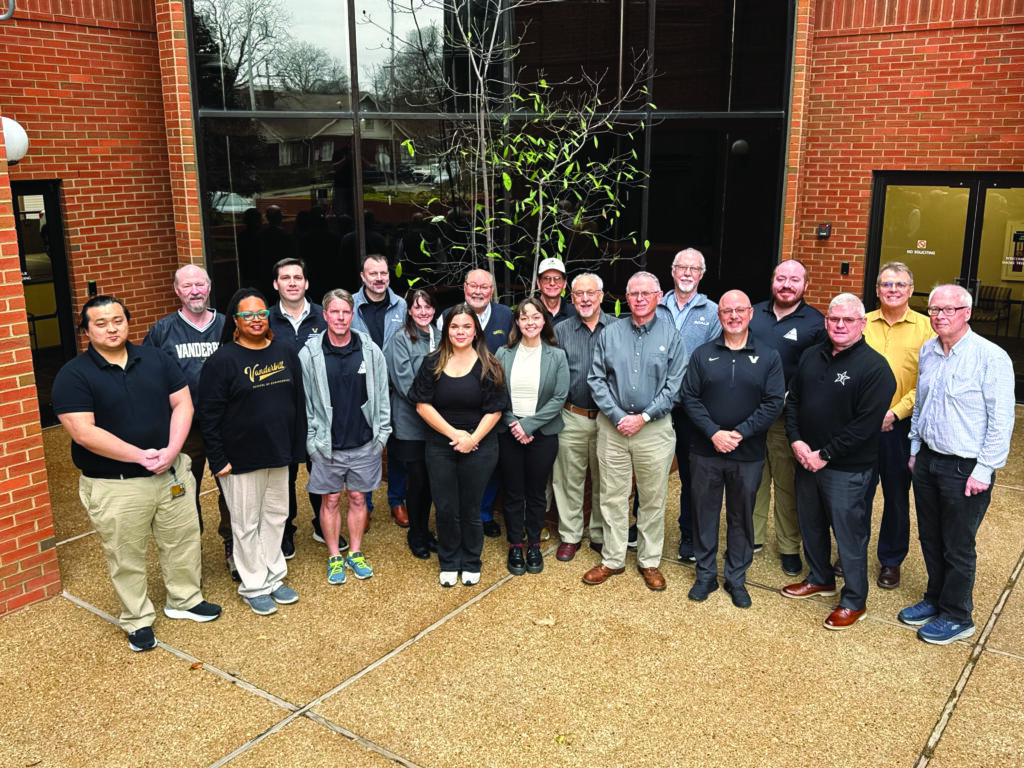
The Institute for Software Integrated Systems at Vanderbilt is a beacon of academic excellence and a hub of pioneering innovation in systems and information science—engineering the future of technology through groundbreaking research and collaborative education.
At the institute collaboration drives innovation. A diverse team of researchers and educators specializes in integrating complex systems with cutting-edge artificial intelligence to build resilient and secure systems that shape societal-scale infrastructures. The institute’s commitment to empowering learners is evident in its interactive environment, where students and professionals hone their skills and contribute to the technology of tomorrow.
The institute’s pioneering work in information science and systems engineering is not just about advancing technology—it is about creating solutions that have lasting impact on industries and communities worldwide. From integrating AI into engineered systems to building robust software ecosystems, the institute is dedicated to research that reshapes industries and education that inspires change.
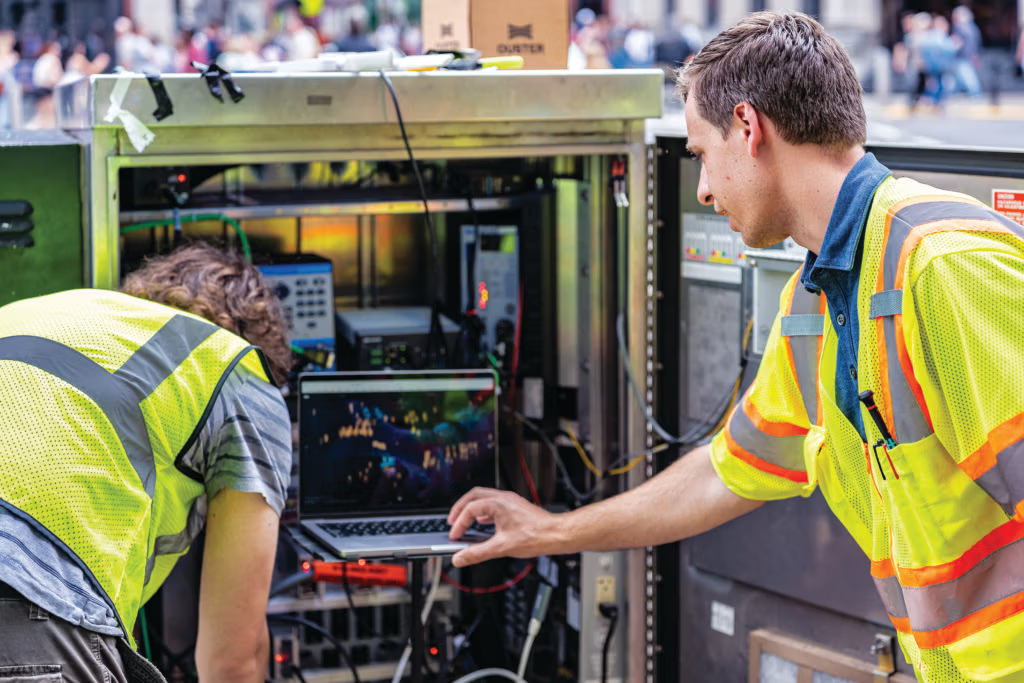
Enhancing Safety Through Smarter Street Design
The institute’s researchers are partnering with the Nashville Department of Transportation to reduce injuries and near-misses at mid-block crossings—areas often overlooked in traditional traffic studies. The project supports the city’s goals to better count and protect vulnerable road users, expand access to secure transportation data and strengthen community partnerships. Through innovative data management, system design and testing, and public outreach, Vanderbilt is helping build a safer, smarter transportation network for Nashville.
Revolutionizing Traffic Understanding with I-24 MOTION
Vanderbilt researchers are driving innovation on Nashville’s roads through the I-24 MOTION project—a first-of-its-kind smart highway developed in partnership with the Tennessee Department of Transportation. Along a four-mile stretch of Interstate 24, nearly 300 ultra-high-definition cameras capture the movement of every vehicle, which Vanderbilt’s AI algorithms convert into a detailed, anonymous digital model of real-world traffic flow.
This groundbreaking system helps researchers understand how individual vehicles, including those with automated features, interact with traditional traffic. The insights are shaping the future of road design, vehicle technology and congestion management—making transportation safer, cleaner and more efficient. By testing cutting-edge technologies in live traffic rather than controlled environments, Vanderbilt is helping Nashville become a national leader in intelligent mobility innovation.
AI-Powered Emergency Dispatch Training
In partnership with the Metro Nashville Department of Emergency Communications, the institute’s researchers have developed “Angie,” an AI-powered system that transforms how 911 dispatchers are trained. Traditionally, training requires live role players and intensive instructor oversight—an immense burden on already understaffed call centers. Angie changes that.
The system simulates more than 60 types of emergency calls, each with unique scenarios and caller personalities, and provides real-time feedback based on official protocols. By offering realistic, data-driven training, Angie helps new dispatchers build critical-thinking and crisis-management skills while saving hundreds of instructor hours—strengthening Nashville’s emergency response capabilities through innovation.
Data-Driven Monitoring and Optimization of Right-of-Way Permits
In collaboration with the Nashville Department of Transportation, the Mayor’s Office and Metro Information Technology Services, the institute’s researchers are tackling the costly and dangerous problem of unauthorized road closures. By integrating connected computing, LiDAR and speed probe data, the project builds an urban digital twin of Nashville’s road network to detect closures in real time.
This AI-driven system enables NDOT to identify, verify and respond to closures more efficiently—recovering millions in lost fees, enhancing community safety and improving mobility across the city.
Consortium for Risk Evaluation with Stakeholder Participation
Vanderbilt leads the multi-university Consortium for Risk Evaluation with Stakeholder Participation (CRESP), one of the nation’s leading independent, interdisciplinary research groups helping the U.S. Department of Energy manage the waste management and environmental legacy from production of defense nuclear materials and nuclear energy.
CRESP, along with Vanderbilt’s Nuclear Environmental Engineering Research Group (NEERG), support DOE Office of Nuclear Energy’s key initiatives related to civilian nuclear safety, advanced technology and waste management, and they provide leading-edge research for the Electric Power Research Institute evaluating safety and reliability engineering for emerging fusion power systems.
Vanderbilt Institute for Surgery and Engineering
The Vanderbilt Institute for Surgery and Engineering (VISE) is a trans-institutional engine for innovation that unites the School of Engineering, the College of Connected Computing and the School of Medicine to develop intelligent methods, devices, algorithms and systems that transform patient care. VISE does more than adapt to treatment paradigms—it redefines them.
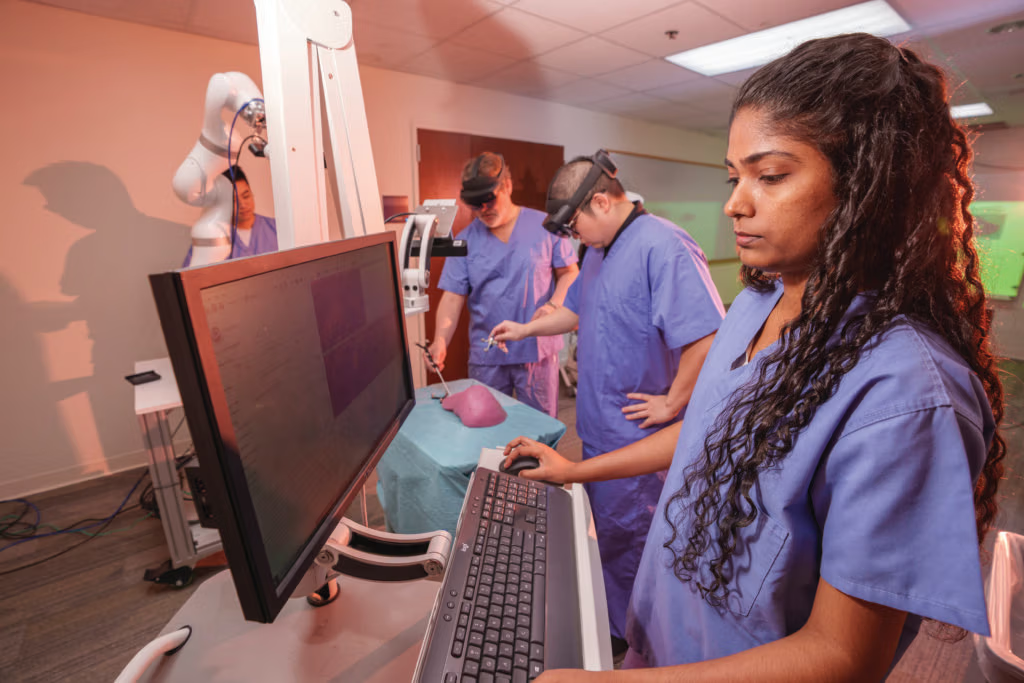
By engineering new procedural technologies, VISE enables surgeries that were previously impossible, thus shifting standards of care and unlocking new therapeutic frontiers. Its platforms serve not only as tools for intervention, but as instruments of discovery that allow disease to be studied at its most consequential moment: during treatment. Unlike traditional bench-to-bedside models, VISE begins at the procedure—perfecting it and revealing mechanisms along the way. Its portfolio spans neuromodulation implants; robotic surgeries in the lung, prostate, kidney and liver; and advanced cochlear implant technologies. VISE pioneers surgical imaging, optimizes pathology integration and deploys digital twins for patient-specific therapy prediction.
VISE also leads efforts to quantify surgical expertise, engineer training platforms for constrained-resource environments and advance AI-driven procedural systems that elevate surgical care to levels never before achieved. Across all domains, VISE builds innovative systems for treatment and discovery—engineering the future of surgery.
Vanderbilt Institute of Nanoscale Science and Engineering
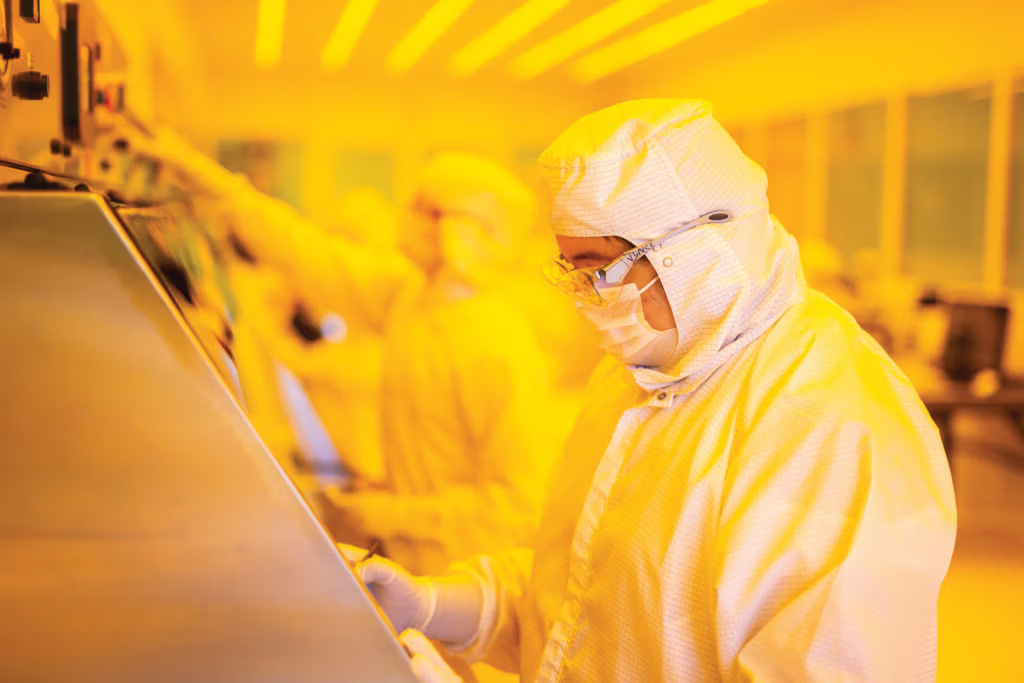
The Vanderbilt Institute of Nanoscale Science and Engineering (VINSE) drives innovation in nanoscience, nanotechnology and education that benefits society. VINSE provides the resources researchers need to explore and investigate new technologies in health care, energy, information technology and more.
VINSE operates the only cleanroom open to external users in Middle Tennessee and houses world-class electron microscopy tools that allow imaging and manipulation of materials more than 10,000 times smaller than the width of a human hair.
VINSE faculty are:
- Developing a cyber microscope system that leverages AI and cutting-edge nanomaterials to revolutionize live-cell imaging
- Using specially designed nanowires for super-efficient cooling that could transform the operation of solar panels, LEDs and computers
- Exploring next-generation quantum technologies
- Designing new nanomaterials for more effective drug delivery to treat cancer, arthritis and skin wounds
VINSE is also training the next generation of innovators through diverse programming that includes short courses, immersive experiences in the VINSE core facilities, an undergraduate Tech Crew program and high school field trips. VINSE is, in every sense, a hub for nanoscale innovation with big impact.
Vanderbilt Biophotonics Center
The Vanderbilt Biophotonics Center (VBC) is a trans-institutional initiative in biophotonics research, technology development and education. The center focuses on developing and applying photonic technologies for fundamental discovery and clinical translation in biomedicine.
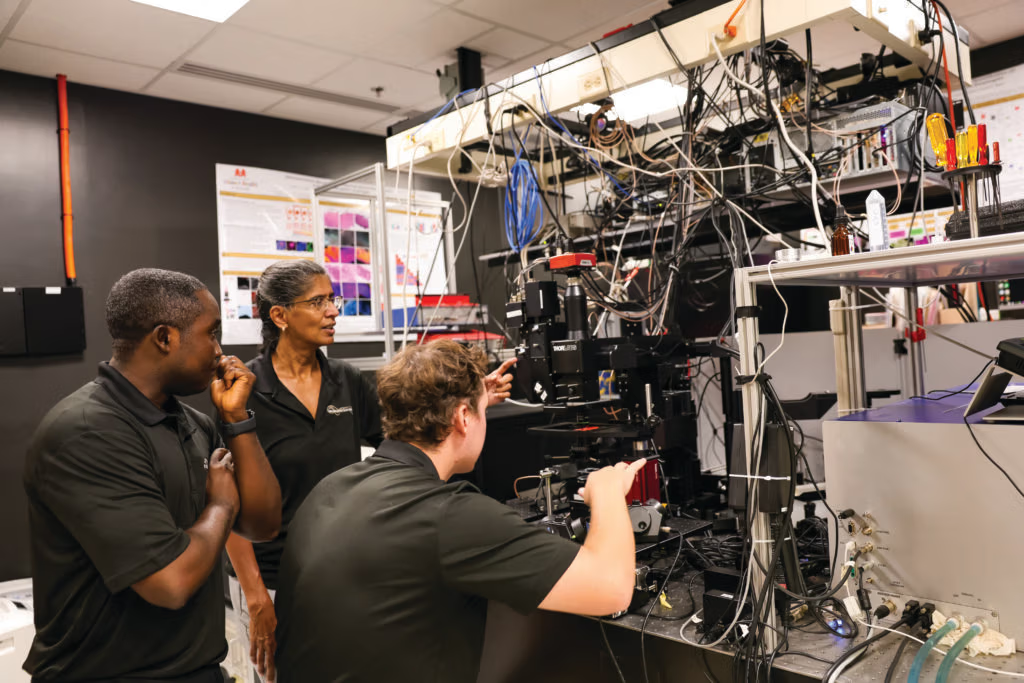
- Porous Silicon Biosensor: A porous silicon (abbreviatedas PSi) biosensor functions like a tiny sponge that can sense specific molecules. In this project, PSi is placed on specialized paper layers that guide a sample through the sensor. As the sample passes, the silicon surface—coated with molecules that “catch” only target molecules, such as protein biomarkers for infectious disease—changes color when the target is present. The color change, captured with a smartphone camera, provides a quick, quantitative, low-cost test suitable even outside of a laboratory.
- Augmented Reality for Intraoperative Guidance: Optical imaging can visualize blood flow, tissue health and margins between healthy and diseased tissue—features invisible to the naked eye during surgery. The VBC has developed an augmented reality headset that overlays enhanced contrast of the surgical field in real time to enable continuous monitoring of tissue status during surgery.
Mass Spectrometry Research Center
The Mass Spectrometry Research Center (MSRC) is revolutionizing how scientists visualize and understand disease at the molecular level by offering an unprecedented window into the inner workings of human tissues. Its advanced imaging tools help researchers decode conditions ranging from kidney disease to cancer.
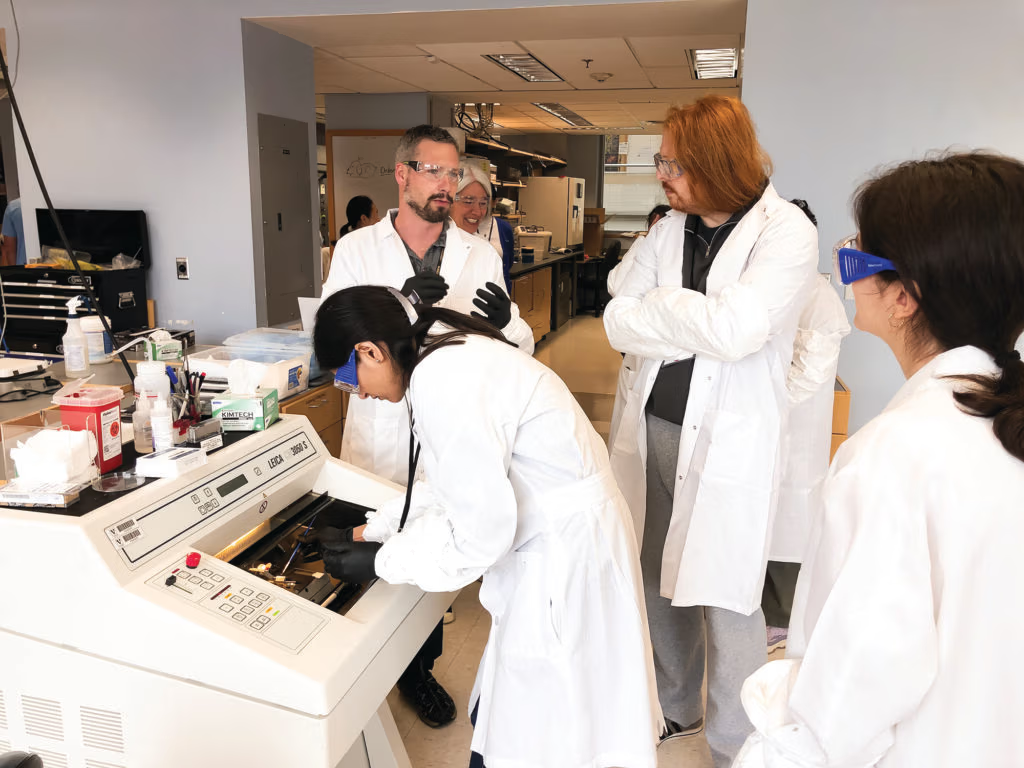
- Kidney health breakthrough: Vanderbilt scientists built a detailed molecular atlas of the human kidney, mapping 51 cell types to better understand kidney disease and guide future treatments.
- Next-generation imaging technology: A $4 million National Science Foundation grant supports development of an open-access molecular imaging platform that will empower researchers worldwide.
- Expanding access: This initiative trains international scientists across disciplines to use advanced imaging tools, accelerating discoveries in their own laboratories.
Vanderbilt Brain Institute
For 25 years, the Vanderbilt Brain Institute (VBI) has led neuroscience research across Vanderbilt, connecting discoveries in biology, behavior and technology to better understand the mind and treat brain disorders.
- New hope for depression: A recent study shows how ketamine may deliver longer-lasting relief for people with depression, shaping new treatments for mental health.
- Childhood brain development: Researchers are uncovering how early experiences influence brain circuits linked to learning and behavior.
- Community engagement: VBI’s annual Brain Blast event brings brain science to Nashville families through interactive exhibits that encourage young students’ interest in neuroscience and highlight VBI’s cutting-edge neuroscience research.
medschool.vanderbilt.edu/brain-institute
Vanderbilt Institute of Chemical Biology
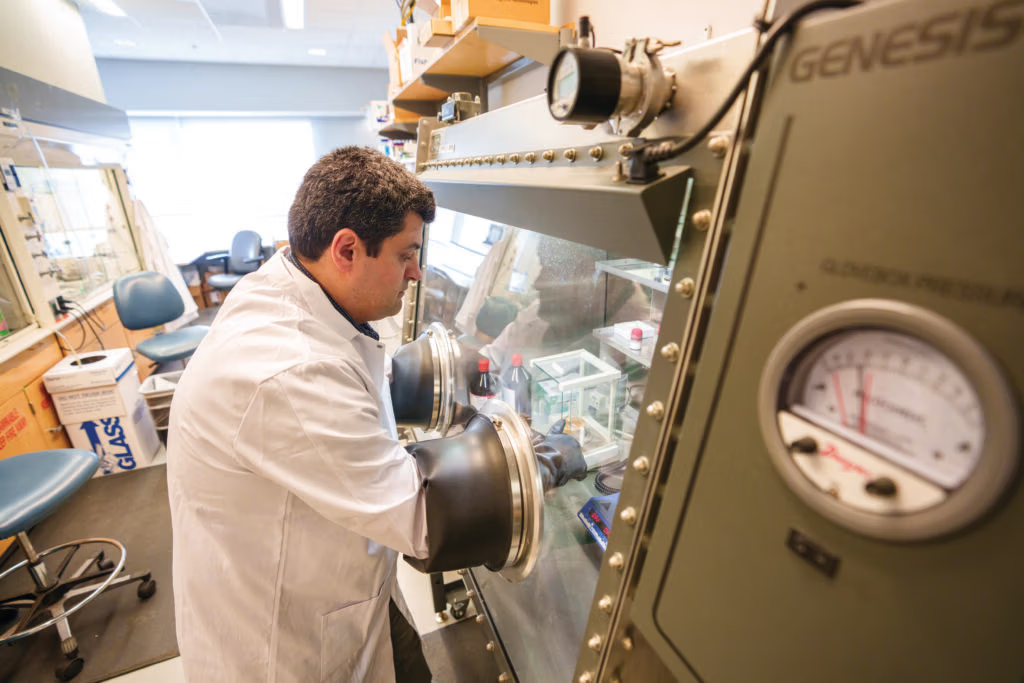
The Vanderbilt Institute of Chemical Biology (VICB) is a hub for interdisciplinary science that brings together chemistry, biology and medicine to develop new tools, therapies and research collaborations.
- Peptide engineering for new drugs: Researchers are improving how scientists design peptide-based therapeutics by using a natural “language” of molecules to expand treatment options.
- Student-led discovery: VICB’s collaborative trainee research programs pair students and postdocs with mentors across institutions, including St. Jude, to sharpen ideas and accelerate breakthroughs.
NashvillePeer
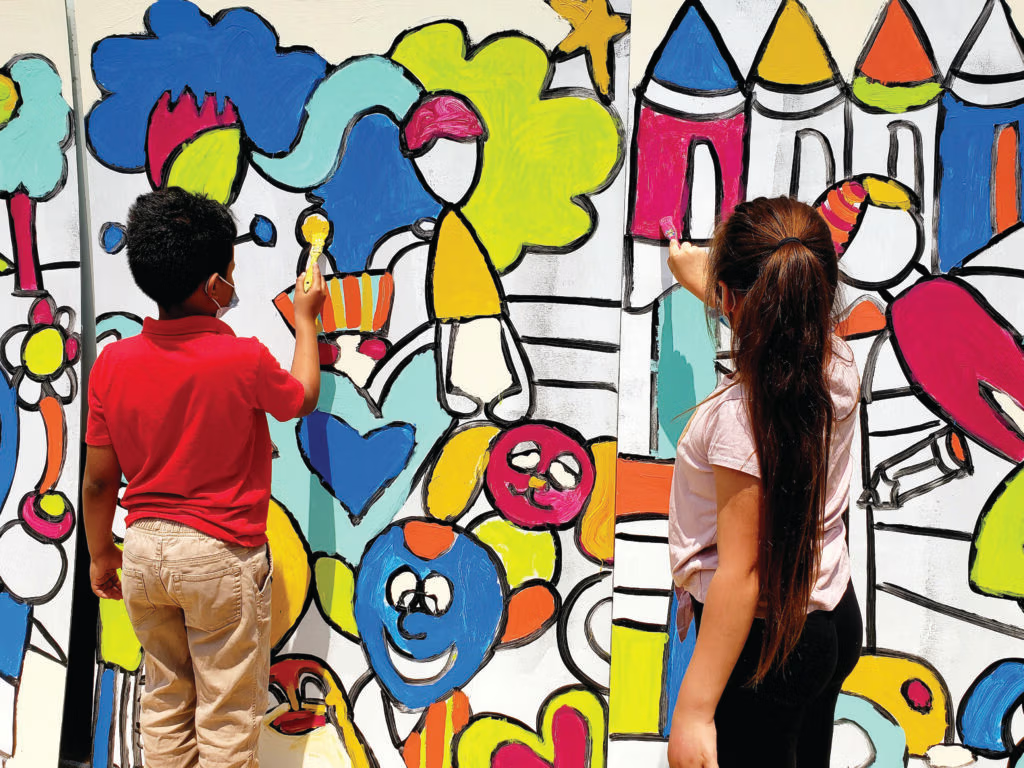
NashvillePeer is redefining how research and practice come together to strengthen public education in Nashville. Established in 2021, the partnership connects Metro Nashville Public Schools (MNPS) and Vanderbilt’s Peabody College of education and human development through a shared vision: expand opportunity, foster innovation and bring to life the district’s commitment to “Every Student Known.”
At its core, NashvillePeer is a research–practice partnership—a long-term collaboration among district leaders, educators, researchers and community members who work side by side to study pressing questions and translate findings into action. Each NashvillePeer working group brings together MNPS and Vanderbilt partners to address district priorities like student attendance, post secondary readiness, youth success and well-being, instructional supports and school climate.
By pairing rigorous research with deep local knowledge, NashvillePeer ensures that data does not sit on a shelf—it informs MNPS’s approach to preparing students for college, career and life. For example, research on postsecondary readiness informed the MNPS 2030 Academies of Nashville Strategic Plan, and early postsecondary coursework will be embedded in all academic pathways.
Behind the scenes, NashvillePeer invests in the infrastructure that makes this collaboration possible: secure data systems, aligned research processes, and communications and events that connect evidence to practice. With more than 80 district leaders, researchers and Vanderbilt graduate students engaged, the partnership is creating a model for how school systems can use evidence to drive transformational change.
As Nashville continues to grow as a hub of innovation, NashvillePeer stands at the intersection of research and practice—demonstrating what is possible when educators and researchers work together to ensure that every student is known, supported and prepared to thrive.
Roberts Academy
Nestled on the Vanderbilt campus, Roberts Academy is a pioneering elementary school that brings cutting-edge research into practice for students in grades 1–5 who have dyslexia. Building on the renowned expertise of Vanderbilt’s Peabody College of education and human development, Roberts Academy offers small-group, individualized and scientifically based instruction with a clear vision: to provide students with educational experiences that create a strong foundation for academic success in a variety of school settings.
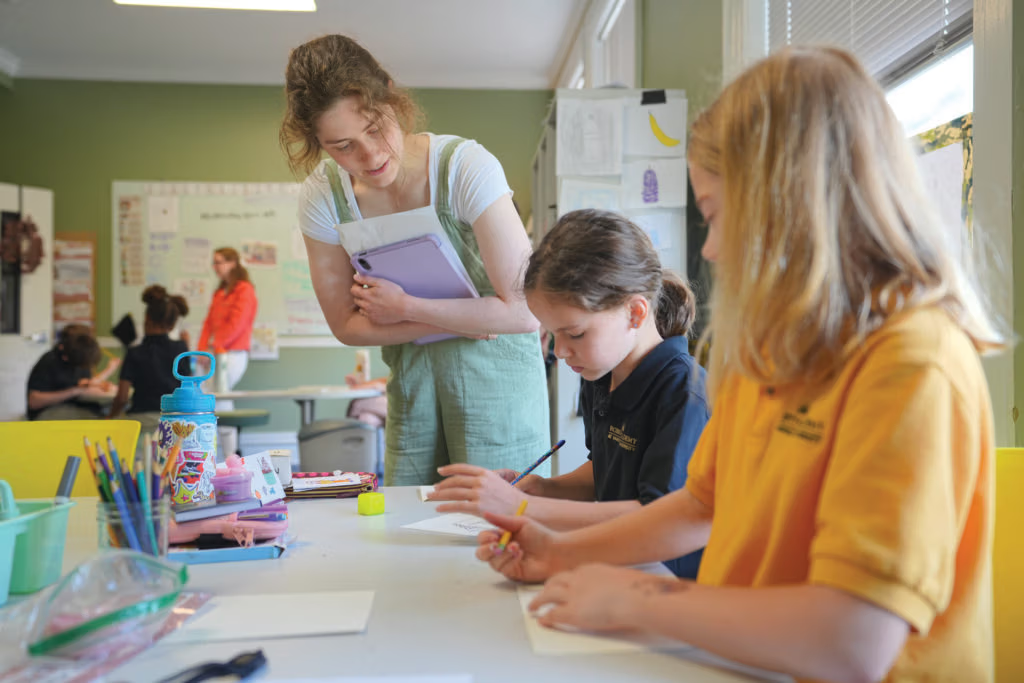
Roberts Academy opened in fall 2024. Small class sizes and low student-to-teacher ratios allow for intensive, data-driven instruction tailored to each learner’s strengths and needs. Instruction follows research-based frameworks rooted in the Orton-Gillingham approach.
With a strong commitment to evidence-based practice and close collaboration with Vanderbilt faculty, Roberts Academy exemplifies an innovative model of dyslexia-focused schooling. As a specialized elementary school anchored in a major research university, it offers a unique approach to educating students with dyslexia—where the application of research, personalized instruction and the rich resources of Vanderbilt converge to create a visionary academy poised to influence education far beyond its campus.