SUSTAINABLE INVESTMENT FOR INCLUSIVE GROWTH, SOCIAL UNITY AND HUMAN DEVELOPMENT IN LESOTHO
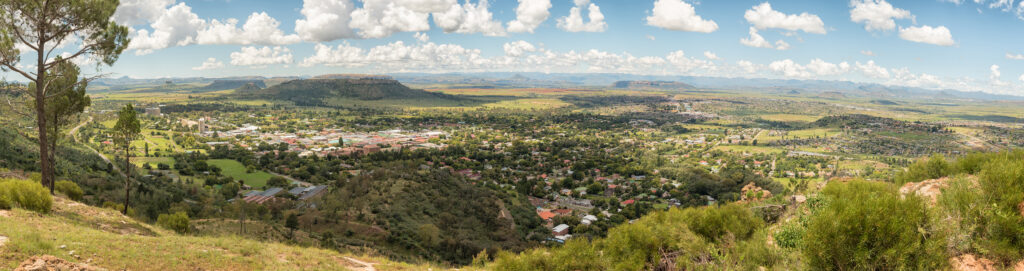
BUILDING A THRIVING COUNTRY
Investing in the Kingdom of Lesotho presents a unique opportunity to address critical social inequalities that have historically marginalized women, children, youth, people with disabilities, migrants, herders and other vulnerable groups, ultimately hindering the progress of social unity and peacebuilding.
By channelling resources and support into this nation, partners have the power to restore hope in its communities. It is an invitation to not just fund interventions but to nurture dreams. Through education, health care, inclusive policies and sustainable development, the tide can be turned. This is not only about economic returns; it is about sowing seeds of equality, fostering unity and nurturing peace.
The United Nations family, in partnership with the government and other stakeholders, is committed to finding a sustainable pathway to peace and prosperity in Lesotho.
ABOUT LESOTHO
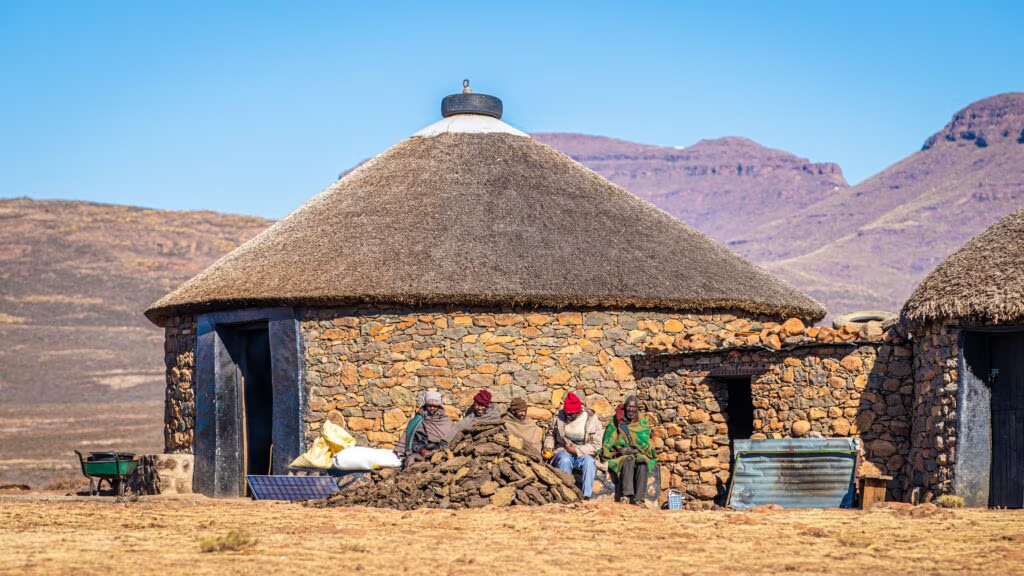
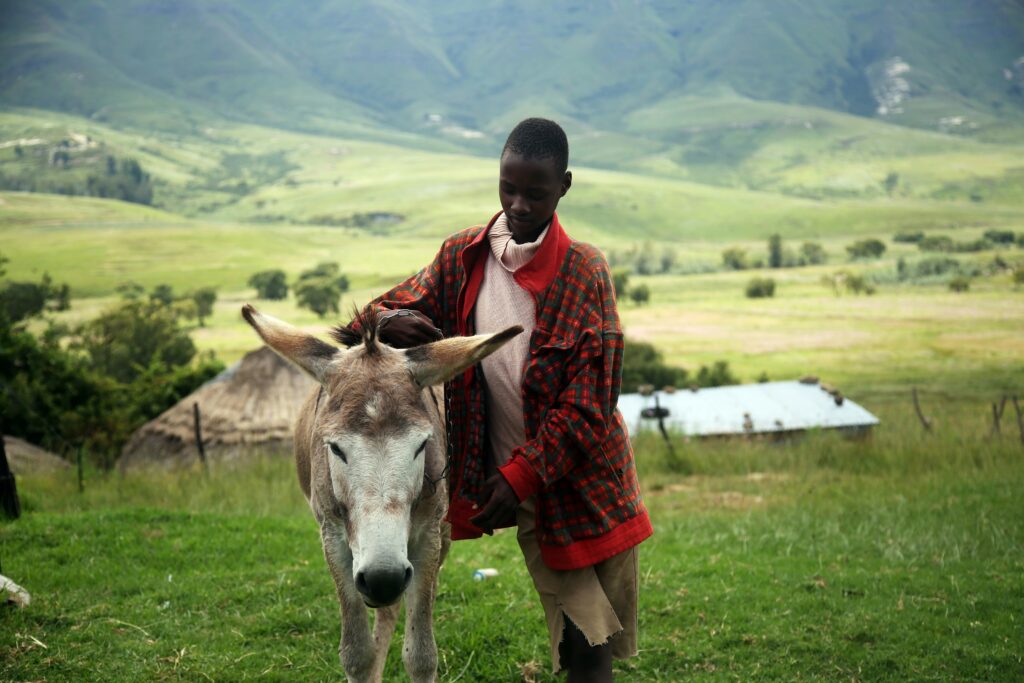
Since independence, Lesotho, a landlocked country encircled by South Africa, has made significant strides in sustainable development, with expansions in education access and health-care improvements. Women have increasingly taken up prominent roles in government and other sectors, contributing to gender equality. However, multidimensional poverty remains pervasive, with unemployment affecting approximately 38 percent of the population and rural areas being home to 75 percent of the people, where women and youth are especially vulnerable.
With high income inequality and nearly 50 per cent of the population living below the national poverty line, Lesotho is the poorest and most unequal Member of the Southern African Customs Union (SACU). Reliant on agriculture, the economy faces challenges from low productivity, frequent climatic disruptions like droughts and floods, declining SACU revenue and increasing fuel and food prices, compounded by a significant HIV and AIDS burden.
Despite its natural resource revenue from water and diamonds, Lesotho’s lack of industrialization stifles job creation and exacerbates socioeconomic tensions, thereby eroding macroeconomic stability. Now, more than ever, Lesotho needs smart investment that can catalyse sustainable growth, bridge income and asset inequalities, and unleash the latent productive potential of the country’s resilient population.
GOVERNMENT VISION
Lesotho’s National Strategic Development Plan II (2023/24–2027/28) focuses on four key priority areas to boost and diversify the economy, considering cross-cutting issues like climate change and youth, and emerging sectors such as digital technology and renewable energy.
- Growth progression prioritises inclusive and sustainable development by transitioning the economy from consumption to production and exports, with key areas that include agriculture, market development, wool and mohair maximization, urbanization, industrialization, mineral asset mapping and enhanced financial inclusion through improved credit systems and a development bank.
- Social transformation aims to optimize societal benefits by developing human capital, emphasizing health care, social security, job creation and support for vulnerable populations through comprehensive health and social infrastructure initiatives.
- Infrastructure development is crucial for economic growth, focusing on energy self-sufficiency, strengthening of information and communication technology, urbanization and industrialization through extensive physical infrastructure development.
- Good governance involves enhancing governance institutions for effective policy implementation, ensuring transparency and accountability, integrating gender equality and climate resilience and employing robust monitoring systems for responsive governance.
INVESTMENT OPPORTUNITIES
Lesotho offers stakeholders key investment opportunities that can drive development, prosperity and sustainable peace across several strategic sectors.
An urgent and comprehensive response to the El Niño crisis in Lesotho should provide critical food, water and nutrition to vulnerable populations; protect children and women from abuse and exploitation; support the recovery of rural agricultural systems to enhance resilience against future climate shocks; and ensure education continuity.
INVESTMENT FOCUS AREAS: Emergency food distribution, especially in highly affected rural areas, prioritizing vulnerable children, pregnant women and the elderly; targeted nutrition programmes to prevent severe malnutrition among children under five and pregnant or breastfeeding mothers; emergency water trucking in severely drought-affected regions; rehabilitation of existing water points and promotion of basic water conservation practices; community-based child protection mechanisms; gender-based violence prevention and response services; mental health and psychosocial support; livelihood recovery and agricultural support; and school feeding programmes so that hunger does no tinterrupt children’s education.
Nutrition improvements reduce stunting, malnutrition and childhood obesity risks, supporting cognitive and physical development, lifelong healthy eating habits, community resilience and food security.
INVESTMENT FOCUS AREAS: Expand community-based nutrition programmes to promote breastfeeding, improve infant and young children feeding practices and provide essential micronutrients, while also conducting campaigns to encourage nutritious diets; launch school and community programmes to encourage healthy eating and lower obesity risks; and invest in climate-smart agriculture to ensure food security.
Strategic investments in HIV prevention, education and youth empowerment are critical for protecting the health of the next generation.
INVESTMENT FOCUS AREAS: Comprehensive sexuality education to improve adolescents’ and young people’s access to information about prevention and treatment; youth-led advocacy and support programmes to reduce stigma and encourage HIV testing and treatment; and strengthen youth-friendly health services.
Investment in early childhood development (ECD) and learning lays the foundation for lifelong success in education, health and economic productivity, supporting Lesotho’s long-term socioeconomic transformation.
INVESTMENT FOCUS AREAS: Expanding access to quality early childhood development programmes for vulnerable children, including those with disabilities, in rural and underserved areas; training ECD caregivers; and offering parenting programmes to ensure better support for children’s early learning and development at home.
Addressing gender-based violence is vital for achieving gender equality and empowering society. It requires a comprehensive, inclusive approach that targets prevention, support and accountability for all, as well as engaging men and boys as allies.
INVESTMENT FOCUS AREAS: Community-based campaigns aimed at transforming harmful gender norms and promoting gender equality; survivor support services; and programmes that empower men and boys to tackle gender-based violence while also addressing the ways in which restrictive gender roles affect their own health and well-being.
Investments are needed in child protection to safeguard children from violence, exploitation and abuse, ensuring inclusive and accessible protection systems, especially for girls and children with disabilities, while promoting positive social norms and building stronger, resilient communities.
INVESTMENT FOCUS AREAS: Helping enforce child protection laws and develop better reporting mechanisms for cases of abuse, neglect and exploitation; establishing child-friendly spaces and empowering local child protection committees to take an active role in violence prevention; and expanding access to mental health and psychosocial support services for children affected by violence.
Civil registration and vital statistics systems (CRVS) are crucial for ensuring that every child, especially in remote or disadvantaged communities, is registered at birth and can access essential services like education, health care and social protection.
INVESTMENT FOCUS AREAS: Improving birth registration systems to ensure universal registration; linking CRVS to social services to provide registered children with access to essential services; and ensuring that CRVS collect detailed data on gender, disability and geographic location to optimize service delivery and target interventions more precisely.
Better development data and innovation help create stronger policies and services in health, education and social services, while also improving government efficiency and resilience and accelerating progress towards the Sustainable Development Goals (SDGs).
INVESTMENT FOCUS AREAS: Supporting the United Nations’ Development Data Programme by enhancing and harmonizing existing data systems across government ministries for better integration; training government officials and statisticians in innovative data collection methods, like mobile-phone-based surveys, to improve data reliability and access; and developing frameworks to use administrative data for real-time monitoring of key indicators in health, education and social protection.
JOINT PROGRAMMES
The United Nations in Lesotho has rolled out several joint programmes with the government, designed to address diverse socioeconomic challenges and foster sustainable development and peace.
Through the 2gether4SRHR Programme, Lesotho has advanced integrated sexual and reproductive health and rights and HIV and gender-based violence services, and developed crucial strategic documents like the National HIV Policy (2019) and the National HIV Operational Plan (2020–2023).
The Joint Programme on Improved Governance for Optimized Public Service Delivery in Lesotho (2023–2027) works to enhance governance and public service delivery through better leadership, efficient resource use, e-governance, accountability and comprehensive reforms.
The Joint Programme on HIV is dedicated to supporting individuals living with, at risk of and affected by HIV by ensuring their equitable access to comprehensive prevention, treatment, care and support services.
The Joint Programme on Gender-Based Violence aims to ensure that women and girls live free from violence by addressing legal and policy issues, harmful social norms and women’s economic empowerment, and by providing support centres for survivors.
To aid economic and financial management in achieving the SDGs, the Joint Programme on Economic and Financial Management Integration for the Achievement of SDGs supports the government in developing and sustaining an integrated planning and financial system conducive to sustainable development.
The Sebabatso Initiative addresses economic challenges faced by young entrepreneurs in Lesotho by fostering the growth of innovative, youth-driven enterprises; creating a national platform for youth entrepreneurs; empowering young innovators in science, technology, engineering, the arts and mathematics to develop community-focused solutions; and facilitating investment opportunities for their innovations.
LOOKING AHEAD, SEVERAL JOINT PROGRAMMES ARE IN THE PIPELINE:
- The Joint Programme on Youth will focus on youth economic empowerment, employment opportunities and civic participation, aiming to enhance young people’s role in the economic and civic spheres.
- The Joint Programme on Development Data and Innovations will assist the government in strengthening national statistics through innovative methods and leveraging administrative data systems from various government ministries.
- 2gether4HIM will work to improve sexual and reproductive health and rights services for men and boys, aiming to enhance sexual health outcomes for this demographic.
- The Joint Programme on Equitable Food Systems will address food productivity, nutrition, natural resources management and climate action, with the goal of enhancing food security, improving nutritional outcomes, sustainably managing natural resources and mitigating climate change impacts.