SUPPORT ON DIGITIZATION
UNDP helps countries develop strong policies, skills, partnerships and institutions so they can sustain their progress. UNDP is working for a Lesotho that is empowered and more resilient to create and sustain growth that will improve people’s lives.
LEHOKELA DIGITAL PLATFORM FOR COMMUNITY POLICING
UNDP Lesotho, through the Accelerator Lab, developed the “Lehokela App” to support existing community structures in governance and peacebuilding through Community Policing Committees (Mahokela). These committees, an indigenous governance structure primarily composed of Basotho, were trusted to observe issues of security, instability, peace, and general development within communities. Over time, the initiative was transformed to incorporate women, addressing gender-based challenges and incidents arising within these communities. Acting as an extension of the Lesotho Mounted Police Service (LMPS), the initiative played a crucial role in addressing conflict, crime, and issues emerging from local government structures, helping to maintain peace and stability.
The reporting structure from the scene of an incident to the police was organized based on the nature and magnitude of specific events. In most cases, the Mahokela acted at the forefront, identifying incident details within communities and sometimes stabilizing the situation if the severity allowed. However, since the Mahokela operated on a voluntary basis, they faced significant challenges, particularly those influenced by economic factors and a lack of resources necessary to handle dangerous and high-risk incidents. For example, in situations where the Mahokela encountered perpetrators in ongoing criminal activities, the perpetrators were often armed, while the Mahokela were not.
The Lehokela application was first conceptualized by UNDP Lesotho’s Accelerator Lab as part of a portfolio of experiments aimed at supporting communities affected by crime, which negatively impacted livelihoods and economic activities. The application was developed in partnership with the National University of Lesotho (NUL), which provided technical assistance, and Econet Telecom Lesotho (ETL), which offered free network and internet access by zero-rating the Lehokela App for free use by all Basotho. Lehokela became a notable initiative for police services and Lesotho communities, supporting both active and reactive approaches to community policing. The name “Lehokela” underscored the importance of Community Policing Committees in governance and peacebuilding, with the application classified under the LMPS Community-Based Crime Prevention Technology, complementing the existing LMPS “112” emergency toll-free number for incident reporting.
The solution was co-created with the T’sakholo Community in the Mafeteng district and the police, based on communication challenges observed both within communities and externally when reporting incidents of crime and conflict. The application was designed with the primary objective of enabling incident reporting through the press of a panic button during times of distress. This button would send an instant help message and alarm to community members, with the incident recorded for follow-up by the police.
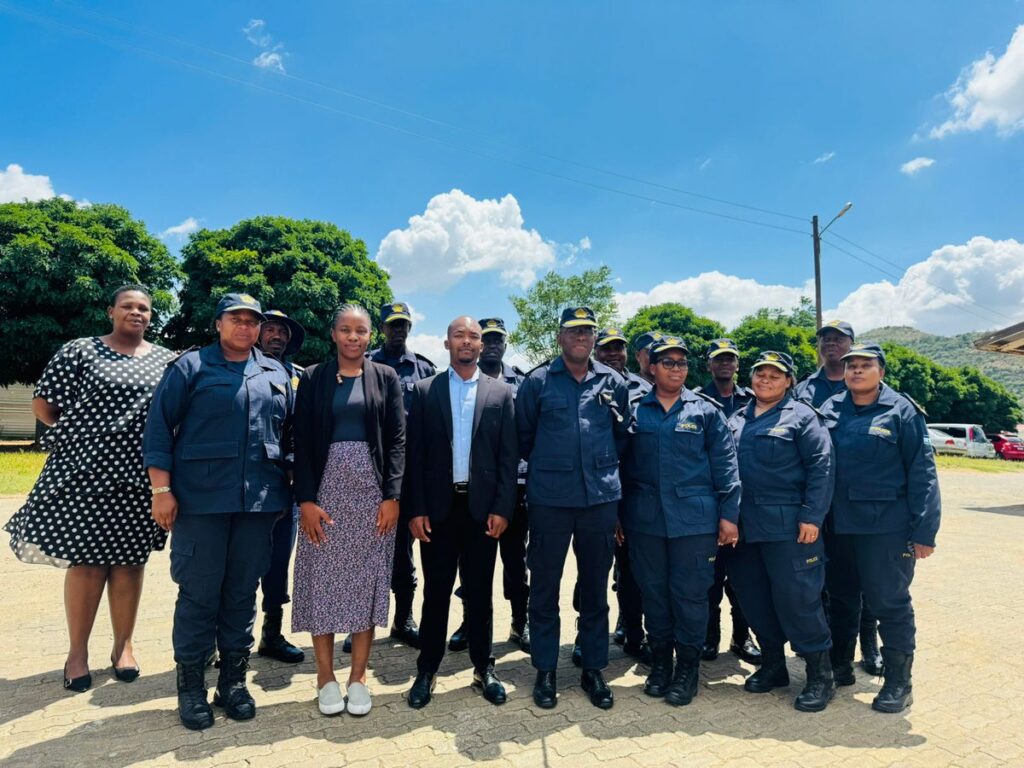
The Lehokela application was partially piloted in the T’sakholo region, although the LMPS module that enabled communication between LMPS and community structures was temporarily suspended. As part of the experiment’s deployment, UNDP Lesotho’s Accelerator Lab conducted training for Community Policing Committees in T’sakholo, Mafeteng District, in early 2020. However, further system deployment was halted due to the focus required to respond to COVID-19. The solution was later revived in 2022-2023, during which the system was upgraded, and police personnel, along with Community Policing Committees received training. The Lehokela mobile application for Android was subsequently deployed on the Google Playstore in April 2024, with an official national launch scheduled for September 2024.
E-SERVICES OUTLET MODEL FOR DIGITAL INCLUSION
UNDP, in collaboration with the Ministry of Information, Communications, Science, Technology, and Innovation, implemented a digital inclusion initiative named the E-Service Outlet Model. This initiative aimed to deliver online services to digitally marginalized groups, including the elderly, people living with disabilities, those lacking digital skills or gadgets, residents of rural and hard-to-reach areas, and individuals within sufficient funds for data vouchers to access online services.
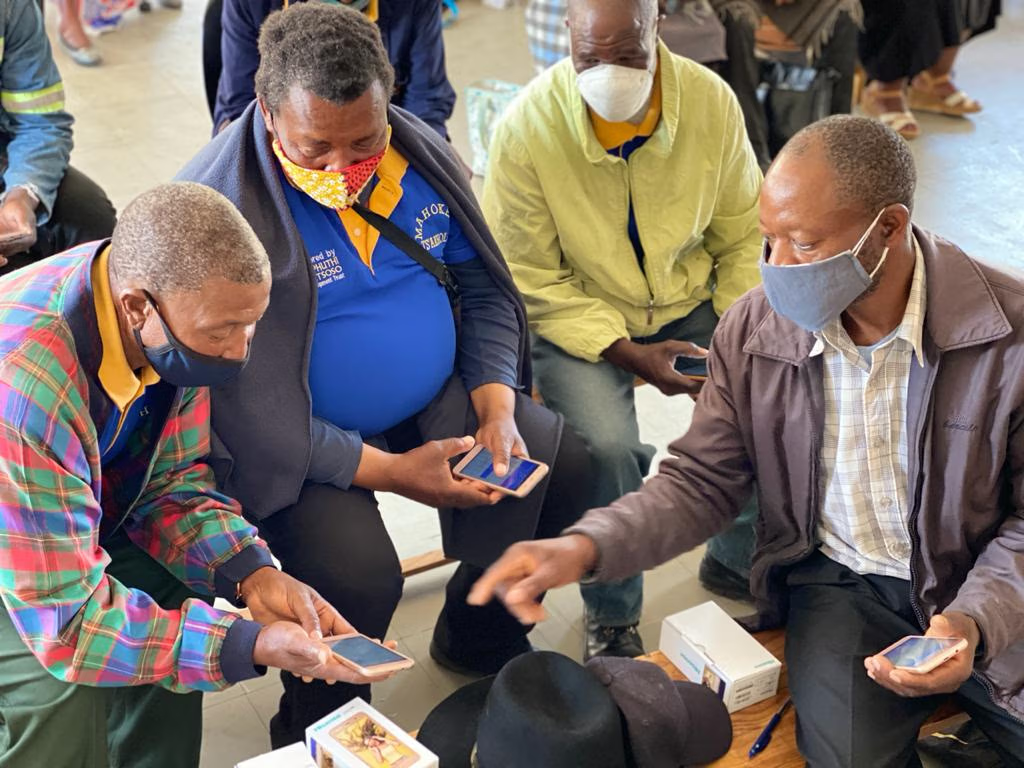
The E-Service Outlet Model fostered partnerships with the private sector to leverage their expertise and resources in enhancing the delivery of services across various entities. Through this model, Micro, Small, and Medium Enterprises (MSMEs), such as mobile money agents and internet and printing shops, which had the necessary skills and technological infrastructure (including internet connection, computers, printers, and scanners), were identified and enrolled for training on existing e-services platforms. This training aimed to equip them to support the delivery of online services to digitally marginalized citizens. The model initially offered e-services from government ministries, academia, and the private sector.
The model was influenced by the 90% data network coverage in the country, where the government extended existing infrastructure and connected hard-to-reach areas with Base Tower Stations offering at least 3G mobile network coverage. The E-Service Outlet Model was designed and implemented in July 2023, enrolling an initial cohort of 38 MSMEs as an experiment. With new insights from the model’s performance, there emerged a need to enroll a second cohort of MSMEs to expand the scope of inclusion. The government had plans to digitize and develop around a thousand e-services starting from 2024. The maturity and sustainability of the model were expected to depend on this pool of e-services, adapting to the scale and diversity of e-services offering modalities found within the E-Service Outlet Model. The model was officially launched by UNDP and the Ministry of Information, Communications, Science, Technology, and Innovation on May 22, 2024, after eight months of operation. A call to enroll a second cohort of MSMEs was planned to be issued before the end of September 2024, with a focus on identifying MSMEs expected to cover rural communities and areas farthest from service provision points.
UNDP and the ministry, in collaboration with e-Service Providers and Outlets, began developing a monitoring and evaluation framework to track progress while identifying challenges that required attention to solidify the model concept. The Ministry of Information, Communications, Science, Technology, and Innovation believed that the e-service outlets model was a smart investment with minimal resources needed to capacitate existing MSMEs in delivering access to e-services. This was compared to the ministry’s planned seven one-stop-shop centers, mostly established in rural parts of the country but unable to function as planned. The ministry was expanding the infrastructure with 48 Base Tower Stations and over a thousand e-services to provide public services online under thee-government project. The E-Service Outlet Model came at the right time to augment government digital initiatives, ensuring that the digital value chain was completed by improving avenues for e-services consumption.
The Ministry of Trade, Industries, and Small Business Development (MTISBD) had two e-services—Company Registration and Business Licensing—operating in parallel without integration. The design and development of these systems were informed by legal frameworks governing the ministry’s processes, which were aligned. The ministry was working towards harmonizing legal frameworks and integrating the two related systems based on evaluations of e-Service Outlets, which highlighted challenges when interacting with MTISBD e-services. The ministry had only two One-Stop-Shop centers in Maseru and Maputsoe, initially planned to expand outreach scope for inclusion. However, due to a lack of resources, the ministry could not expand to all major towns in the country. The ministry subsequently requested an amplification of the e-service outlets model’s coverage beyond 38 outlets across the country to support the two One-Stop-Shop Business Facilitation Centers in Maputsoe and Maseru.
Revenue Service Lesotho (RSL), a key partner in this experiment, believed that the model would assist the organization in expanding its outreach to hard-to-reach locations in the country. RSL also saw the model as an opportunity for MSMEs to expand their revenue streams, including providing services to clients who wished to engage in ownership changes of their property through the VAT11 form process. RSL further believed that participating outlets could potentially be converted to provide all RSL services to clients by becoming brokers, pending a formal request and an assessment of the MSMEs’ capacity to serve in this role.
BOPHELO-KA-MOSEBELETSI DIGITAL PLATFORM
The Bophelo-Ka-Mosebeletsi (BKM) digital platform was an innovation developed in response to the COVID-19 pandemic by the UNDP Accelerator Lab in partnership with the National University of Lesotho (NUL) and Econet Telecom Lesotho (ETL). The platform aimed to strengthen community-based healthcare systems, specifically for Village Health Workers (VHWs), by mapping COVID-19 alerts at the community level to local health facilities. VHWs, comprising community members who volunteered to support and provide linkages to the Ministry of Health, played a crucial role during the pandemic by executing awareness campaigns, monitoring individuals in home quarantine, and reporting real-time data to healthcare facilities on suspected COVID-19 cases.
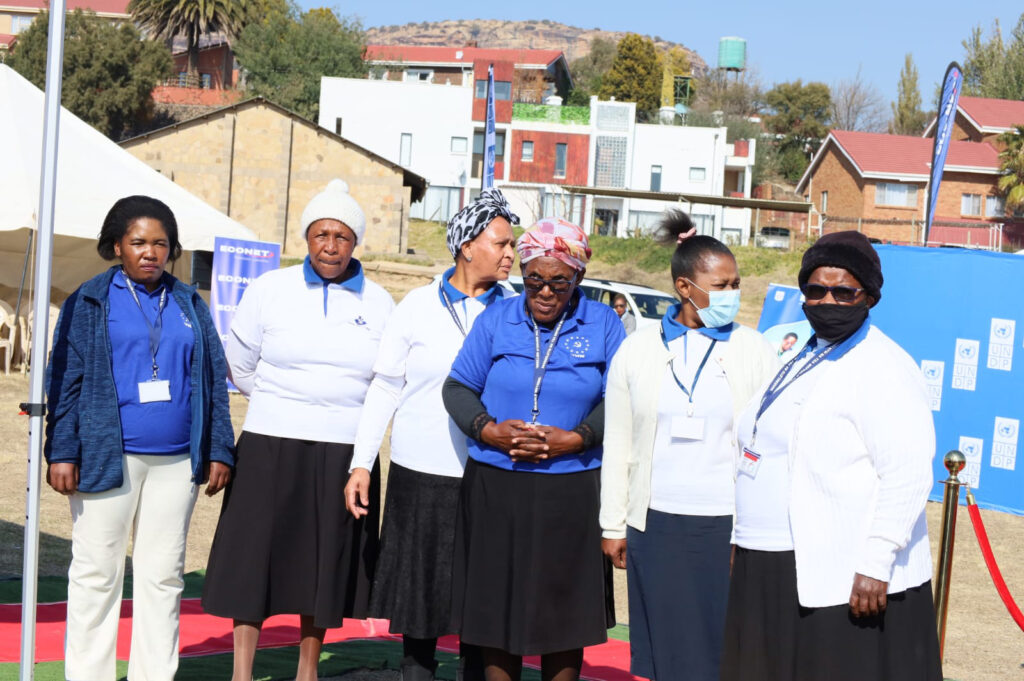
During the pandemic, challenges related to data requirements became apparent, prompting UNDP to partner with NUL and ETL to develop a digital platform that would address these issues. ETL, through a Memorandum of Understanding, supported the initiative by providing free network and internet access through zero-rating the BKM application for use by VHWs and the Ministry of Health. The BKM platform was initially piloted in the Mokhotlong and Quthing districts, enrolling 684 VHWs who were trained and provided with tablet computers. These tablets, procured with a 20% discount from ETL and funded under the Joint UN MPTF COVID-19 Response Project, facilitated access to technology and simplified the use of the application.
Initially, the BKM digital platform focused on executing a single COVID-19 Surveillance Module for data collection and analysis. However, from the outset, BKM was designed to automate all community health processes, enabling the collation and analysis of data and facilitating reporting at the community level. In 2023, UNDP expanded its partnership base to scale the BKM platform, collaborating further with UNICEF and the World Bank to enhance the platform’s technical capabilities. This expansion led to the development of a new version of the platform, incorporating functional requirements for all community health activities.
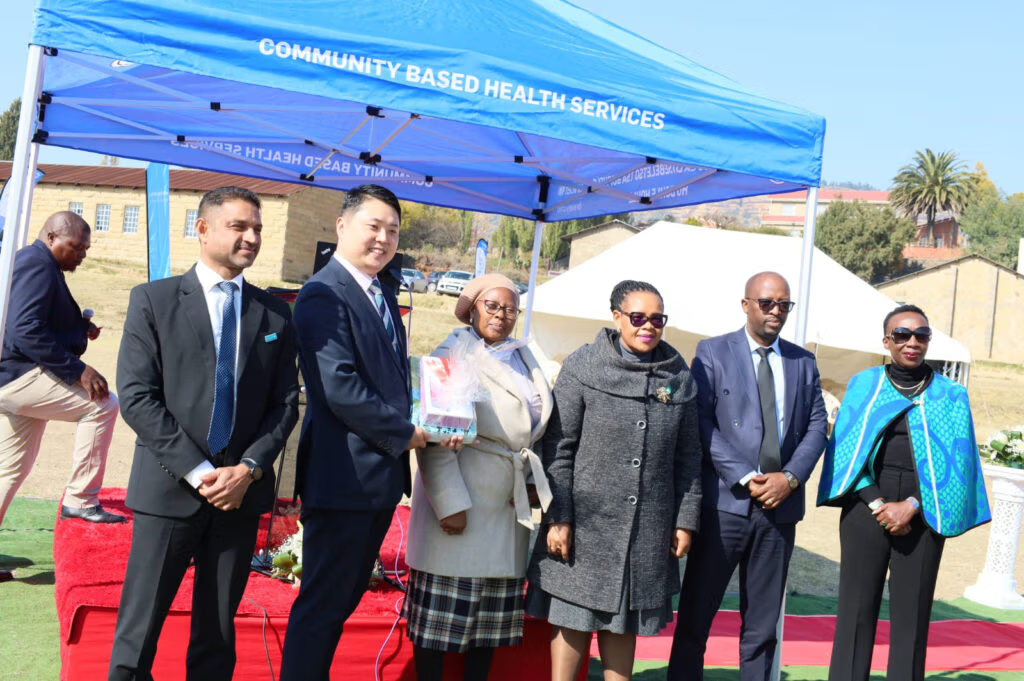
The updated BKM platform integrated over 10 system modules, including the VHWs Programme Management module, Village Health Workers Household Register, Village Health Promotion Logbook, Community Health Register, Village Health Workers Registry, Under-Five Register, Maternal Health, Village Health Workers Stock Card Manager, Combined COVID-19 and TB Detection register, Nutrition and Environmental Health, and Risk Communication and Community Engagement (RCCE) for COVID-19 and other health-related issues. With additional funding from UNICEF ($550,000) and the World Bank ($1,250,000), procurement for 8,000 gadgets was initiated, enabling the training and enrollment of all 9,265 Village Health Workers into the BKM digital platform, supporting all 274 healthcare facilities in the country.
The scaling of BKM had significant impacts. Village Health Workers were the primary beneficiaries, as they were allowed to use the tablet computers for personal purposes as compensation for their voluntary engagement. Prior to BKM, VHWs were required to submit weekly reports to healthcare facilities using their own resources, often incurring significant travel costs. The deployment of BKM saved each VHW residing closer to a healthcare facility a minimum of M256.00 (approximately $17.00) in travel costs over three months, while those farther away saved up to M1024.00 (approximately $69.00). This was a considerable amount of money saved, especially in Lesotho, where 56% of the population lives on a budget of $1.25 per day.
BKM also strengthened human resource management within the Primary Healthcare Unit. Previously, there was no proper documentation of Village Health Workers, making it difficult to trace communities with active or non-active VHWs. The Key Performance Indicators used in the BKM platform provided the Ministry of Health with evidence of the day-to-day activities performed by each VHW, ensuring that stipends, when available, were efficiently paid to the right personnel.
The insights gained from the BKM experiment also led to a revision of national health regulatory frameworks. BKM demonstrated the potential for digital technologies to be used by Village Health Workers, and the positive feedback from the pilot districts of Mokhotlong and Quthing highlighted the appreciation for digital technologies among VHWs. This led to the inclusion of community health data within health sector guiding frameworks and prompted a revision of the e-Health Strategy to incorporate community health elements, particularly those related to the activities of the Village Health Workers Unit.
The Ministry of Health also revised the Primary Healthcare Policy, which governs the activities of the Village Health Workers unit. The policy revisions included changes to the program management and VHWs recruitment processes, such as raising the minimum academic requirement for VHWs from “No Education requirement” to “Grade-10 or Form-C.” The age requirement was also adjusted, lowering the maximum age to 65 from no age limit. Observations from the rollout of the experiment indicated that some VHWs were over 80 years old, had no formal education or digital skills, and faced challenges using digital technologies, such as eyesight issues due to advanced age.
The BKM experiment further encouraged the proposal to develop a Community Health Strategy and Policy. As part of the scale-up, and in collaboration with UNICEF, the ministry endorsed BKM as the ultimate Community Health Information System (CHIS) to be integrated into the District Health Information Software 2 (DHIS2) to cover all community-based services. The new policy would ensure that all development partners collaborate and utilize BKM as the unified community-based digital tool for data collection and analysis. This would require all health sector development partners to merge efforts earmarked for digital support in the community, with any new digital development proposals focused on reviewing existing digital needs and advocating for updates or upgrades to the existing BKM platform.
The Local Suppliers Development Programme (LSDP) / Green Value Chains (GVC) Project
From 2020 to 2024, the Local Suppliers Development Programme (LSDP), initiated by the Green Value Chains (GVC) Project, made significant strides in enhancing local agricultural productivity and building capacity among farmers in Lesotho. These initiatives supported the implementation of the National Strategic Development Plan II (NSDP II) while also advancing King Letsie III’s role as the AU’s champion for nutrition by commercializing agriculture. The focus was on horticulture, poultry, piggery, and beekeeping to create jobs, improve food security, and reduce import dependency.
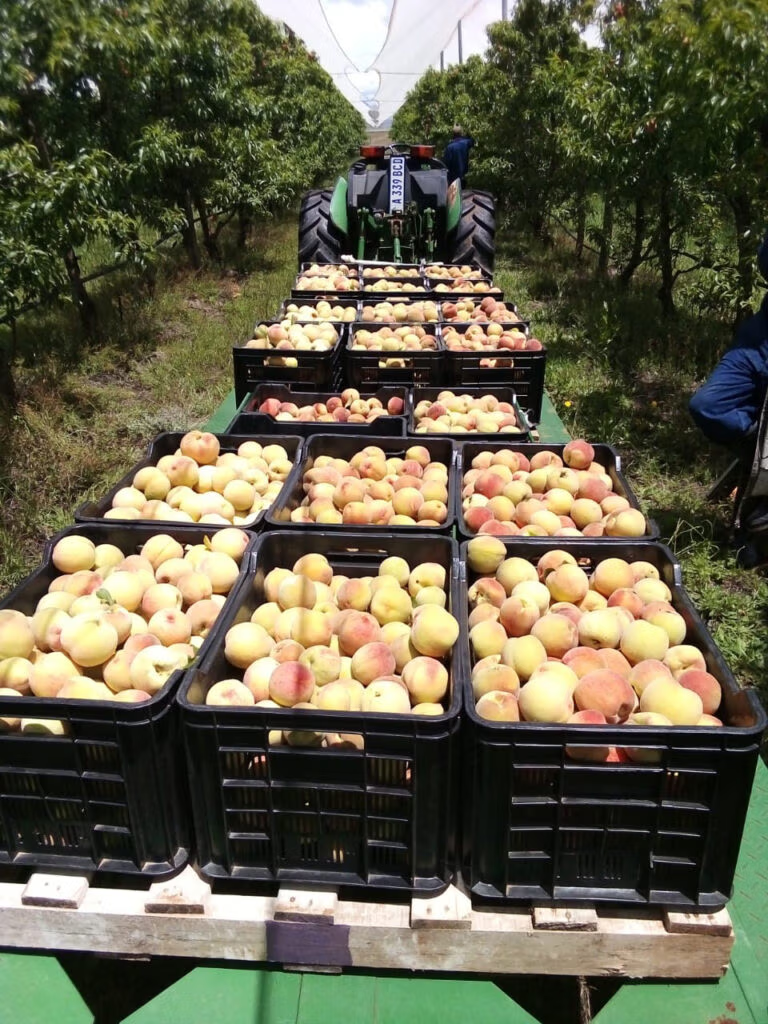
The LSDP aimed to strengthen business management, quality management systems, and productivity among local suppliers; facilitate local producers’ entry into domestic and potential export markets; enhance local competitiveness through quality standards; promote the formalization and growth of micro, small, and medium enterprises (MSMEs); and optimize access to financial resources for local producers. Key components and activities included the Farm Assurance Program, which partnered with the Global GAP Academy to train farming experts in Good Agricultural Practices (GAP) and international food safety standards. The program certified and mentored 50 domestic farm assurers, with 15 receiving additional mentorship. Farm assessments were conducted on 121 beneficiary farmers, including detailed GAP analyses on 70 farms, evaluating them based on site suitability, water sources, record-keeping, use of plant protection products, and hygiene facilities.
The project achieved notable impacts: 50 farmers were certified by Global GAP and began providing technical support to other project beneficiary farms. The Marakeng App, a digital marketplace linking farmers to markets, was adopted by 512 farmers, 3 traders, and 2 logistics companies, resulting in 37 total sales. A total of 173 farmers were trained in beekeeping, horticulture, livestock management, and the adoption of GAP and food safety based on Global GAP standards. Farm assurers assessed 70 horticulture and livestock farms, with 24 farms found to be credit-ready. Market linkages impacted 93 farmers, including 57 women, through connections to local and district markets. A mentorship program enrolled 27 farmers, focusing on business development and management, developing business plans for 8 farmers, securing a commercial loan for 1 farmer, completing financial proposals for 4 farmers, and maintaining monthly subsidiary books and records for 4 farmers. Financial awards of $8,800 and $2,180 were granted to two farmers for farm compliance and audit services for Global GAP certification.
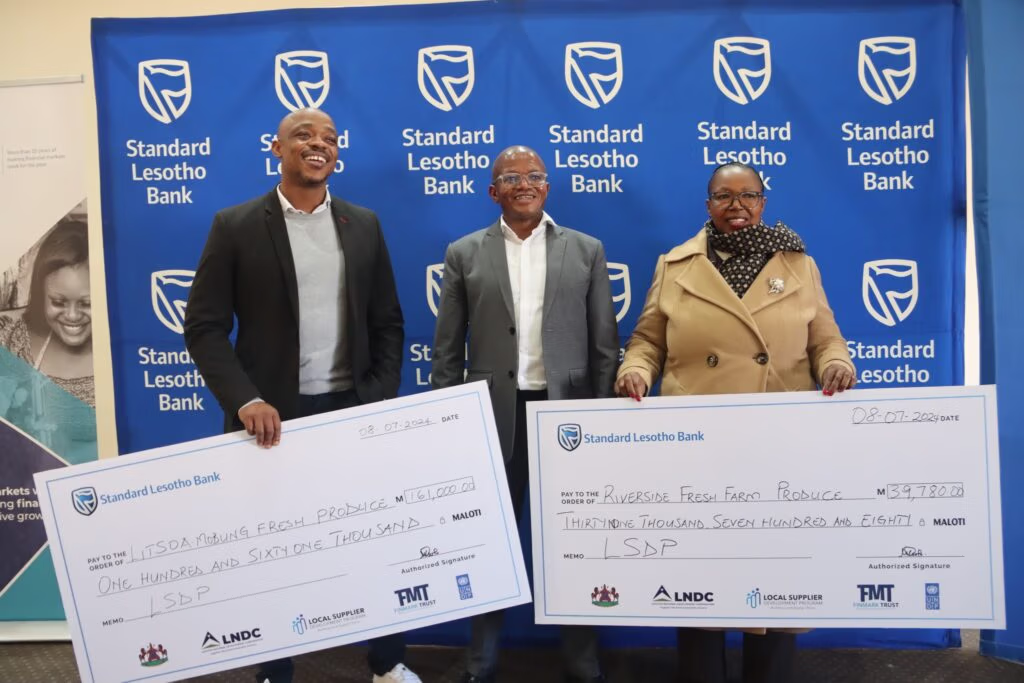
The project was implemented across 8 districts: Berea, Leribe, Maseru, Mafeteng, Mohale’s Hoek, Mokhotlong, and Qacha’s Nek. Litsoamobung Fresh Produce, established in 2014 with a 50-hectare farm, received an $8,800 award for implementing Global Good Agricultural Practices (GAP), enhancing productivity and market reach through comprehensive capacity building and technical assistance from the LSDP/GVC program. They achieved Global GAP Certified Farm Assurance/Trainer status, participated in a mentorship program, penetrated international markets, secured local partnerships, obtained finance for the 2023/24 production plan, and gained in-depth knowledge of Global GAP standards. Riverside Fresh Farm Produce, also established in 2014, received a $2,180 award for implementing Global GAP and benefited immensely from the standards and production programs.
Looking ahead, the LSDP began its second phase, focusing on poultry production in line with NSDP II to increase domestic production, reduce imports, and improve the livelihoods of beneficiaries. The LSDP/GVC initiative laid a strong foundation for future growth and sustainability in Lesotho’s agricultural sector. By continuing to build capacity, enhance competitiveness, and facilitate market access, the program aimed to foster a resilient and prosperous agricultural landscape in Lesotho, contributing to the nation’s development priorities and advancing the achievement of the Sustainable Development Goals (SDGs), namely SDGs 2 (Zero Hunger), 3 (Good Health and Well-Being), and 8 (Decent Work and Economic Growth). Through strategic partnerships between UNDP, Lesotho National Development Corporation (LNDC), Standard Lesotho Bank (SLB), Finmark Trust (FMT), and implementation with the Ministry of Agriculture, Food Security and Nutrition (MAFSN) and Ministry of Trade, Industry and Business Development (MTIBD), the project was committed to driving forward progress and ensuring that Lesotho’s agricultural sector thrived, supporting the livelihoods of its people and contributing to the nation’s overall economic growth.
UNDP’s Transformative Youth Initiatives in Lesotho
UNDP achieved significant milestones in youth initiatives in Lesotho. One of the key accomplishments was conducting a comprehensive mapping of youth organizations in the country, which identified over 700 youth-led community organizations. It was discovered that more than 60% of these organizations were engaged in income-generating activities, though the specific sectors were not defined. This exercise highlighted a critical need for mentorship to ensure steady business growth, contribute to the economy, and reduce unemployment rates.
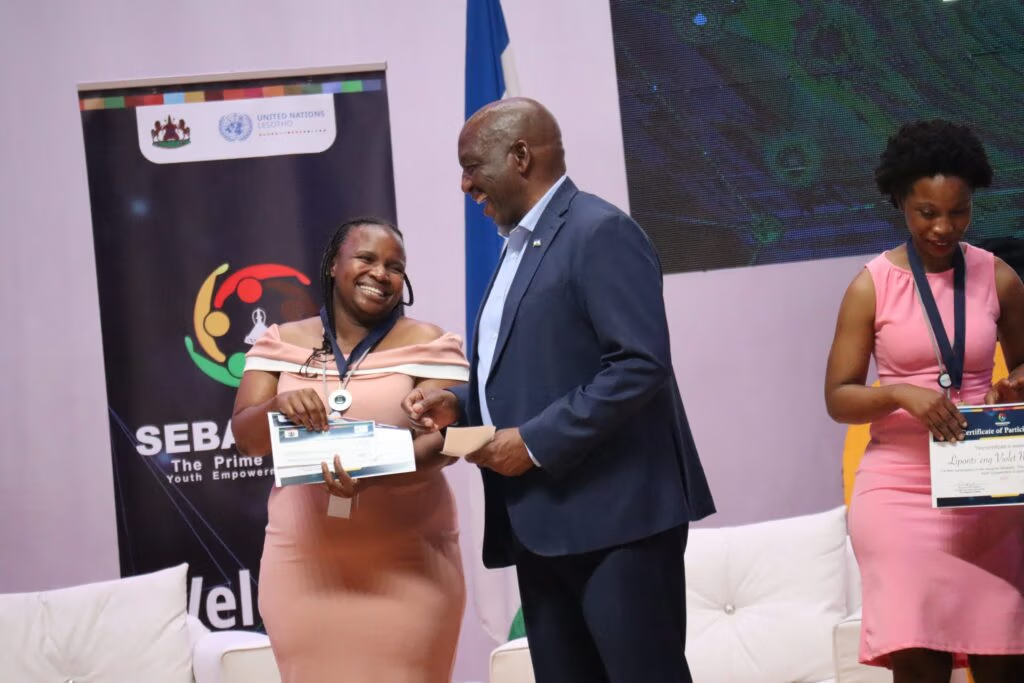
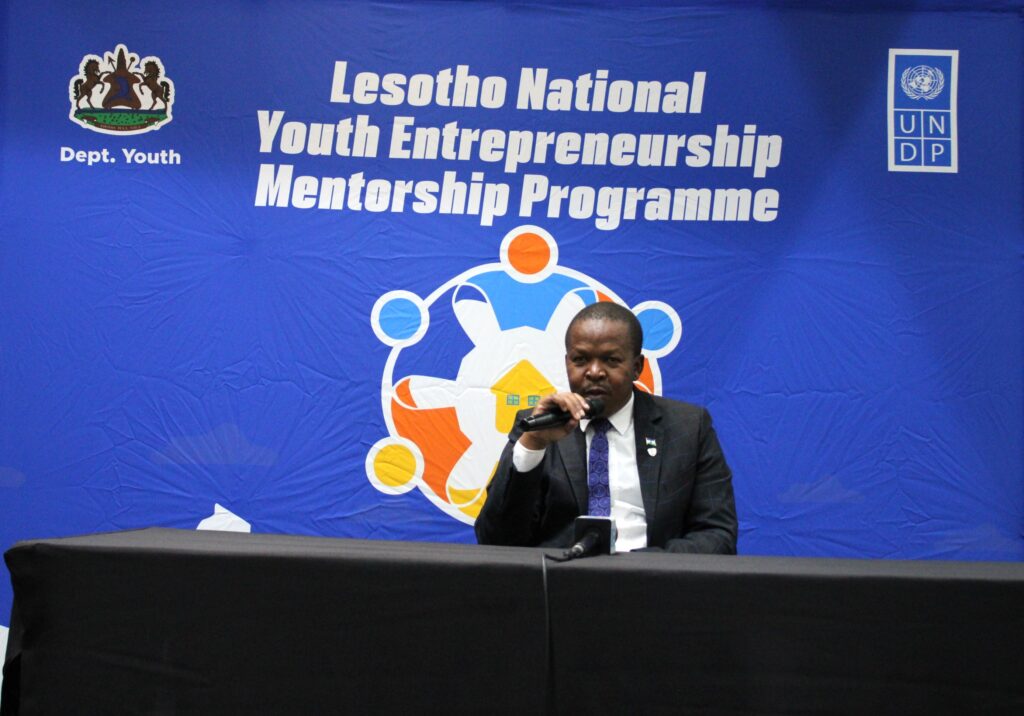
In response, UNDP launched the Lesotho National Youth Entrepreneurship Mentorship Programme (LNYEMP), grounded in the National Youth Policy of 2017 and its implementation plan. The program aimed to provide guidance and support to young people interested in enterprise development through various forms of mentorship, including incubation, acceleration, training workshops, coaching, matching mentees with mentors, internships, apprenticeships, volunteering, and fellowship programs. Stakeholders were engaged to develop a standardized national mentorship program that encompassed diverse approaches under one umbrella. The program registered 243 youth and 45 mentors and was designed with several key steps: recruitment through advertisement, a structured selection process, stakeholder engagement to clarify roles and responsibilities, agreement on terms of work, matching mentees with suitable mentors, commencement of mentorship engagements, and ongoing monitoring and evaluation by MGYSR. Financing models for the program were developed across various sectors, including the public sector, private sector, vocational and academic institutions, and community members.
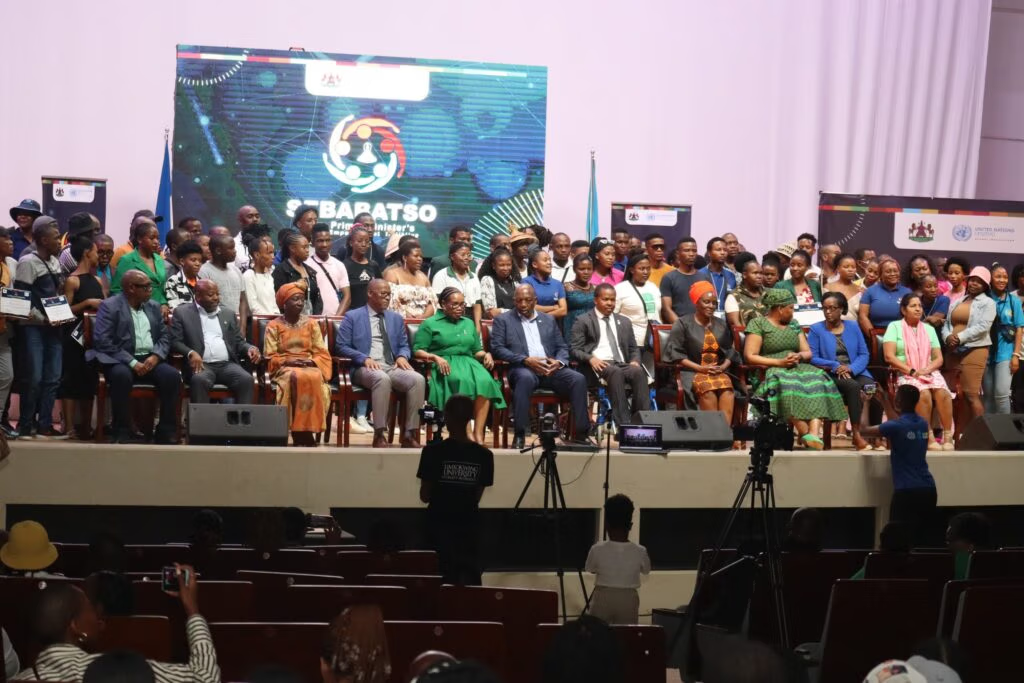
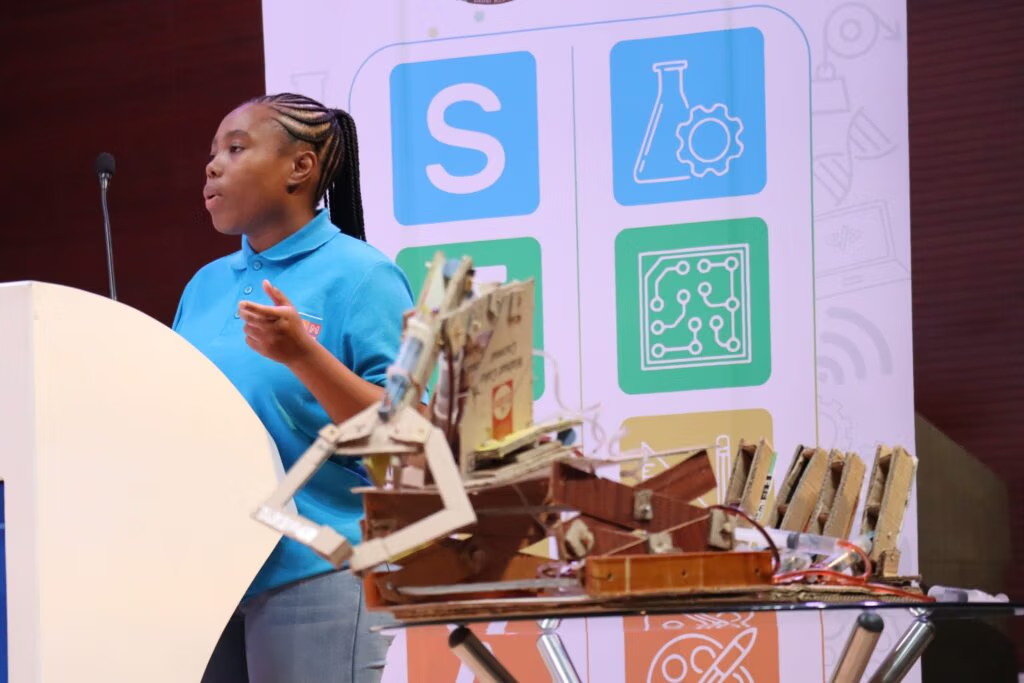
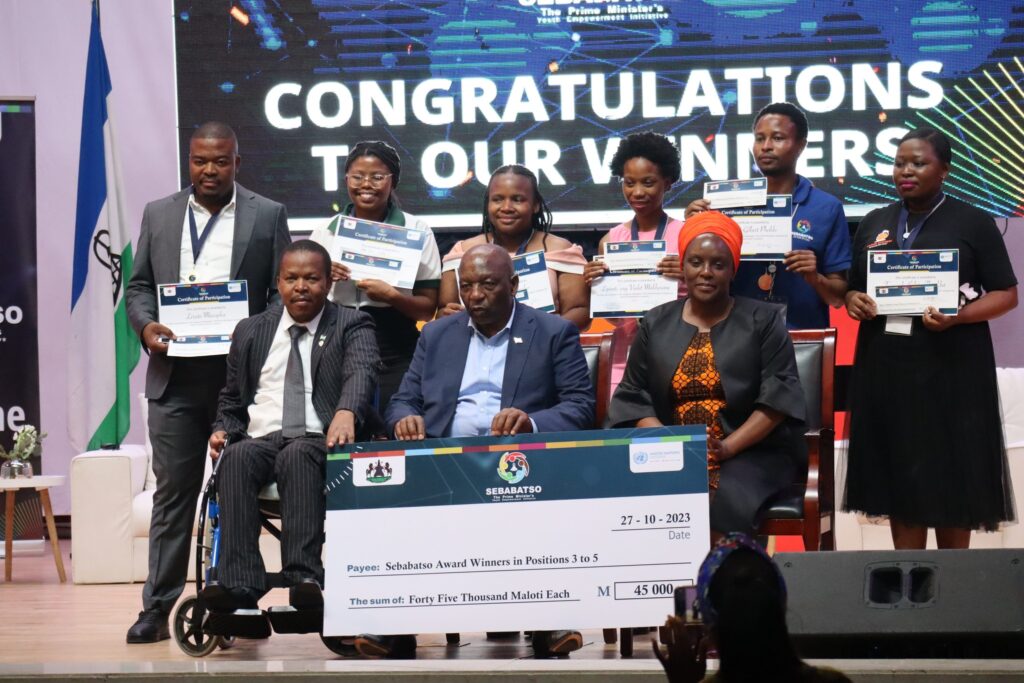
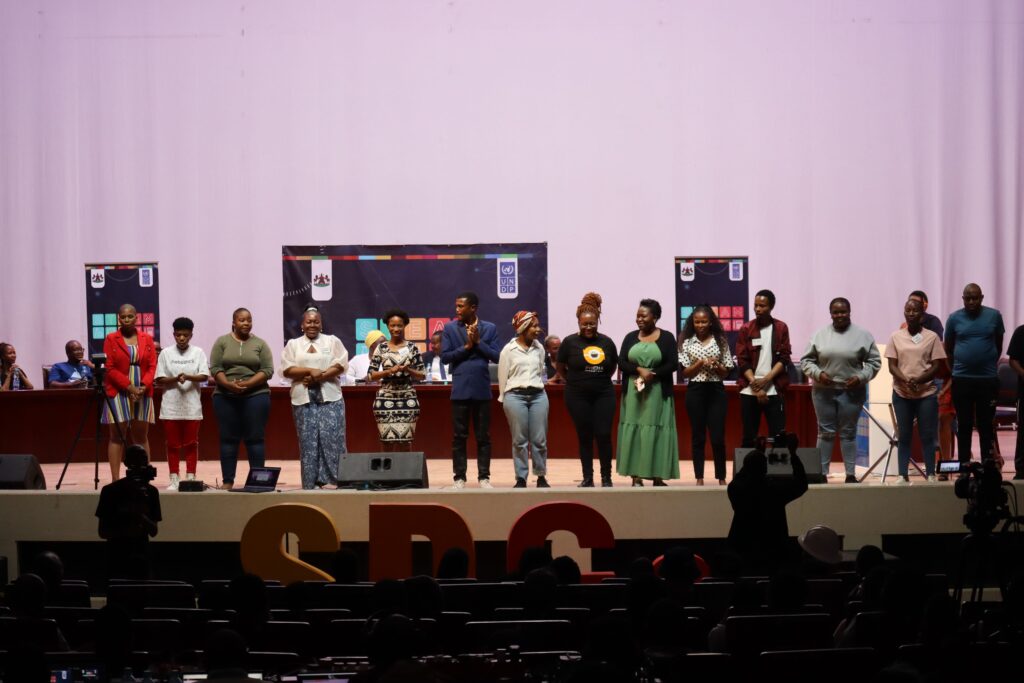
UNDP also collaborated with the Ministry of Gender, Youth, and Social Development and the Ministry of Information, Communications, Science, Technology, and Innovation under the STEAM Initiative. This initiative was aligned with the Lesotho National Research and Innovations Policy to strengthen local innovation and technological capabilities. The collaboration enhanced cooperation between the government, academia, industry, and society, promoting local and grassroots innovations for sustainable development. The Lesotho STEAM Conference 2023 was organized under the theme “Enhancing Equity and Equality in the Kingdom of Lesotho through Science, Technology, Engineering, Arts, and Mathematics (STEAM): ‘Lesotho STEAMing’.” The conference was linked with existing public and private initiatives for promoting and mobilizing local innovations and creative capacities, such as the Lesotho Science Fair Competitions, private hackathons, and the Innovation Expoof the NUL Innovation Hub. It was anchored on the Lesotho University Innovation Pod (Lesotho UniPod) to foster creativity and innovations, leveraging emerging youth capabilities in technology to catalyze development transformation. The conference provided a platform for showcasing Lesotho’s capabilities in science and technology, innovations, and engineering, inspiring the growth of relevant solutions for Lesotho. It also created a corridor for Lesotho’s innovations to reach the world by linking to regional platforms such as Youth Connekt Africa (YCA).
UNDP supported the Ministry of Gender, Youth, and Social Development in becoming the 33rd member of Youth Connekt Africa and assisted in developing a National Youth Strategy to align with the youth policy and the NSDP II extension. Additionally, UNDP facilitated youth attendance at various international forums to learn, share experiences, and expose them to youth activities in different countries. This included supporting youth from STEAM to attend the BRICS summit in South Africa and a Youth Conference in Addis Ababa, promoting learning, networking, and motivation. The top five participants from STEAM attended Youth Connekt Africa in Kenya, offering them exposure to opportunities and networking with other youth from across Africa.