
Introduction
Since the first cases of HIV were reported 40 years ago, globally 88.4 million people have become infected with HIV and 42.3 million have died from AIDS-related illnesses. Since it started operations in 1996, UNAIDS has led and inspired global, regional, national and local leadership, innovation and partnership to ultimately end AIDS as a public health threat. In Lesotho, UNAIDS started its operations in 2003.
UNAIDS places people living with HIV and people affected by HIV at the centre of designing, delivering and monitoring the AIDS response. UNAIDS has helped to position, shape and scale up the response to HIV, encouraging dialogue and bringing in communities that have been left out of decision-making. Without UNAIDS, the human rights of people living with HIV would have been held back and the voice of civil society would be heard far less often. It charts paths for countries and communities to end AIDS as a public health threat and through high-level advocacy, partnerships and community engagement, UNAIDS supports legal and policy reform to protect rights, address inequalities – such as gender inequality – and tackle the barriers that are holding back ending AIDS.
UNAIDS facilitates strategic direction, advocacy, coordination and technical support needed to catalyse and connect leadership from government, communities and development partners to deliver life-saving HIV services. It supports generation of strategic information and analysis that increases the understanding of the state of the AIDS epidemic and progress made at different levels. It has mobilized investment for sound national policy using evidence, experience and political advocacy, contributed to building health and community systems, supported in establishing legal frameworks and shaped public opinion towards creating healthy and resilient societies.
The formation of UNAIDS was a landmark in the evolution of AIDS coordinating bodies. Comprising 11 UN entities, UNAIDS set the precedent for collaborative global action, leveraging the multisectoral expertise, implementation capacity and in-country presence of its UN Cosponsors to drive results in the HIV response. It is also the only United Nations entity with civil society represented on its governing body.
The National HIV Response in Lesotho
Lesotho’s HIV prevalence in 2023 was estimated at 18.5% in adults 15-49 years with higher prevalence among women at 23.5% compared to men at 13.4%. HIV incidence was 0.5% in adults 15-49 years and 0.3% in all ages; corresponding to 4,800 new HIV infections annually. Lesotho has the second highest HIV prevalence in the world, with approximately 270,000 people living with HIV in 2023.
The current national HIV response is guided by the Lesotho National HIV Multisectoral Strategic Plan (2023–2028) and the Joint TB/HIV Health Sector Strategic Plan (2023–2028). The strategies commit to transforming the HIV response to a more sustainable response that also reduces inequalities. The strategies also commit to strengthening systems for health and social protection to reduce inequalities and improve access to essential services for people living with, at risk of, or affected by HIV, TB and STIs.
Lesotho has made notable progress in its HIV response, reaching the UNAIDS 90 – 90 – 90 treatment targets in 2020. By December 2023, Lesotho’s progress on the 95 – 95– 95 treatment targets was 95 – 94 – 98, with 95% of people living with HIV knowing their status; 94% of those who know their status on treatment; and 98% of those on treatment virally suppressed. Almost 242,000 people were receiving lifesaving antiretroviral therapy in 2023, a public health success that has reduced annual AIDS-related deaths to low levels of 4,000 from a peak of 18,000 in 2004.
The country has also made significant progress in reducing new HIV infections, declining from peaks of 35,000 annually in 1995 to 4,800 in 2023, translating to an 85% decline. Midway to the 2025 milestone set at the United Nations General Assembly in June 2021, the national HIV response has moved closer to the goal of ending AIDS as a public health threat by 2030, a commitment enshrined in the Sustainable Development Goals.
On elimination of vertical transmission of HIV, Lesotho has also made progress with vertical transmission rate of 5% in 2023, declining from 15% in 2010.
Currently, the main sources of HIV funding are the Government of Lesotho, United States Government through the President’s Emergency Plan for AIDS Relief (PEPFAR), The Global Fund to Fight AIDS, Tuberculosis and Malaria with a modest financial contribution from the United Nations. The external funding sources are estimated to contribute between 60 to 70 percent of total HIV financing, though Government finances 70% of all ARVs.
UNAIDS’ Contribution to the National HIV Response
Shaping Global and National HIV Responses
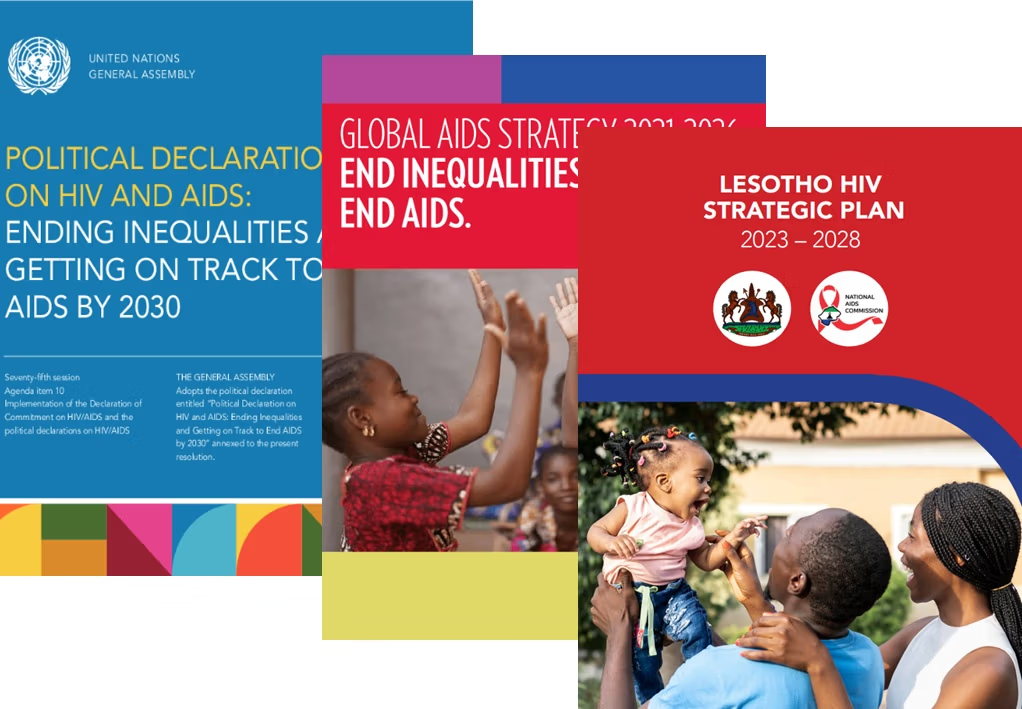
The Global AIDS Strategy 2021–2026 guides the global response aligned to the 2021 Political Declaration on HIV and AIDS: Ending Inequalities and Getting on Track to End AIDS by 2030. These documents aim to reduce inequalities that drive the AIDS epidemic and prioritize people who are not yet accessing life-saving HIV services. UNAIDS supports the Government of Lesotho in development of National HIV Strategic Plans, aligned to the Global AIDS Strategy and the Political Declaration. UNAIDS has supported development of the country’s five national HIV strategic plans, with the latest one being the Lesotho National HIV Multisectoral Strategic Plan (2023–2028). This has been one of the key efforts of UNAIDS in shaping national HIV responses and ensuring alignment with such initiatives as the “Three-Ones” principles offered to countries as a basis for optimizing roles and relationships in the fight against HIV. The principles are premised on having one agreed AIDS action framework; one national AIDS coordinating authority; and one agreed country-level monitoring and evaluation system. The one agreed AIDS action framework is the national HIV strategy, of which all partners including the President’s Emergency Plan for AIDS Relief (PEPFAR), The Global Fund to Fight AIDS, Tuberculosis and Malaria align their support and programmes. Through its advocacy and policy direction over the years, UNAIDS has inspired the world and countries to end AIDS as a public health threat, with such appealing and ambitious targets as 90 – 90 – 90 adopted by countries including Lesotho.
The UN’s support to the National HIV Response is also guided by the National HIV Strategic Plan and aligned to the Unified Budget, Results and Accountability Framework (UBRAF). The UBRAF is UNAIDS’ instrument to maximize coherence, coordination and impact of the UN’s response to AIDS by combining the efforts of the UN Cosponsors and UNAIDS Secretariat.
Galvanizing Political Commitment
The purpose of UNAIDS is to achieve a unified, multisectoral and coordinated response to an epidemic with dramatic health, social, economic, and human rights dimensions. UNAIDS galvanizes political commitment and from the onset advocated for stronger top-level political leadership against the epidemic, where in several countries the national HIV response is situated in the Head of State or Government’s Office. To facilitate this leadership and emphasize the multisectoral nature of the response, National AIDS Coordinating Authorities (NACAs) were established as semi-autonomous coordinating bodies with mandates to coordinate multisectoral HIV-related activities. Reporting to the political executive occurred either directly or via ministries of health, and in Lesotho’s case the National AIDS Commission reports directly to the Office of the Prime Minister. The “Three-Ones” principle introduced in the mid-2000s further boosted effective coordination of resources and partnerships, where one of the principles called for one national coordinating body. Over the years, UNAIDS has worked with the NAC for effective multisectoral coordination, providing direct institutional support, establishing and strengthening of coordination structure, facilitating engagement of affected communities in the response and policy and strategy direction. UNAIDS also provides platforms for NACs to share experiences and for south-south learning. This is through HIV Leadership Forum for example. Overall, the NAC has emerged as a crucial entity responsible for monitoring the epidemic, developing strategic responses, facilitating international cooperation and resource allocation, strengthening community action, and coalescing multi-stakeholder and multisectoral investments.
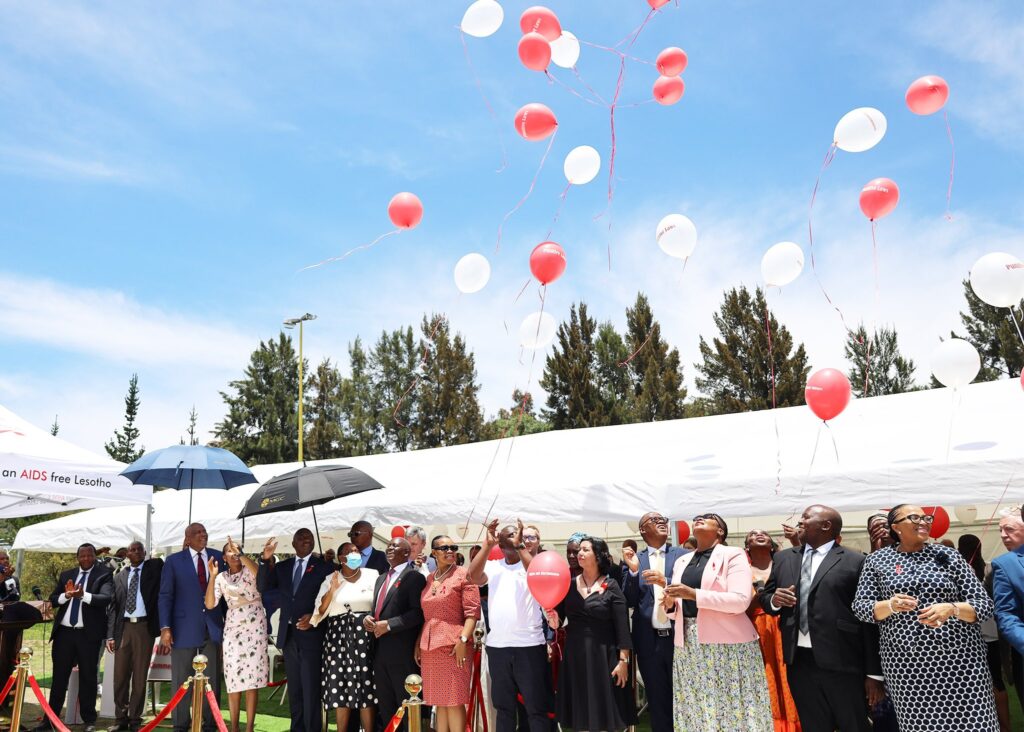
Political commitment is also galvanised through national Political commitment is also galvanized through national commemoration of World AIDS Day on the 1st of December. For Lesotho, UNAIDS plays a critical role in the planning and financing of the national commemoration and has also supported district or organization-level commemorations. The keynote speaker at the national commemoration is and has always been His Majesty King Letsie III, showing the highest level of political commitment to the HIV response.
Mobilizing Resources and Making the Money Work
UNAIDS plays a key and significant role in mobilisation of financial resources for the national HIV response, and specifically through The Global Fund to Fight AIDS, Tuberculosis and Malaria.
The Global Fund is a partnership, based on the core principle that everyone involved in the response to AIDS, tuberculosis and malaria needs to be involved in the decision-making process. This includes technical agencies and development organizations such as UNAIDS, who play a crucial role in the Global Fund model. UNAIDS supports with technical expertise, resource mobilization and advocacy efforts, supporting country coordination structures, assisting with representation and stakeholder engagement and broadly monitoring and evaluating of Global Fund-supported programs. To date, Lesotho has successfully mobilised and received from The Global Fund close to US460 million for HIV and TB, with the bulk of the funding for HIV.
UNAIDS also works closely with the President’s Emergency Plan for AIDS Relief (PEPFAR), which significantly contributes to the HIV. In addition to bilateral engagement throughout the PEPFAR programme implementation, together with other partners UNAIDS participates in annual and bi-annual PEPFAR Country Operational Planning (COP). UNAIDS contributes through provision of strategic information which helps direct PEPFAR targets and providing strategic guidance and inputs in PEPFAR’s programmes. UNAIDS is working closely with PEPFAR in supporting the government in defining a sustainable path for the HIV response. Through this work, UNAIDS is supporting the government in fostering open and honest dialogue on the future of the HIV response, the transformations needed to ensure that the response is not in danger of putting millions of lives and livelihoods at risk ensuring the financing commitments needed for scale, impact and sustaining the response.
Strategic Information Generation and Analysis
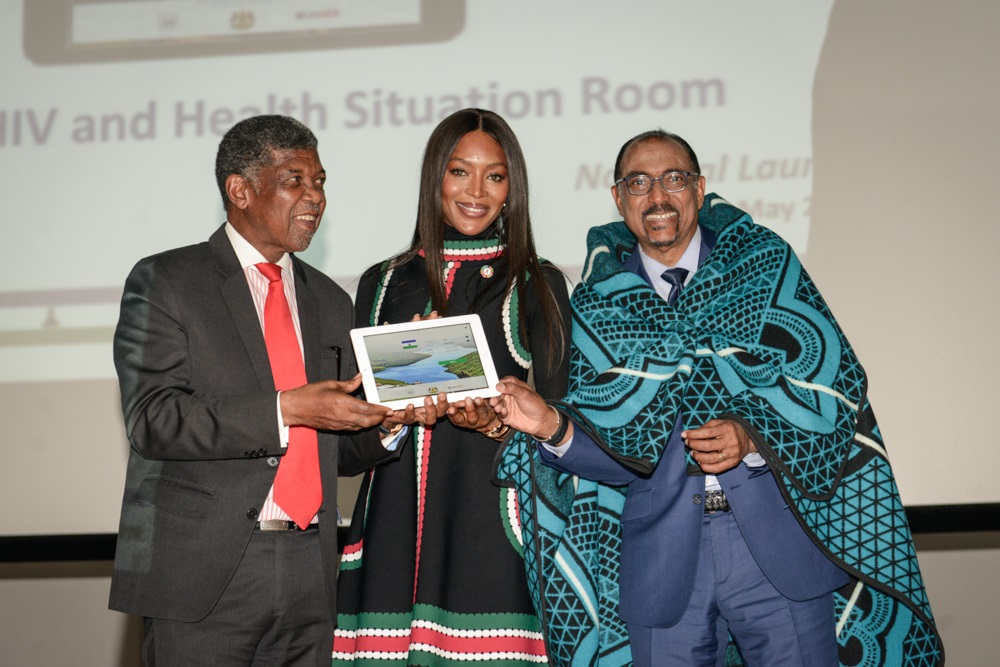
Since inception in 1996, UNAIDS has invested in strengthening the collection, analysis and dissemination of HIV data, helping programmes to reach the right people in the right place and at the right time. Under a mandate from the United Nations General Assembly, UNAIDS works with all countries to collect and analyse data on their AIDS responses and to help build the capacity to generate and use strategic information. Having high-quality data on the AIDS response has enabled ambitious, measurable and time-bound targets to be set for tracking progress and ensuring accountability. Through its institutional tool i.e. SPECTRUM countries including Lesotho have been capacitated and supported in its use since the early 2000s. SPECTRUM uses mathematical models to predict and measure the HIV epidemic and impact of the response because it is impossible to count the exact number of people living with HIV, people who are newly infected with HIV or people who have died from AIDS related causes in any country over time. The tool has also helped in planning and setting targets for such indicators as pregnant women in need of PMTCT services and adults and children living with HIV in need of ART. UNAIDS has also supported in strengthening health information systems including institutionalisation of data quality assessments for key HIV indicators and participatory and decentralised target setting for key HIV indicators. UNAIDS has supported enhanced data use from health information systems, with data visualisationand real-time access and use by decision and policy makers but most importantly by programme managers. UNAIDS supported the launch of a Health and HIV Situation Room, by the UNAIDS Executive Director and the acting Prime Minister.
UNAIDS has financially and technically supported several data gathering exercises for a deeper understanding of the epidemic and response, and these include National AIDS Spending Assessments (NASA) which is a comprehensive and systematic resource tracking method that describes the financial flow, actual disbursement and expenditures for HIV/AIDS; The People Living with HIV (PLHIV) Stigma Index which is a standardized tool to gather evidence on how stigma and discrimination impacts the lives of people living with HIV; Modes of Transmission Model (MOT) which is a static mathematical model that predicts the annual distribution of new HIV infections acquired by different risk-groups – often referred to as the current ”source of HIV infections.” UNAIDS has also technically contributed to other national data gathering exercises which include the Integrated Biological and Behavioural Surveillance Surveys (IBBSS) aimed at understanding the prevalence of HIV and STI, sexual risk behaviours and vulnerability to HIV infection and the coverage of HIV services in key populations; The Lesotho Population-based HIV Impact Assessment (LePHIA 2020) aimed at measuring the impact of the national HIV response; Legal Environment Assessment, an assessment that reviews laws and policies based on human rights considerations and support their reform and capacity strengthening for an enabling legal environments for effective HIV responses.
Expanding prevention, testing and treatment services and ending inequalities
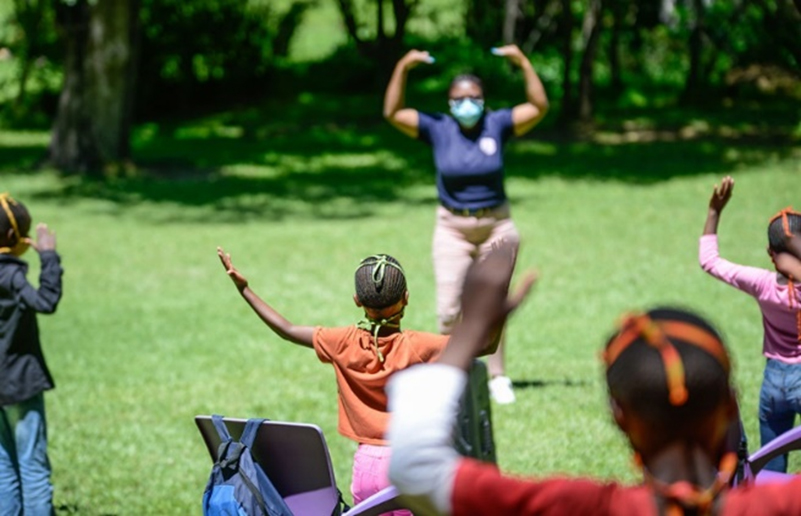
On HIV prevention, UNAIDS has worked through the Ministry of Health established technical working groups, with direct support over the years for specific HIV prevention initiatives. Support has been provided in the development of different editions of guidelines for Voluntary Medical Male Circumcision (VMMC) and Pre-exposure Prophylaxis (or PrEP) for example. Lesotho is one of 40 focus countries of the Global HIV Prevention Coalition. The coalition works to accelerate progress on HIV prevention with a particular focus on countries where numbers of new HIV infections are highest or where they are rising. UNAIDS has supported the country in the assessments and development of roadmaps paving the way to intensify HIV prevention efforts to end the AIDS epidemic. UNAIDS has also contributed to the adoption, national scale-up and strengthening of Comprehensive Sexuality Education (CSE) in the country, mainly involved in review of relevant policies, curriculum and teacher training and inspection material. Intense advocacy and continual engagement with members of parliament led to the enactment of the Counter Domestic Violence Bill of 2021, to strengthen the policy environment for GBV and HIV response.
The availability of ARVs for treating HIV sparked a global movement demanding affordable access to treatment for all people living with HIV. Price and patent negotiations led to agreements that allowed some countries to manufacture or purchase ARVs at reduced prices and UNAIDS played a part in this through advocacy at global level. At country level, UNAIDS has contributed to HIV testing and counselling and treatment services, through advocacy for rapid adoption of new technologies and/or new WHO guidelines.
Through this advocacy for example, in April 2016, Lesotho became the first country in Africa to launch “Test and Treat,” ensuring that all those who test HIV positive are immediately initiated on treatment. Valuable contributions to the decentralization and Differentiated Service Delivery (DSD) of HIV services, aimed at improving access and strengthening the quality and efficiency of services have also been made mainly through contributions in the development of different editions of HIV Testing Services and Antiretroviral therapy (ART) guidelines. UNAIDS has contributed to guidance at the establishment of community ART groups, vibrant people living with HIV support groups easing clinic visits through members taking turns for drug pick-ups at facilities. This mechanism has now been mirrored by the multi-month dispensing of ARVs improving access and adherence to HIV treatment.
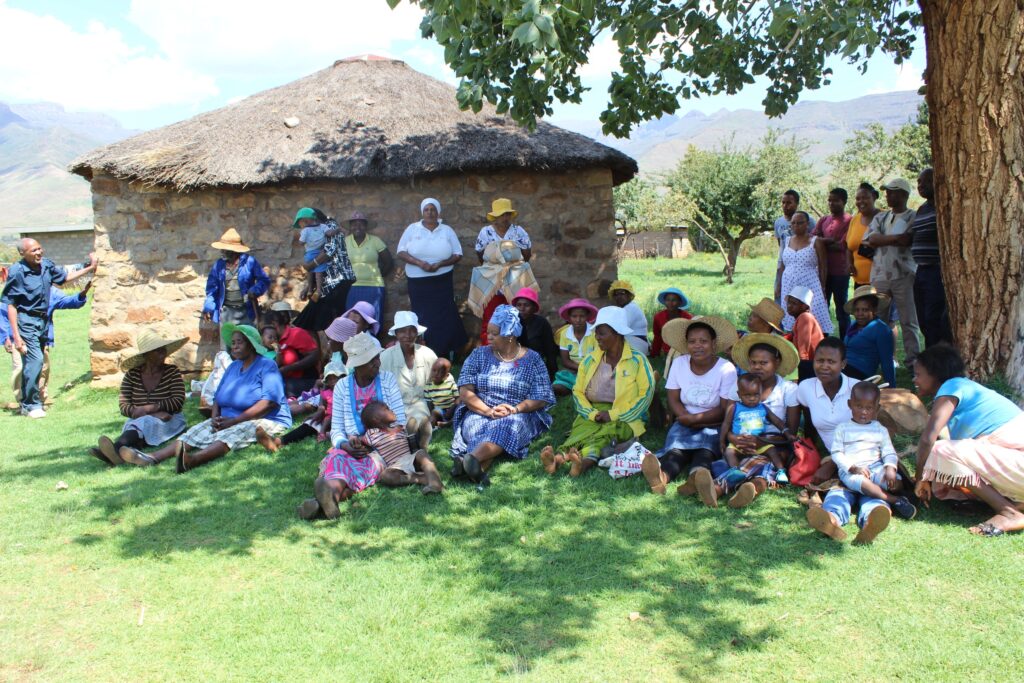
UNAIDS has facilitated dialogue and helped bring communities left out of decision-making. Through its advocacy and technical guidance, the human rights of people living with HIV are not held back and the voices of civil society are heard. It has strengthened institutional capacity of networks of people living with HIV e.g. LENEPHWA, helping develop nascent organisations working with key populations to manage and deliver key HIV services e.g. KAPAL.
UNAIDS has also provided financial support to civil society organisations for catalytic and innovative activities over the years. Examples of these include technical and financial support to the Lesotho Network of People Living with HIV and AIDS (LENEPWHA) led to a rapid assessment of the vulnerabilities faced by people living with HIV during the COVID-19 lockdown, and a new hotline to better disseminate COVID-19 information.
LENEPWHA traced people living with HIV who defaulted their treatment and linked them back to ART services. They also helped scale up integrated community-led HIV testing, COVID-19 and tuberculosis screening and linkage to care at border points for Basotho migrants returning from South Africa and to establish community support groups, and rollout three-six multi-month.
The People’s Matrix Association Lesotho – a nongovernment organization working for the rights of the lesbian, gay, bisexual, transgender, and intersex (LGBTI) community -received technical and financial assistance to reach thousands of people from the LGBTI community with information on HIV and sexually transmitted infections (STIs) prevention, screening and treatment, and other reproductive health issues, of several thousand referred to specific STI, ART, and GBV services.
UNAIDS Special Initiatives
The ‘Education Plus’ initiative is a high-profile, high-level political advocacy drive to accelerate actions and investments to prevent HIV. It is centered on the empowerment of adolescent girls and young women and the achievement of gender equality in sub-Saharan Africa – with secondary education as the strategic entry point.
The initiative is a rights-based, gender-responsive action agenda to ensure adolescent girls and young women have equal opportunities to access quality secondary education, alongside key education and health services and supports for their economic autonomy and empowerment. Lesotho signed-up and launched this initiative in 2022.
The Global Partnership for Action to Eliminate all Forms of HIV-related Stigma and Discrimination (Global Partnership) aims at harnessing the combined power of governments, civil society, bilateral and multilateral donors, academia and the United Nations to end HIV-related stigma and discrimination. The partnership helps countries to assess closely HIV-related and HIV-related stigma and discrimination across six setting of community, workplace, education, healthcare, justice and emergency, helping them to draft key actions to address the stigma and discrimination. Lesotho signed-up to this partnership in 2021.
The Global HIV Prevention Coalition (GPC) aims at strengthening and sustaining political commitment for primary prevention by setting a common agenda among key policymakers, funders and programme implementers. With countries and communities at the centre, the GPC seeks to ensure accountability for delivering prevention services at scale to achieve the targets of the 2021 Political Declaration on Ending AIDS, including a reduction in HIV incidence to fewer than 370,000 new infections by 2025 and ending the AIDS epidemic by 2030. Lesotho is one of 28 focus countries of the Global HIV Prevention Coalition.