
For many Manitobans, accessing a doctor isn’t always straightforward or easy. Long wait times, travel, and limited availability in rural and northern communities can make care feel out of reach.
QDoc was built to change that, driven by a strong mission to ensure equal access to quality medical care for all, regardless of geographic location or socioeconomic status.

An Idea Born in Urgency
Healthcare didn’t disappear during COVID-19, but for many it suddenly felt out of reach. Clinics closed or limited in-person visits, and physicians shifted to phone and virtual appointments almost overnight. In Manitoba’s vast rural and northern regions, accessing care was already challenging — and COVID made it impossible to ignore.
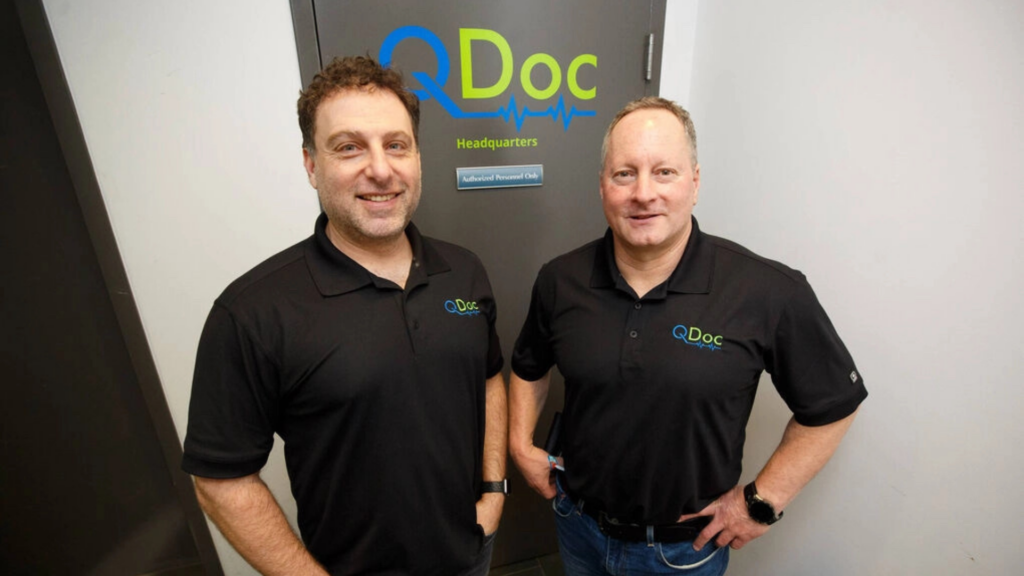
It was during this time that an idea began to take shape. Dr. Norman Silver, an emergency pediatrician, found himself receiving more and more calls from family and friends seeking medical advice. He noticed they had something many others didn’t: direct access to a physician they trusted. It was a small but meaningful advantage.
It led to a simple question—what if that kind of access wasn’t limited to a personal connection? People weren’t just seeking reassurance, they needed access: immediate, reliable, and available from anywhere. With his brother-in-law, medical technology expert David Berkowits, the idea emerged: What if anyone could reach a doctor just as easily?
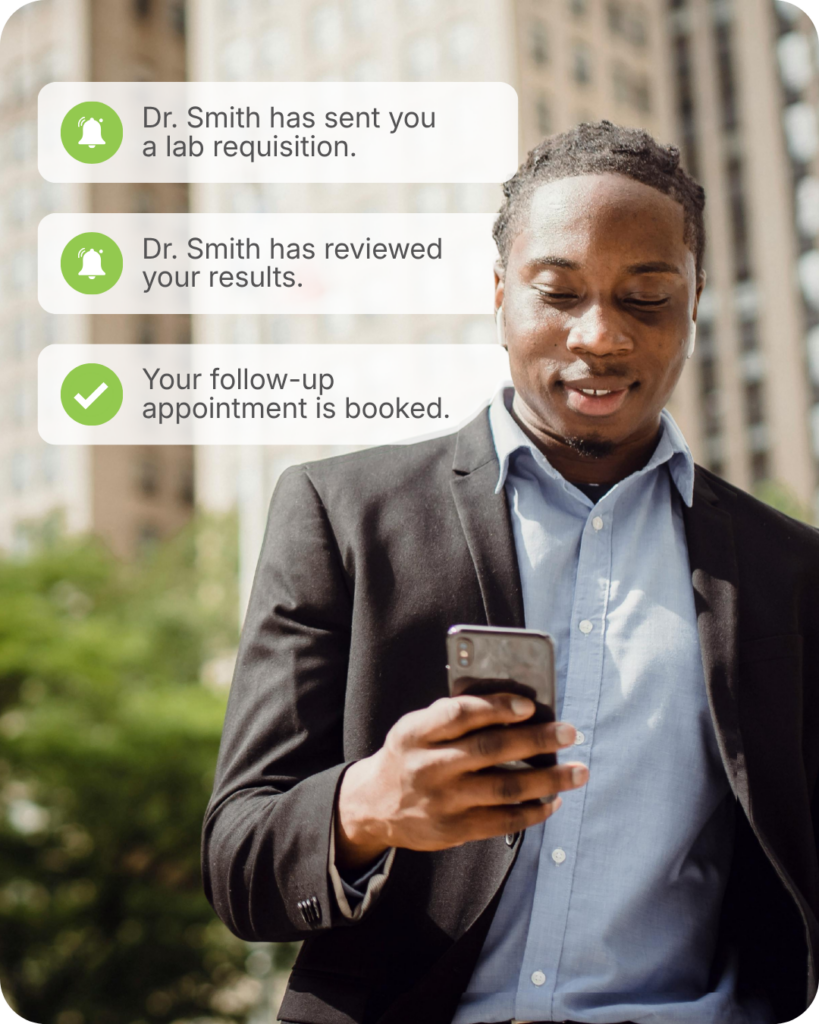
Today, that access includes both physicians and nurse practitioners, expanding the reach and flexibility of care across the platform.
Since 2021, QDoc Virtual Healthcare has transformed access to care for hundreds of thousands of Manitobans. Nearly one in five visits prevented a trip to the emergency room—relieving an overstretched system while delivering timely guidance and care when it mattered most.
The impact is undeniable. QDoc was ranked #6 overall—and #1 in healthcare—on the Globe and Mail’s Report on Business list of Canada’s Top Growing Companies for 2025.
Beyond Virtual Care
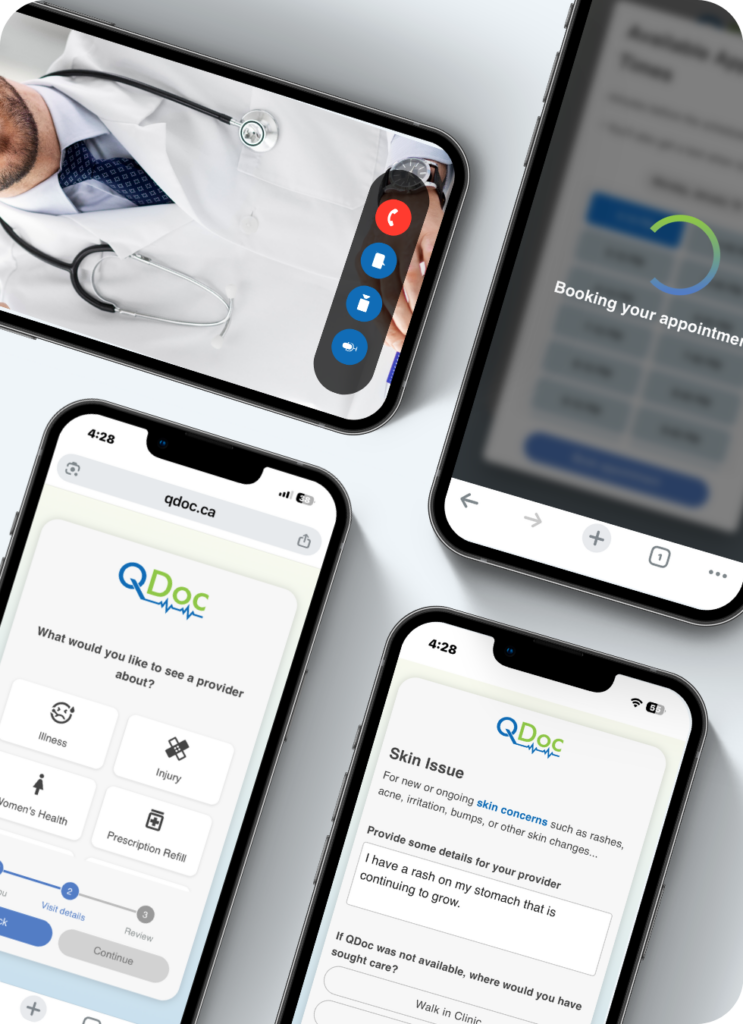
QDoc expands access beyond general care by connecting patients to specialized services across the province, including dermatology, ADHD support, perimenopause and menopause care, HIV prevention, and a province-wide partnership with local pharmacies offering self-swabbing for strep throat.
It has also partnered with innovative tools and providers to further improve access, including discounted virtual otoscope technology that allows patients to share images with physicians from home, helping diagnose and treat common conditions like ear infections.
The company extends care into communities that historically faced barriers through many different partnerships. A few collaborations include bringing virtual care kiosks into northern Indigenous communities with Medechan and connecting Winnipeg’s homeless population to low-barrier physician care through the Downtown Community Safety Partnership.
The platform also partners with more than 80 local pharmacies, allowing patients across Manitoba to self-swab for strep throat, creating new paths to accessible care. These initiatives are grounded in a simple idea: care should meet people where they are.
Together, these services reduce the need for travel and long wait times, making it easier for patients to access care when they need it.
The Moments That Matter
The impact of QDoc is best understood in stories. Dr. Norman Silver shares one case: “A 24-day-old was seen on QDoc about an hour after being seen at a walkin. Due to the QDoc matching system, they were connected to a pedicatric emergency physician. The baby was much sicker than either the walk-in doctor or the parents realized. Within hours, the baby was on life support in the pediatric ICU. If it wasn’t for the easy access QDoc afforded the baby would have died.”
In addition to saving patients hundreds of thousands of hours of time, QDoc is saving lives.
More Than a Mission
At its core, QDoc is driven by impact. With a 4.9-star rating and thousands of patient reviews, its story is one of reassurance, early intervention, and care delivered when it’s needed most. Behind every visit is a person, and behind every innovation is a belief that healthcare can be better.
Because in the end, better access isn’t just about convenience—it’s about making sure no one is left without care when they need it most.