A specialized agency of the United Nations established in 1945, leading international efforts to defeat hunger.
The Food and Agriculture Organization of the United Nations is a specialized agency of the United Nations that leads international efforts to defeat hunger and improve nutrition and food security. Its Latin motto, fiat panis, translates to “let there be bread”. It was founded on 16 October 1945.
FAO’s goal is to achieve food and security for all and make sure that people have regular access to enough high-quality food and lead active, healthy lives. With 195 members – 194 countries and the European Union, FAO works in over 130 countries worldwide.
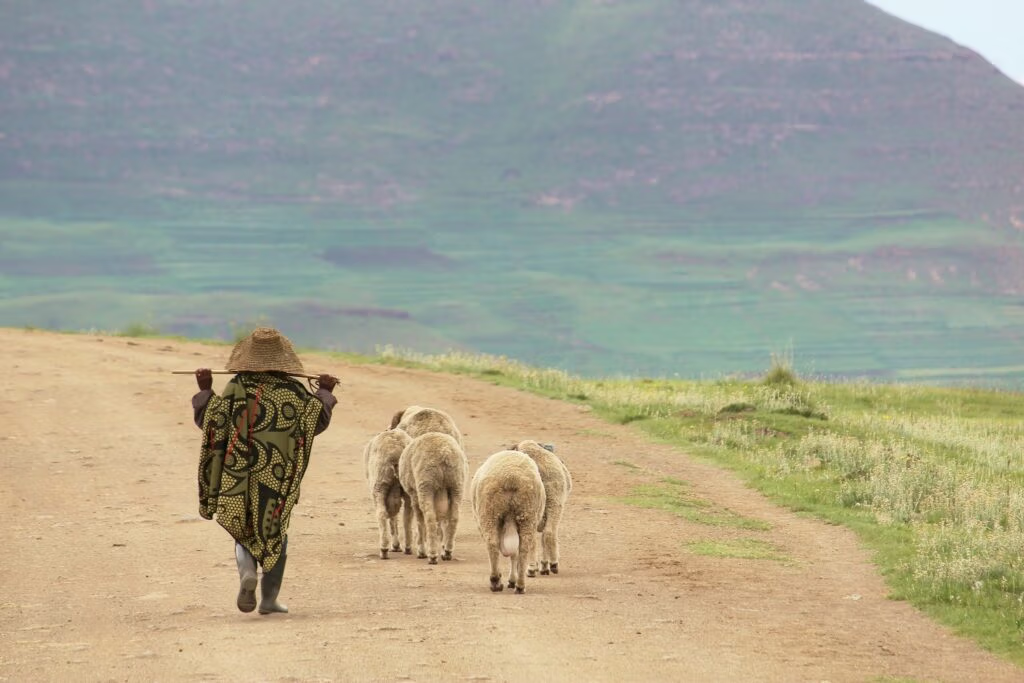
The Kingdom of Lesotho joined FAO in 1966. FAO has supported projects in Lesotho since the late 1970s, but the organization became more visible and impactful in the agriculture and rural development sector following the establishment of the country office in 1983.
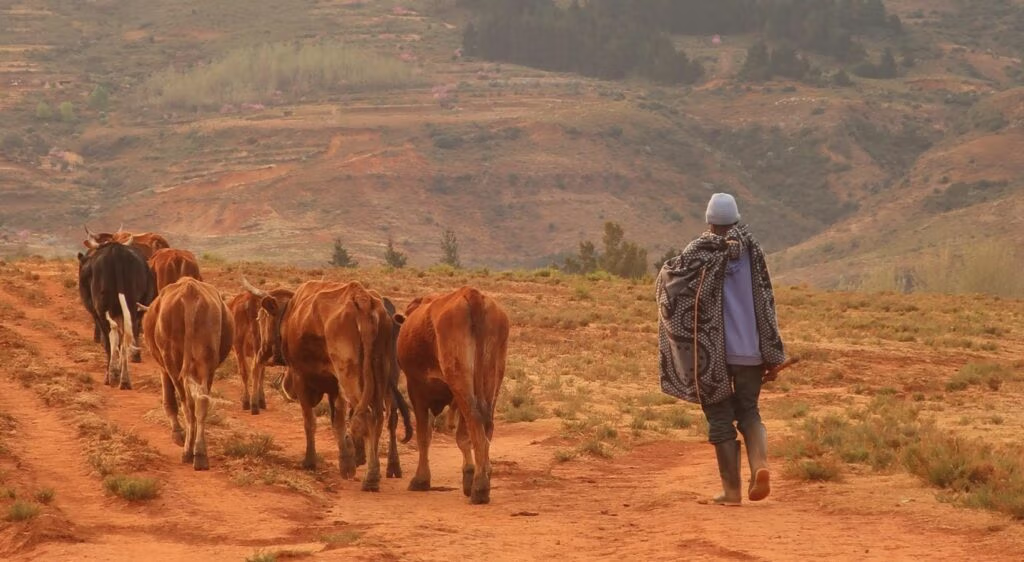
Achieving food security for all has always been at the heart of FAO’s activities in Lesotho. It strives to ensure that people have regular access to food of sufficiently high quality to lead active and healthy lives.
FAO has for over seven decades, supported the Lesotho government’s efforts in formulating and implementing agricultural and rural development policies and programmes. It has been instrumental in supporting vulnerable farming households – providing essential agricultural inputs and technical support and promoting sustainable land management practices and improved technologies – to improve their agricultural outputs and to build resilience.
Land Cover Data and Atlas
FAO collaborated on the development of a comprehensive land cover map and the production of a land cover atlas, providing essential baseline information on Lesotho’s natural resources, specifically land and water. This map enables the tracking of land cover changes over time and facilitates the assessment of improvements in land cover following project interventions.
In 2023, the project was recognized globally, receiving the GEO SDG award for its use of earth observation techniques in monitoring environment-related Sustainable Development Goals (SDG) indicators.
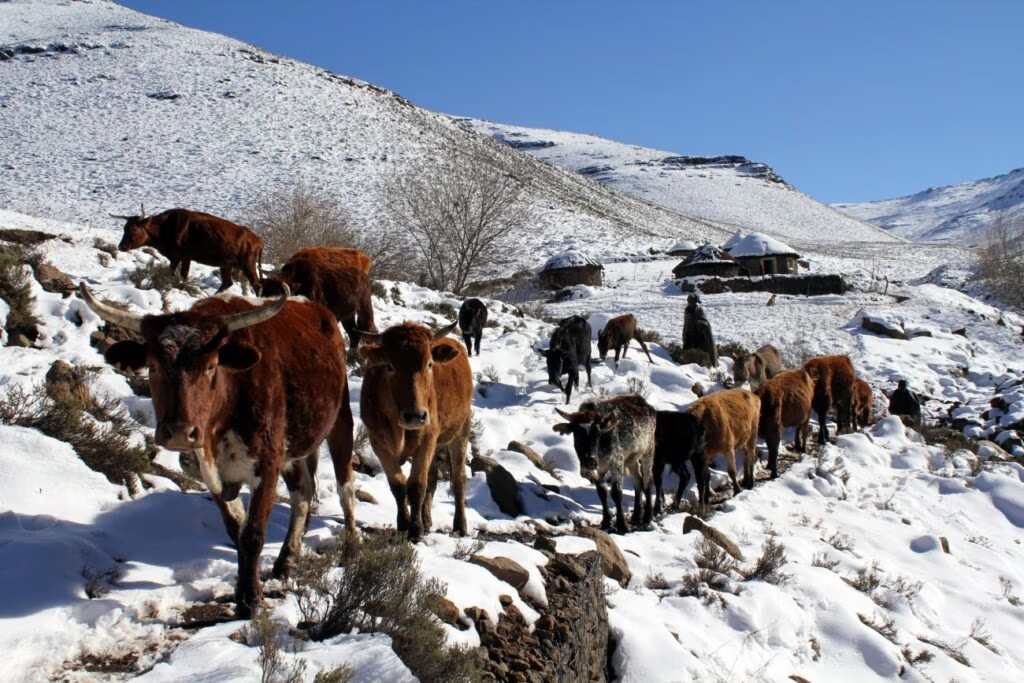
Livestock and Plant Protection
Over the past 15 years, the FAO has been instrumental in supporting the Lesotho government’s efforts in animal and plant protection.
This has been achieved through livestock vaccination campaigns and a trans boundary disease and pest surveillance programme. These initiatives have played a crucial role in protecting livestock from diseases, maintaining crop quality, and ensuring the health of livestock and livestock products, which are vital to safeguarding the livelihoods of livestock-dependent Basotho households.
Between 2021 and 2023, over 200,000 livestock were vaccinated against anthrax, rabies, and black quarter. Keeping livestock free from these diseases is essential for Lesotho to maintain its certification for international trade in livestock and livestock by-products.
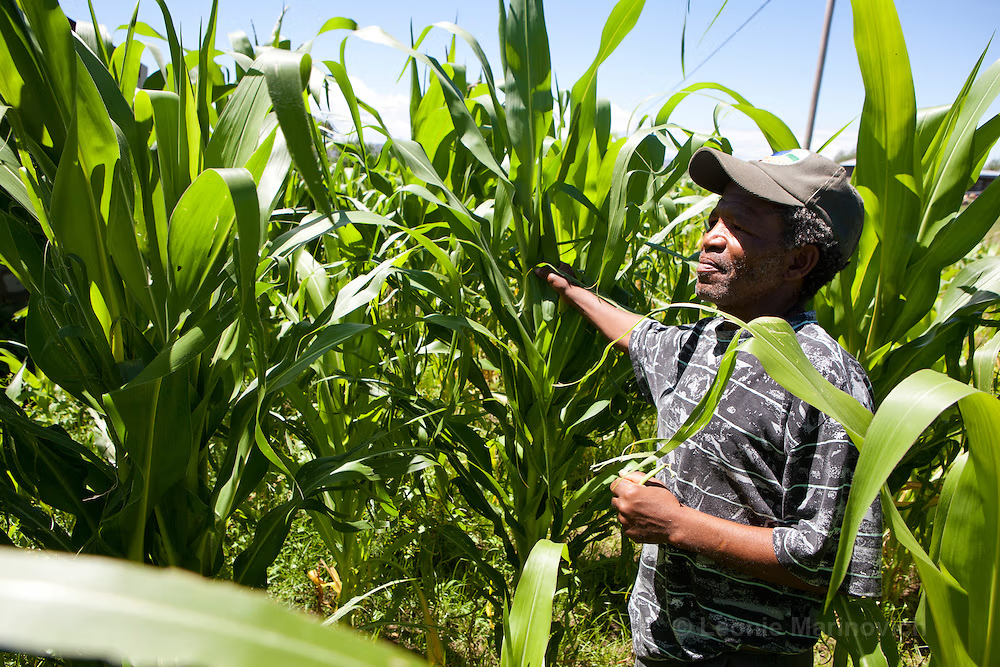
Rangelands and Wetlands Rehabilitation
FAO’s rangeland and wetland rehabilitation interventions have supported the regeneration of Lesotho’s rapidly deteriorating rangelands. Through these efforts, 127 hectares of rangelands and 27 hectares of wetlands have been restored and protected.
Additionally, training provided by FAO to local government structures, community leaders, and resource users has ensured continued efforts in the restoration and protection of wetlands and rangelands.
Improving Access to Water for Domestic and Agricultural Use
Since 2016, FAO, through its climate change adaptation projects, has constructed roofwater harvesting structures and animal drinking points in rural communities across Lesotho to improve access to clean water for domestic and agricultural use.
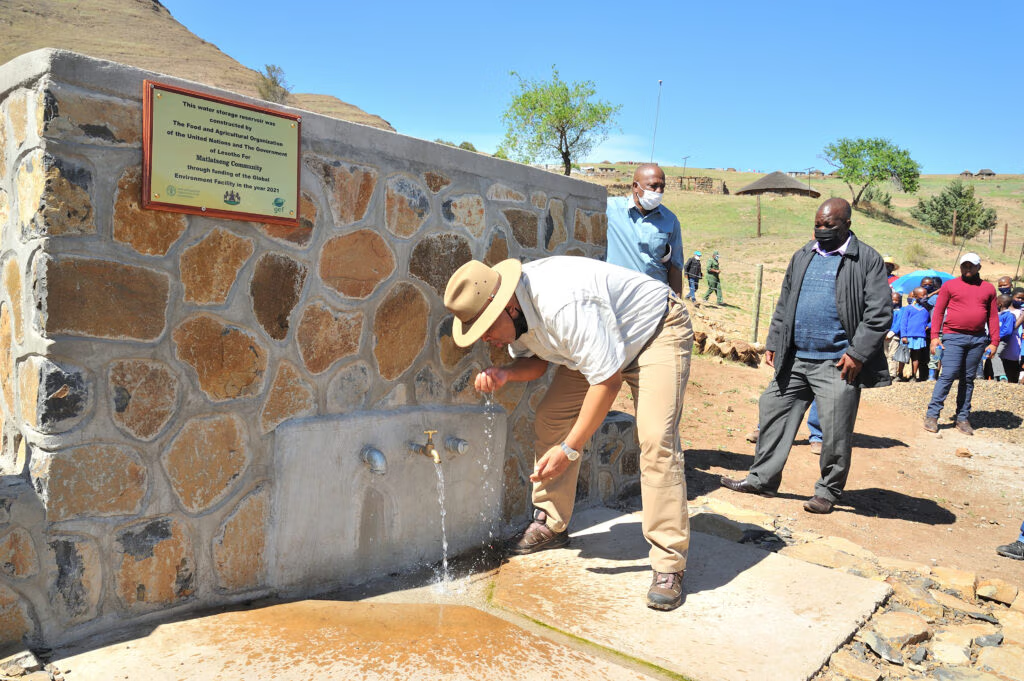
As a result, over 140 households across three districts now enjoy convenient access to clean water for household use and irrigation. This has enabled the production of more nutrient-dense fruits and vegetables for household consumption.
These structures continue to provide clean water within village vicinities, reducing the burden on women and girls who previously had to collect water from distant sources. This has also significantly reduced their exposure to incidents of gender-based violence, which they were at risk of when travelling long distances to fetch water.
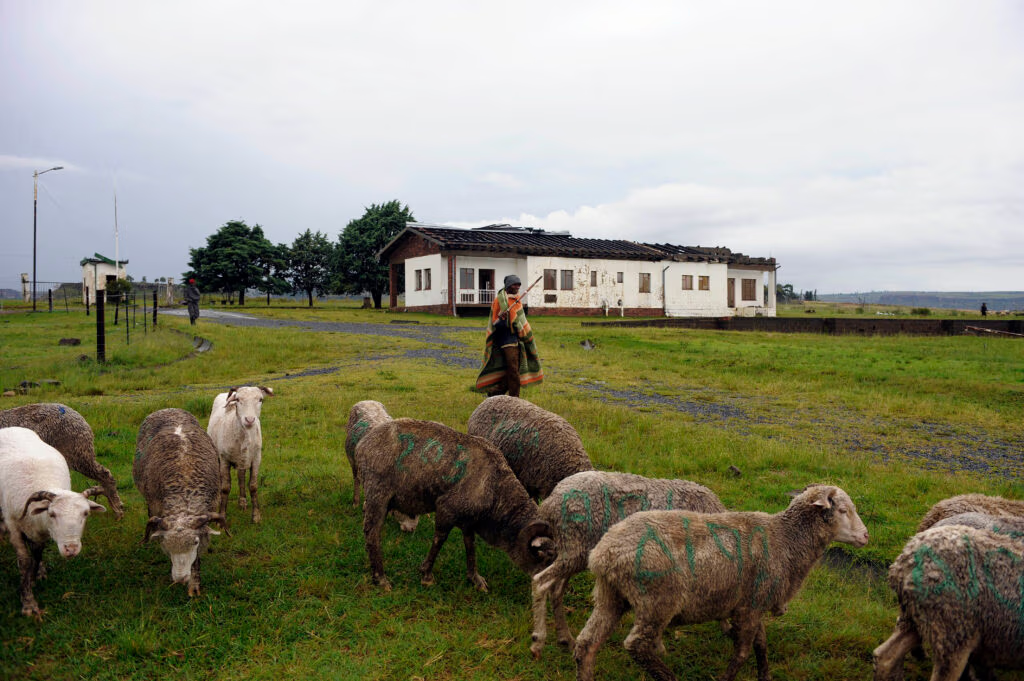
Resilient Agriculture
Since 2021, FAO has supported climate-resilient agriculture in Lesotho by providing shade net structures and drip irrigation kits to over 10,000 farming households. These interventions have enabled year-round crop production, enhanced vegetable yields, and helped Basotho farmers adapt to the impacts of climate change.
Additionally, the use of shade net structures and drip irrigation kits has led to improved water use efficiency and minimized crop loss over time.
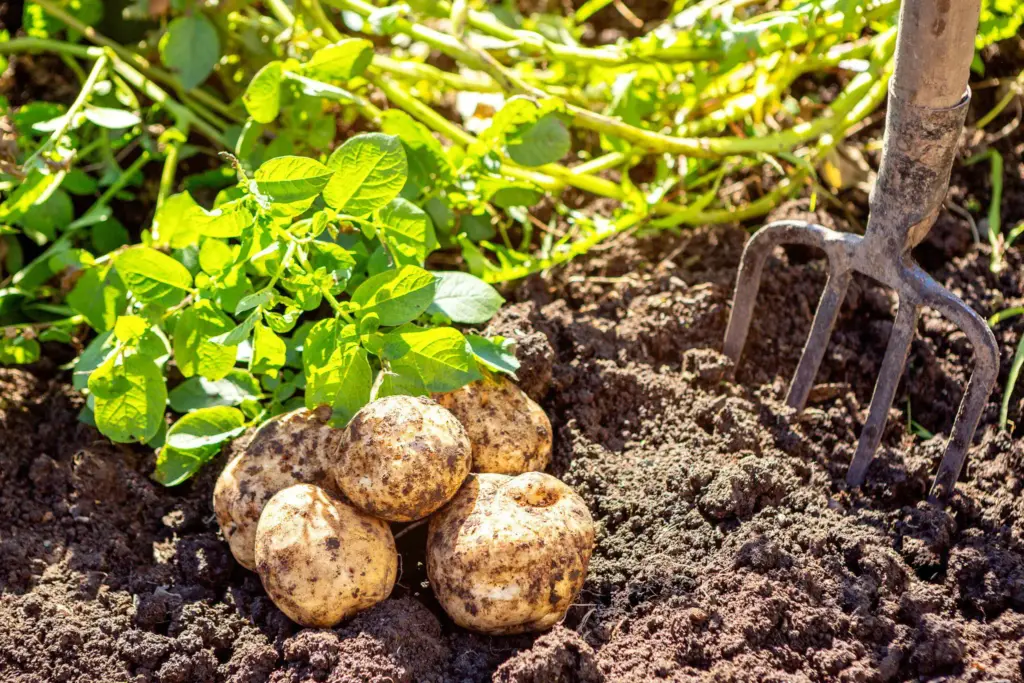
Promoting potato as a special agricultural product for Lesotho
Through the One Country One Priority Product (OCOP) project, FAO has spearheaded efforts to position potato as a key agricultural product in Lesotho. The country’s highland areas, with low incidence of diseases and pests, offer a comparative and competitive advantage for potato production, particularly for seed potatoes.
These regions can support two potato production cycles within a single calendar year, resulting in yields that are up to three times higher than those of maize.
This significant advantage has driven greater adoption of potato farming among local farmers and has shown potential for creating opportunities for value addition within the sector such as the manufacturing of potato by-products including potato milk and potato lotion.