For more than 125 years, Northeastern University has built its reputation around one defining idea: learning works best when it is connected directly to the world it aims to serve. That belief has powered a global university system spanning 13 campuses across the United States, Canada, and the United Kingdom. It also explains why Northeastern’s newest campus opened not on a traditional quad, but in the heart of Arlington, Virginia, where technology, security, policy, and innovation intersect daily.
“The Arlington campus was designed with purpose,” says Jamie Jones Miller, CEO and Regional Dean of Northeastern University Arlington, Interim Director of the Kostas Research Institute, and Interim CEO of KRI LLC. “This region has distinct workforce and research needs, and our role is to align education and applied research directly with them.”
A Campus Built for the National Capital Region
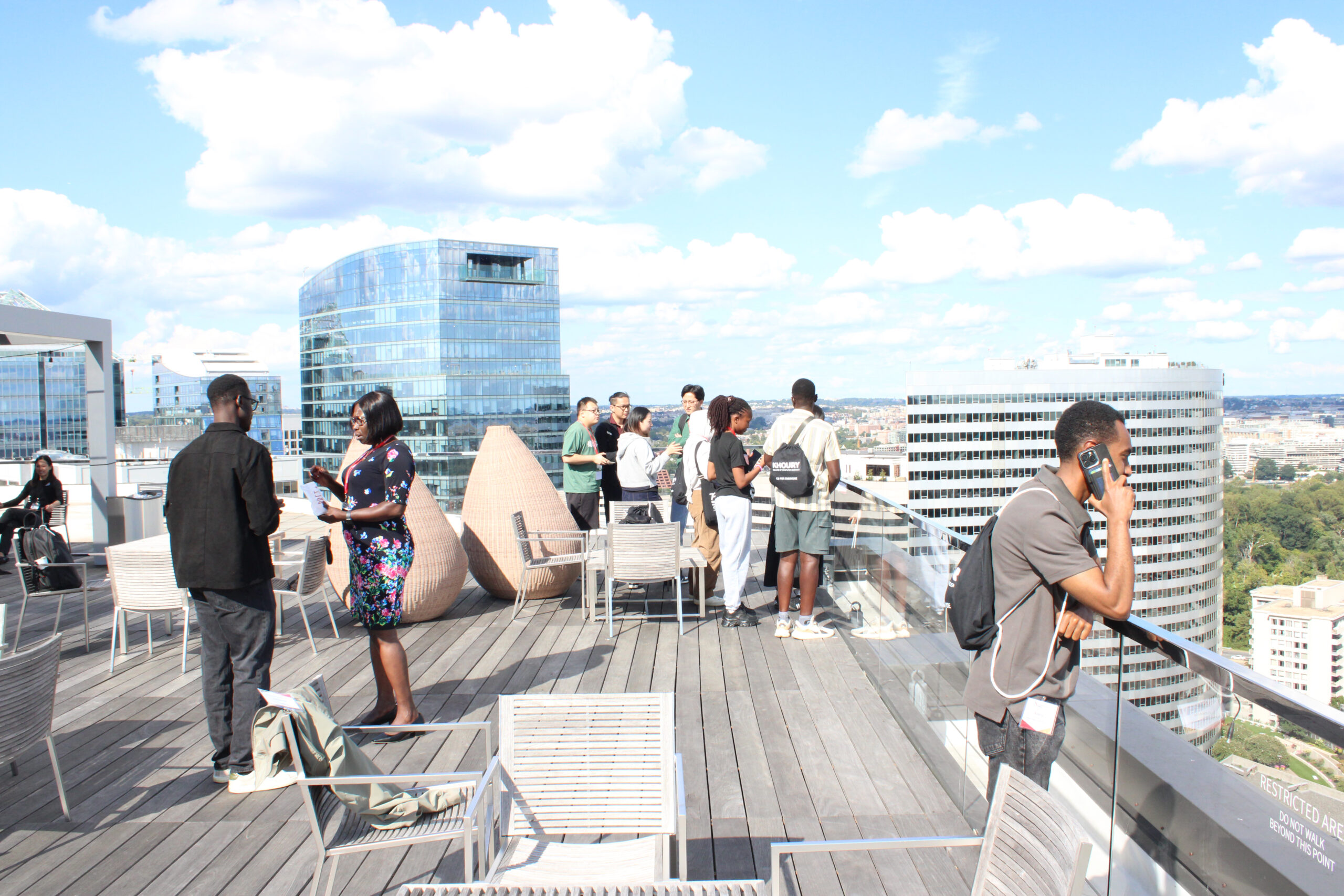
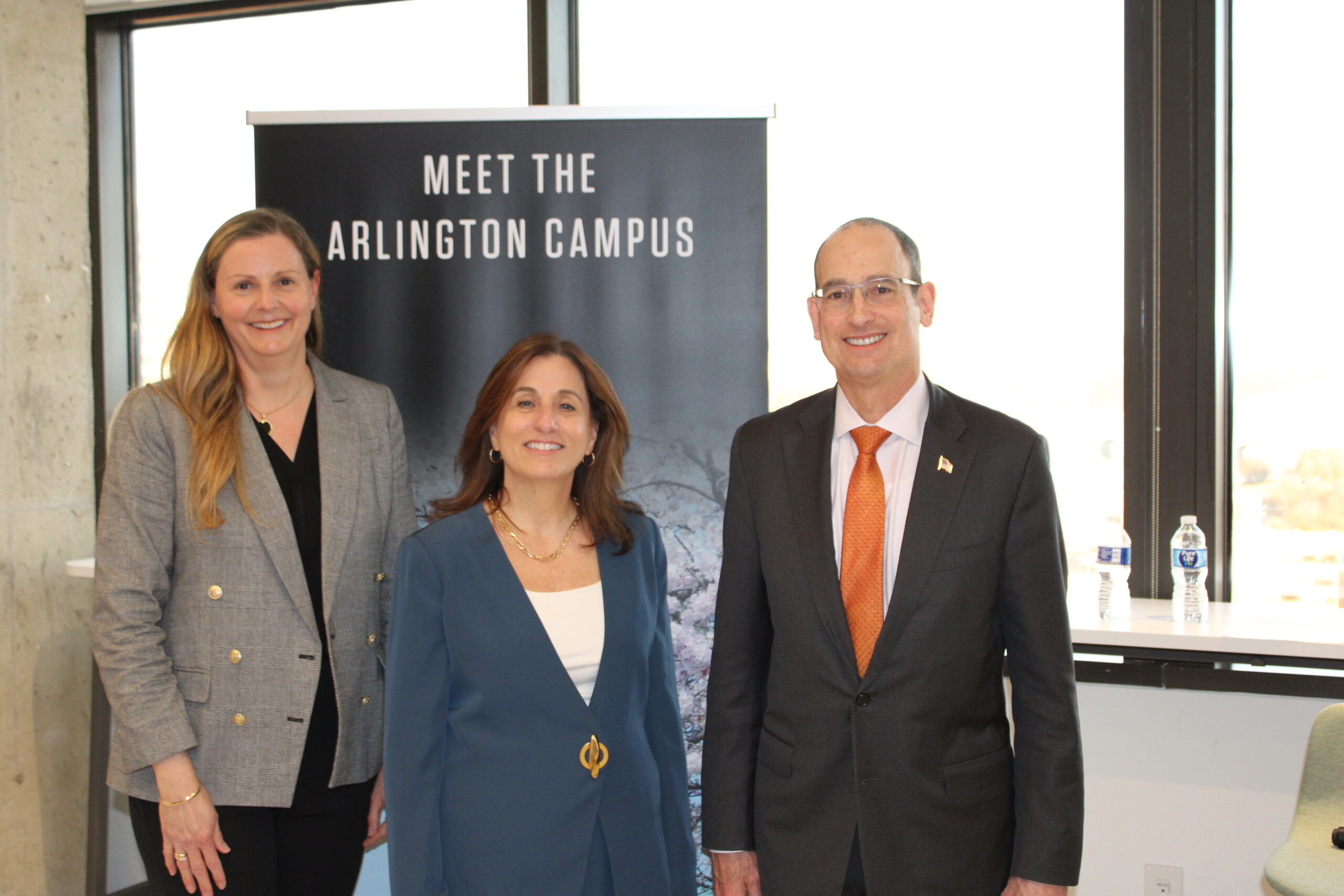
Launched in 2023, Northeastern University Arlington gives the university a strategic foothold in the National Capital Region. Its location places students and faculty minutes from Capitol Hill, the Pentagon, and a dense ecosystem of federal agencies, defense contractors, policy organizations, and technology firms. That proximity is not incidental. It shapes how the campus teaches, partners, and innovates.
Graduate programs and certificates at Arlington are designed to close skills gaps across both public and private sectors, particularly in security, technology, innovation, and policy. Rather than separating academic learning from career outcomes, Northeastern integrates the two.
“We are preparing learners for leadership in jobs that are evolving right now,” Jamie says. “That means programs that challenge students with real problems, in real environments, alongside the organizations they will eventually help lead.”
Experiential Learning as an Innovation Engine
Experiential learning has long been Northeastern’s differentiator. The university is consistently ranked number one nationally for cooperative education and internships, backed by more than a century of co-op expertise. The Arlington campus extends that model into one of the most complex labor markets in the country.
Students are immersed in applied projects that draw on Northeastern’s R1 research strength while remaining grounded in practical outcomes. Faculty collaborate across disciplines, bringing together emerging technology, national security, public policy, and ethical considerations into unified learning and research experiences.
“Innovation here does not live in silos. Our students and researchers are working at the edges where disciplines overlap, because that is where the most consequential breakthroughs happen.”
Research Embedded in the Real World
Co-located with the Arlington campus is Northeastern’s Kostas Research Institute for Homeland Security. The institute enables students to engage in active, high-impact research in real time, contributing directly to national and global security challenges.
Arlington is also a platform for growing research initiatives, including the Defense Industrial Base Institute and the Institute for Information, the Internet, and Democracy. Together, these centers expand Northeastern’s research footprint while anchoring it firmly in issues shaping the future of governance, security, and technology.
“Our research ecosystem is designed to be outward facing,” Jamie says. “We customize collaborations with government, industry, and nonprofits, co-creating project plans that advance shared goals and solve current and future challenges.”
Partnerships That Drive Innovation Forward
Partnerships sit at the core of Northeastern’s Arlington strategy. The campus quickly embedded itself in the regional innovation ecosystem, becoming a founding member of the National Landing Innovation District and an Academic Partner of the Northern Virginia Technology Council. It also hosts and supports key regional events, including the Arlington County Chamber of Commerce’s Women in Business Summit and Arlington Economic Development Authority programs for global entrepreneurs.
These relationships translate directly into research focus areas, experiential learning opportunities, and access to subject matter experts from across government and industry.
“Our vision is for Northeastern to be the preferred academic partner for government, community, and industry in the National Capital Region,” Jamie says. “That only happens when you show up consistently and deliver value on all sides.”
From First Graduates to Future Leaders
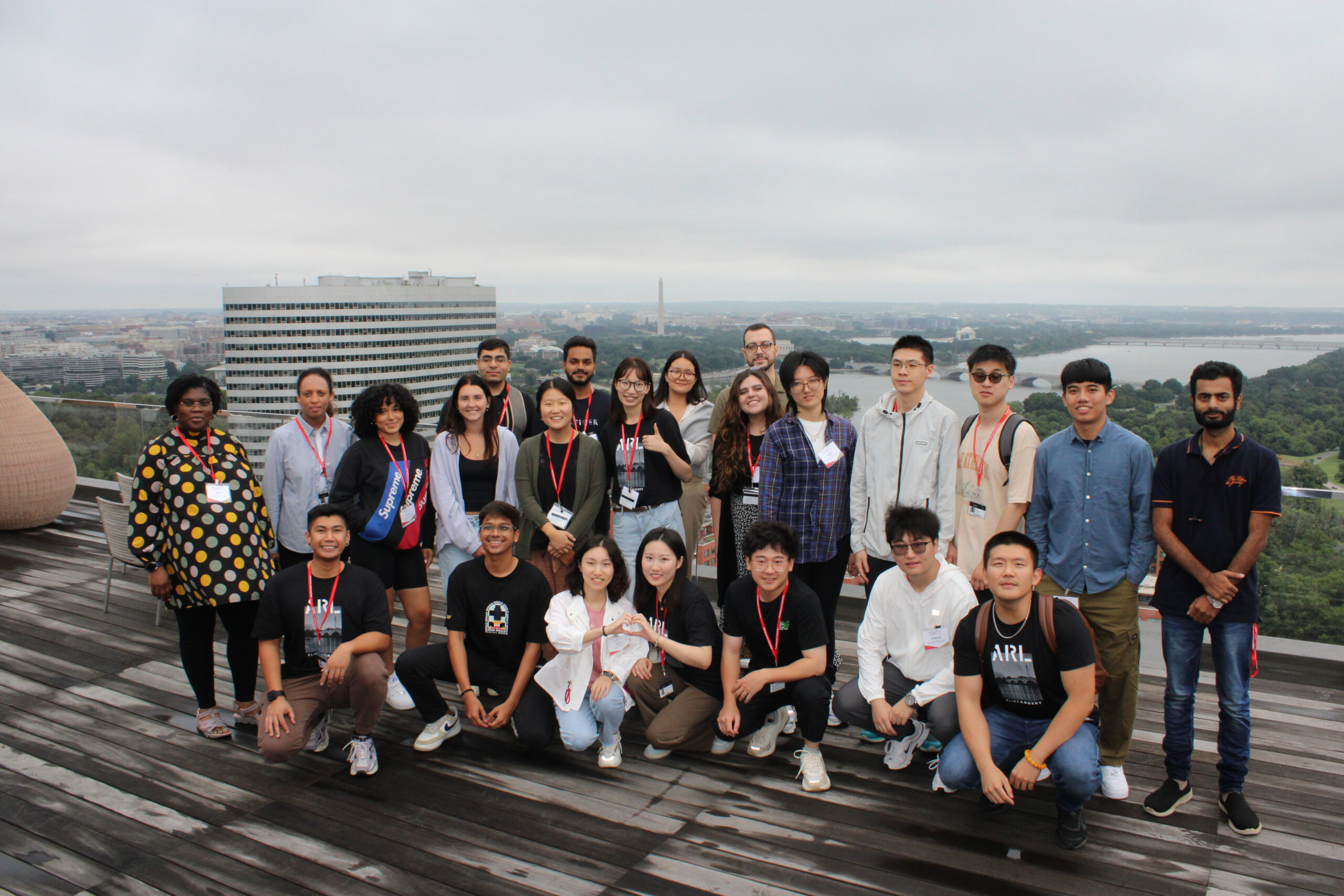
In June 2025, Northeastern University Arlington celebrated its first graduating class. Many graduates were recruited by employers in the region and beyond, while others pursued entrepreneurial paths or advanced into research roles. The next cohort will graduate in May 2026, reflecting steady momentum in enrollment, partnerships, and employer engagement.
“We are already seeing our graduates become part of the ecosystem itself,” Jamie notes. “They are solving global challenges, founding companies, and strengthening the talent pipeline that this region depends on.”
That pipeline is reinforced by Northeastern’s global reach. With more than 3,300 corporate, government, and nonprofit partnerships worldwide, students collaborate across campuses in innovation hubs such as Boston, Silicon Valley, Seattle, and London. The result is access to a global alumni network of more than 300,000 professionals in over 180 countries, alongside a strong and growing community in the National Capital Region.
Designing the Workforce of the Future
What excites Jamie most about the future is the scale of opportunity ahead. As technology, security, and policy continue to converge, the demand for professionals who can navigate complexity will only intensify.
“Northeastern students graduate with experience, confidence, and curiosity,” she says. “They are ready not just to enter the workforce, but to adapt to it.”
Graduate programs at Arlington mirror the economic drivers of the region, producing talent equipped to meet immediate needs while remaining adaptable to long-term change.
“Our responsibility is to anticipate what employers will need next. And then build learning, research, and partnerships that make those outcomes possible.”
In Arlington, Northeastern University is not simply adding another campus to its global map. It is engineering a living connection among education, research, and the urgent challenges shaping the future of government, industry, and society.