The impactful journey of the United Nations in Lesotho over the past 40 years and the future partnership between the UN and the government of Lesotho.
For over four decades, UNICEF has stood alongside Lesotho in its mission to secure a brighter future for its children. From the remote mountain communities to the bustling cities, UNICEF’s unwavering dedication has left an indelible mark on the lives of countless young Basotho. The impact of UNICEF Lesotho: A Legacy of Care and Progress is a testament to the potential for transformative change when the global community comes together for its most vulnerable members.
In a nation where poverty and inequality have long cast shadows over the hopes and aspirations of its youth, UNICEF has been a beacon of hope, striving to ensure that every child has access to the fundamental rights and opportunities they deserve. From enhancing access to quality education and healthcare to championing gender equality and child protection, UNICEF’s initiatives have rippled through every corner of this resilient mountain kingdom.
This chapter delves into UNICEF’s multifaceted approach to development in Lesotho, setting it apart from others. Through a rich tapestry of narratives, data, and firsthand experiences, readers are invited to witness the organization’s strategic vision, service delivery, and system-strengthening initiatives that have transformed the lives of numerous children and families over the past four decades.
The chapter explores several pivotal themes that have defined UNICEF’s work in Lesotho. It examines UNICEF’s resolute commitment to ensuring every child’s access to quality education, bridging early childhood development programs and initiatives promoting gender parity and inclusive learning environments. Moreover, it sheds light on UNICEF’s strides in improving child and maternal health, addressing critical issues such as HIV/AIDS, malnutrition, and access to clean water and sanitation. Furthermore, it highlights the organization’s unwavering advocacy for child protection, confronting the scourges of violence, exploitation, and abuse that often rob children of their fundamental rights and dignity.
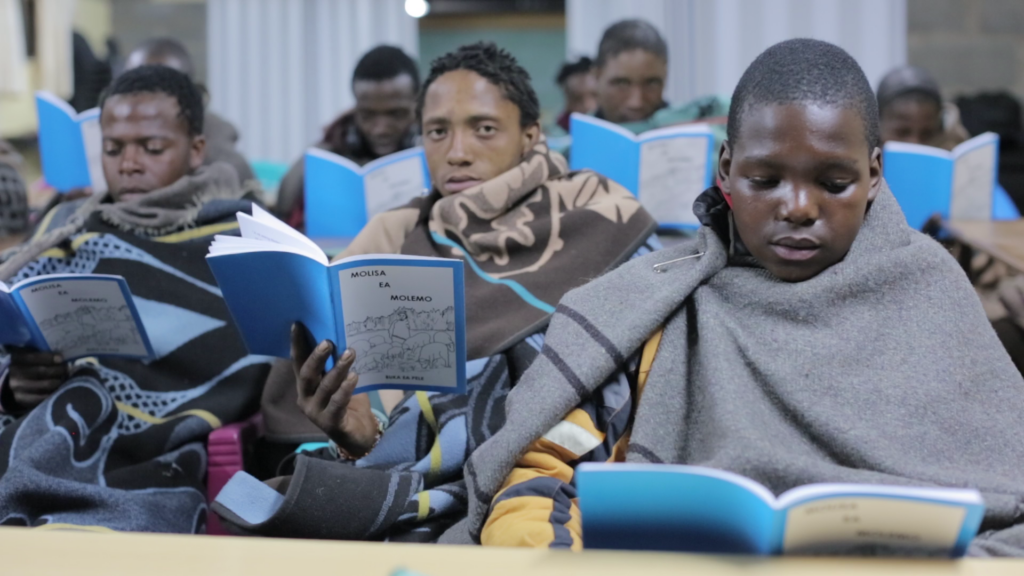
But this chapter is not just a historical account of UNICEF’s accomplishments; it also looks forward, offering a compelling vision for the organization’s enduring support and collaboration with the Basotho people. As the nation grapples with new challenges and opportunities in the 21st century, UNICEF’s role becomes increasingly pivotal in ensuring that no child is left behind in the pursuit of a better tomorrow.
Whether you are a policymaker, development professional, or simply someone deeply concerned about the welfare of children, this chapter is a must-read. Its pages are filled with inspiring stories of resilience, hope, and progress – reminders that even in the face of daunting challenges, collective action can transform lives and carve a brighter future for generations to come. Brace yourself to be inspired, confronted, and motivated by UNICEF’s enduring legacy in Lesotho. This is the story of unyielding commitment, innovative solutions, and the enduring faith that every child, irrespective of circumstances, deserves the opportunity to thrive and realize their full potential. Embark on this odyssey and uncover the remarkable impact that can be achieved when the world unites in service of its most precious resource – the children who hold the key to a brighter tomorrow.
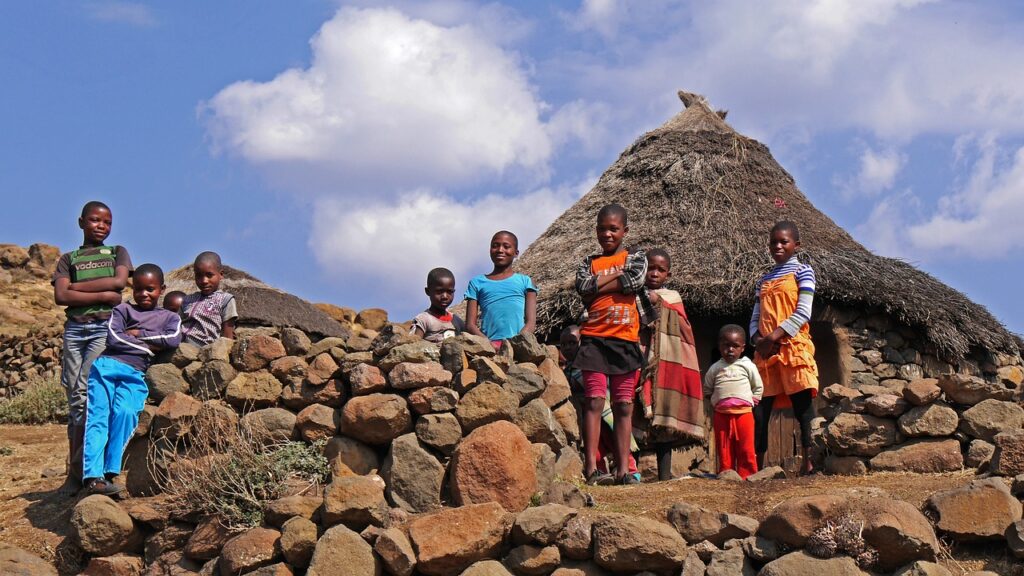
UNICEF Lesotho has been a cornerstone of child welfare and development in the Kingdom of Lesotho since its establishment in 1972. The organization is part of the global UNICEF network, committed to upholding the rights and well-being of every child. Nestled in the mountainous heart of Southern Africa, Lesotho contends with unique challenges, including high poverty rates, prevalent HIV/AIDS, and geographical isolation. UNICEF Lesotho has been pivotal in addressing these challenges, tirelessly striving to ensure that all children in Lesotho have access to education, healthcare, and protection.
DEMONSTRATION OF IMPACT
Over the decades, UNICEF Lesotho has made significant strides in improving the lives of children and their families. Key achievements include:
- Healthcare and Nutrition: UNICEF Lesotho has played a crucial role in reducing child mortality rates through the provision of vaccines, maternal health services, and nutritional support. Initiatives such as the Integrated Management of Childhood Illness (IMCI) program have improved healthcare delivery for children, while efforts to combat malnutrition have led to significant improvements in child growth and development.
- Education: Recognizing education as a fundamental right, UNICEF Lesotho has worked to increase school enrollment and improve the quality of education. Programs like the Early Childhood Development (ECD) initiative have been pivotal in preparing children for formal schooling, while partnerships with the government have supported infrastructure development and teacher training.
- Child Protection: UNICEF Lesotho has been a strong advocate for child rights and protection. Through collaboration with local communities and government bodies, the organization has implemented programs to prevent and respond to child abuse, exploitation, and neglect. Efforts to support orphans and vulnerable children, particularly those affected by HIV/AIDS, have provided critical care and support.
- Water, Sanitation, and Hygiene (WASH): Access to clean water and proper sanitation facilities is essential for health and well-being. UNICEF Lesotho has led initiatives to provide safe drinking water and promote good hygiene practices, significantly reducing the prevalence of waterborne diseases.

HEALTH: IMMUNISATION
UNICEF Lesotho’s long-standing collaboration with the Government of Lesotho has been integral to its success. This partnership has enabled the scaling up of interventions and ensured that initiatives are aligned with national development priorities. Moving forward, UNICEF Lesotho will continue to work closely with government ministries, non-governmental organisations, and local communities to create a supportive environment where every child can thrive.
In celebrating over five decades of dedicated service, “UNICEF Lesotho: A Legacy of Care and Progress” not only chronicles the organization’s past achievements but also sets the stage for future endeavors aimed at building a brighter future for all children in Lesotho.
The History and Work of UNICEF in Lesotho
Over the past 40 years, the situation of children in Lesotho has undergone significant transformation, largely due to the collaborative efforts of UNICEF, the government of Lesotho, and various other partners. This partnership has addressed critical issues in health, nutrition, education, child protection, and overall social development, leading to measurable improvements in the lives of children across the country.
Health and Nutrition
UNICEF’s collaboration with the Ministry of Health in Lesotho has been pivotal in improving child health and nutrition. Immunization programs have expanded significantly, resulting in increased coverage for diseases such as measles and polio. As of the latest data, over 90% of children in Lesotho receive routine immunizations, a significant increase from earlier decades. Additionally, comprehensive nutritional interventions have been implemented to combat malnutrition. These efforts have led to a notable decline in stunting among children under five, from 45% in 2000 to around 33% in recent years. The introduction of fortified foods and supplements, alongside education on proper feeding practices, has been critical in achieving these outcomes.
Addressing the HIV/AIDS Crisis
In the 1990s, the HIV/AIDS pandemic emerged as a severe challenge, with Lesotho experiencing one of the highest prevalence rates globally. UNICEF played a critical role in mitigating the crisis, emphasizing the prevention of mother-to-child transmission and supporting orphans and vulnerable children affected by the disease. Their efforts included awareness campaigns and healthcare interventions, which contributed to reducing the rate of new infections and supporting affected children. Data from the early 2000s showed a decline in new HIV infections among children, thanks in part to these interventions.
Advocacy and Rights Promotion
UNICEF Lesotho has been a steadfast champion of children’s rights, working tirelessly to advance the Convention on the Rights of the Child (CRC) and challenge harmful cultural practices that undermine children’s well-being. Through community engagement and advocacy, UNICEF has played a pivotal role in fostering environments where children’s rights are respected, driving policy reforms that have strengthened legal protections.
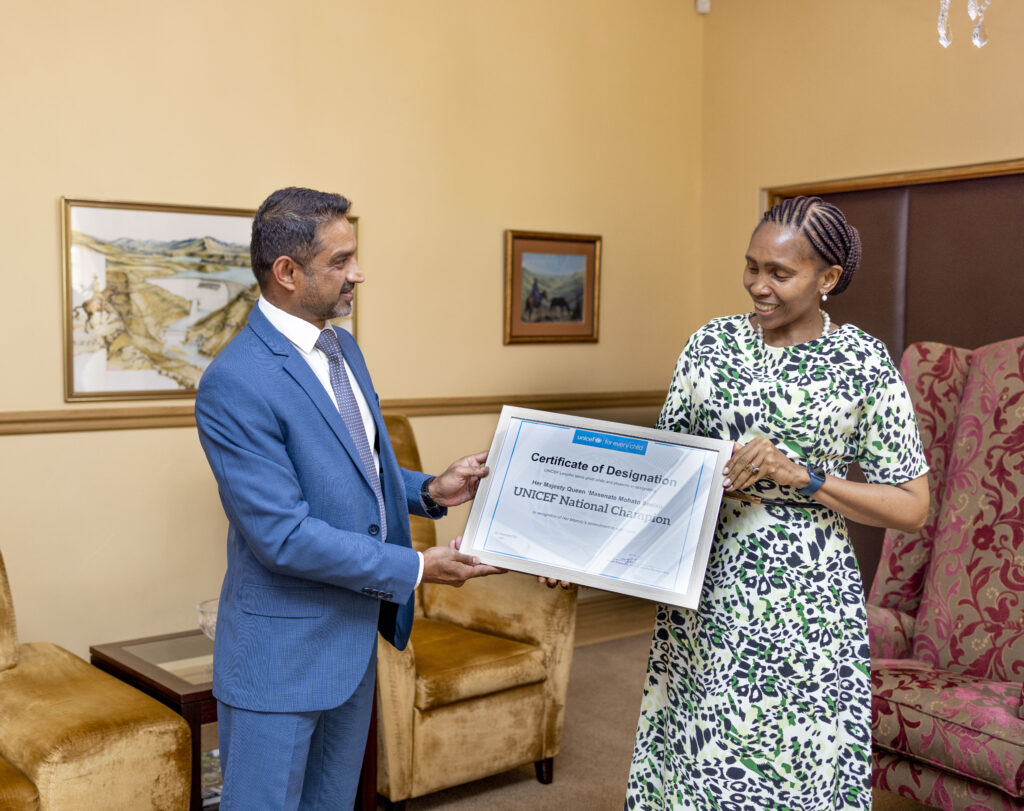
A key milestone in these efforts was the appointment of Her Majesty, Queen Masenate Mohato Seeiso, as UNICEF Lesotho’s National Champion. Her Majesty’s unwavering commitment to children’s welfare has been instrumental in advancing critical advocacy areas, including education, child protection, health, and water, sanitation, and hygiene (WASH). Her Majesty’s leadership has further galvanized efforts to improve the lives of children across the country.
An important development in UNICEF’s work is the signing of a Memorandum of Understanding (MoU) with the Vodacom Lesotho Foundation. This strategic, long-term partnership is designed to expand support for Basotho children and youth, especially the most vulnerable. It focuses on ensuring access to equitable and inclusive education, preventing violence against children—including online abuse and exploitation—and providing essential public information, particularly during emergencies.
UNICEF Lesotho has also deepened its advocacy through strategic collaborations with the private sector. Notably, partnerships with Standard Lesotho Bank, Vodacom Lesotho Foundation, and ETL have unlocked the GPE Multiplier Grant balance for Lesotho, reinforcing the nation’s commitment to high-quality, inclusive education. These private sector engagements have proven essential in leveraging business expertise and resources, ensuring comprehensive support for UNICEF’s mission to promote children’s rights, provide skilling opportunities for youth, and generate broader social impact across Lesotho.
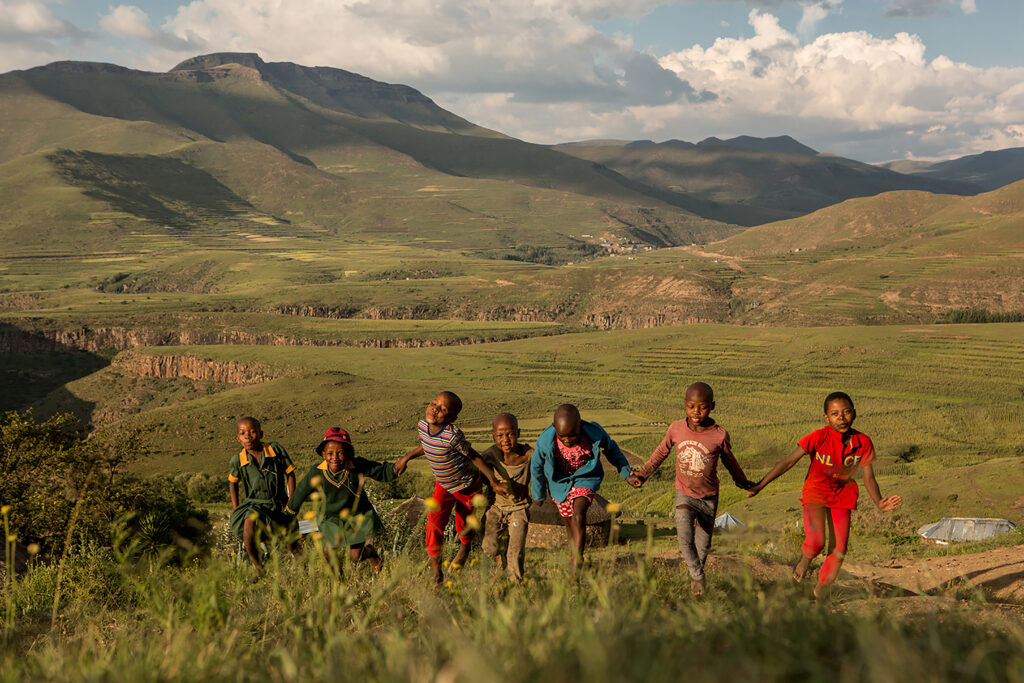
Early Childhood Development (ECD)
The emphasis on early childhood development has grown considerably, with UNICEF supporting the establishment of ECD centers and training programs for caregivers. These initiatives have enhanced early learning and developmental outcomes, as reflected in the increased enrollment in ECD programs. The government, with UNICEF’s assistance, has integrated ECD into the national education strategy, ensuring that more children have access to foundational education and care. The latest studies show that children who participate in ECD programs in Lesotho demonstrate better readiness for primary education, setting a strong foundation for lifelong learning.
Education
UNICEF’s efforts in education have led to a dramatic increase in school enrollment and retention rates. The partnership has seen the construction and renovation of schools, provision of learning materials, and teacher training programs, significantly improving the quality of education. Primary school enrollment has reached over 90%, and there has been a notable increase in the completion rates of both primary and secondary education. Furthermore, the introduction of school feeding programs has not only improved nutrition but also boosted attendance and performance, particularly in rural and underserved areas.
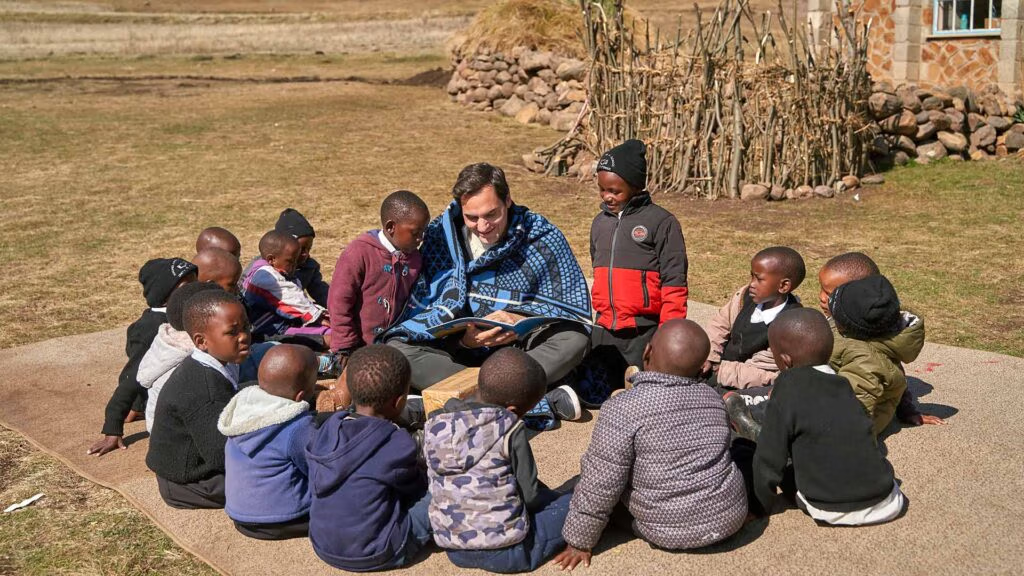
Child Protection and Social Development
The establishment of child protection systems has been a critical area of focus. UNICEF has worked with the government to implement the Children’s Protection and Welfare Act, providing a robust legal framework to safeguard children’s rights. This has led to a decline in child labor and a reduction in cases of violence against children. Recent data indicates a drop in child labor rates from 28% in 2000 to approximately 15% today.
Social services have been expanded to support orphans and vulnerable children, especially those affected by the HIV/AIDS pandemic, ensuring they receive necessary care and protection.
Public Finance and Policy for Children
UNICEF has played a pivotal role in advocating for increased public investment in children’s services in Lesotho. This advocacy has led to significant increases in budget allocations to critical sectors such as health, education, and social protection. For example, the budget for the Ministry of Education saw a 20% increase between 2010 and 2020, enabling the construction of new schools, the expansion of teacher training programs, and the provision of learning materials. Similarly, the health sector budget increased by 25% during the same period, facilitating the expansion of health centers and the enhancement of child and maternal health services.
These investments have been crucial in broadening access to essential services for children nationwide. Financial reports from recent years show that the Lesotho government has progressively allocated a larger share of the national budget to children’s services. In 2020, over 15% of the national budget was dedicated to education, up from approximately 10% in 2010. The health sector’s share also rose from 8% to 12% of the national budget in the same period. This increase in funding reflects a growing recognition of the importance of investing inchildren’s well-being and development.

Water, Sanitation, and Hygiene (WASH)
Improvements in water, sanitation, and hygiene (WASH) have been critical to enhancing children’s health and education outcomes. UNICEF’s support has enabled the construction of water supply systems and sanitation facilities in schools and communities. These initiatives have significantly reduced the incidence of waterborne diseases and improved school attendance, particularly for girls. The most recent surveys indicate that access to improved water sources has increased to 80%, while access to improved sanitation facilities has risen to 60%, up from much lower levels in the past.
UNICEF’s Strategic, Service Delivery and System Strengthening in Lesotho
For over four decades, UNICEF has been a driving force behind numerous initiatives aimed at improving the lives of children and families in Lesotho. Through strategic partnerships, targeted service delivery, and systemic strengthening efforts, the organization has left an indelible mark on the nation’s pursuit of equitable development and the realization of children’s rights.
UNICEF’s strategic approach in Lesotho has been multifaceted, addressing various sectors critical to child well-being. One key area of focus has been health, where UNICEF has played a pivotal role in reducing infant and child mortality rates. By supporting immunization campaigns, promoting breastfeeding practices, and strengthening primary healthcare systems, the organization has contributed significantly to improving child survival rates and ensuring access to essential health services.
Education has been another cornerstone of UNICEF’s work in Lesotho. Through initiatives such as the Child-Friendly Schools program, the organization has aimed to create a conducive learning environment that fosters inclusivity, safety, and quality education. UNICEF’s efforts have included training teachers, providing educational materials, and advocating for policies that prioritize access to education for all children, regardless of their socioeconomic background or geographic location.
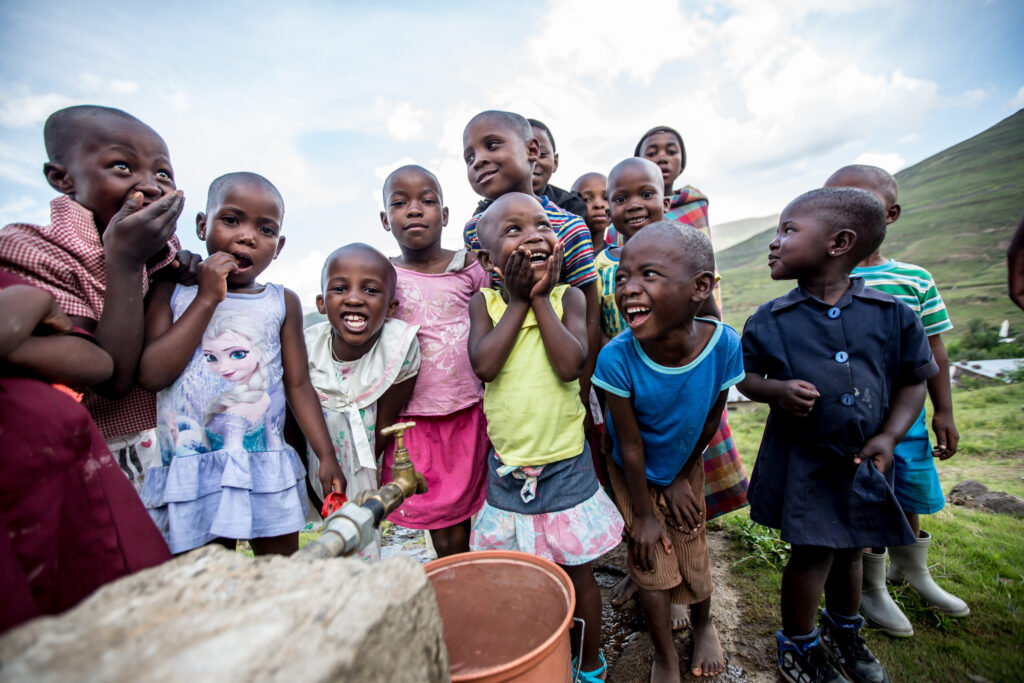
“Education is the most powerful weapon which you can use to change the world.” – Nelson Mandela
Recognizing the inextricable link between poverty and child well-being, UNICEF has also focused on addressing economic disparities and promoting sustainable livelihoods. By supporting income-generating activities, vocational training programs, and microfinance initiatives, the organization has empowered families and communities to break the cycle of poverty, thereby creating a more conducive environment for child development. Furthermore, UNICEF’s efforts have extended to the realm of child protection, where it has worked tirelessly to combat various forms of violence, exploitation, and abuse against children. This has involved strengthening legal frameworks, raising awareness, and establishing support systems for vulnerable children, including those affected by HIV/AIDS, disabilities, or other forms of marginalization.
One of UNICEF’s significant contributions has been its role in system strengthening, which involves enhancing the capacity of government institutions, civil society organizations, and communities to deliver essential services and uphold children’s rights. Through technical assistance, capacity building, and policy advocacy, UNICEF has collaborated with the Government of Lesotho and other stakeholders to develop and implement comprehensive strategies that address the multidimensional challenges faced by children and families.
UNICEF’s impact in Lesotho has been far-reaching, but the organization recognizes that challenges persist, and its work must continue. As the country navigates the complexities of the 21st century, UNICEF remains committed to adapting its strategies and interventions to address emerging issues, such as climate change, urbanization, and the digital divide, which have profound implications for children’s well-being.
Looking ahead, UNICEF’s future priorities in Lesotho will likely focus on strengthening resilience, promoting inclusive growth, and fostering innovation. By leveraging partnerships, harnessing data and evidence, and amplifying the voices of children and young people, the organization aims to accelerate progress towards the realization of the Sustainable Development Goals and ensure that no child is left behind.
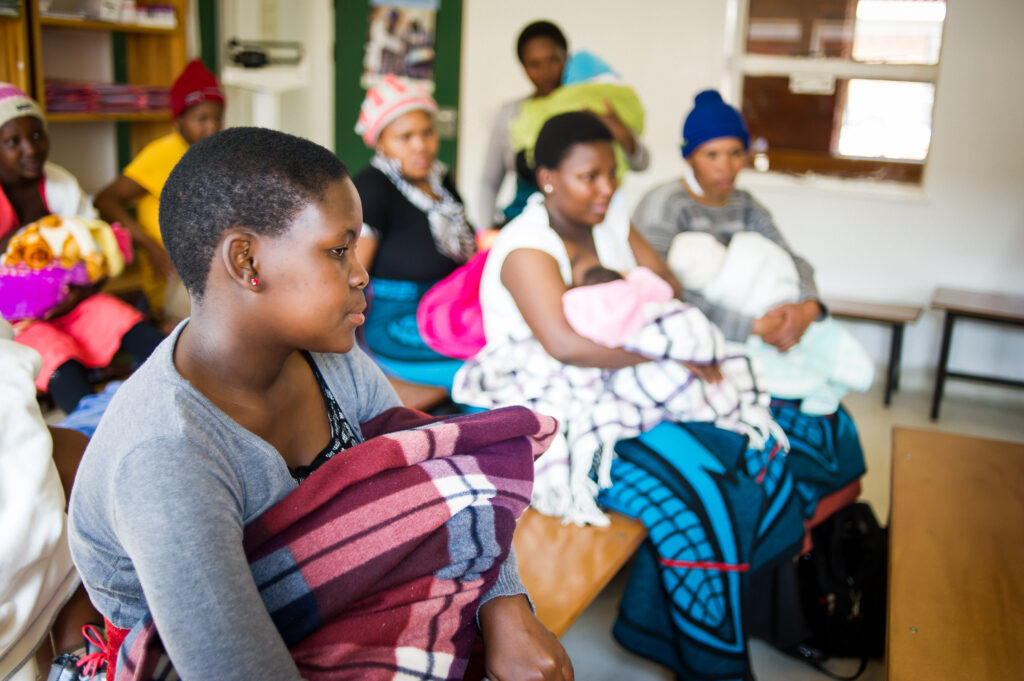
Conclusion
The combined efforts of UNICEF, the government of Lesotho, and other partners have fundamentally transformed the landscape for children in Lesotho over the last 40 years. While challenges remain, particularly in addressing poverty and disparities in rural areas, the progress made in health, education, and child protection provides a strong foundation for future development. Continued investment and commitment are essential to ensuring that every child in Lesotho has the opportunity to thrive and reach their full potential.
PLANNED WORK AND FUTURE COLLABORATIONS
Looking ahead, UNICEF Lesotho remains committed to addressing the evolving needs of children and communities in Lesotho. Key areas of focus include:
- Strengthening Healthcare Systems: UNICEF will continue to support the expansion and strengthening of healthcare services, with a focus on maternal and child health, immunization coverage, and HIV/AIDS prevention and treatment.
- Enhancing Education Access and Quality: Efforts will be intensified to ensure all children, especially girls and those from marginalized communities, have access to quality education. This includes the promotion of digital learning solutions and improving school infrastructure.
- Promoting Child Protection: UNICEF will work with the government and civil society to enhance child protection systems, with an emphasis on preventing violence, abuse, and exploitation.
- Climate Change and Disaster Response: Recognizing the growing impact of climate change, UNICEF Lesotho will support initiatives to build resilience among children and communities, including disaster preparedness and response strategies.