United Nations Migration Agency
Established in 1951, with 175 Member States, IOM is dedicated to promoting humane and orderly migration for the benefit of all. It does so by providing support to migrants across the world, developing effective responses to the shifting dynamics of migration and providing advice on migration policy and practice.
The organization collaborates with governmental, intergovernmental and non-governmental partners to improve the resilience of people on the move, particularly those in situations of vulnerability. It also works closely with governments to manage all forms of mobility, and their impacts. This work includes operations in some of the most complex emergency settings in the world.
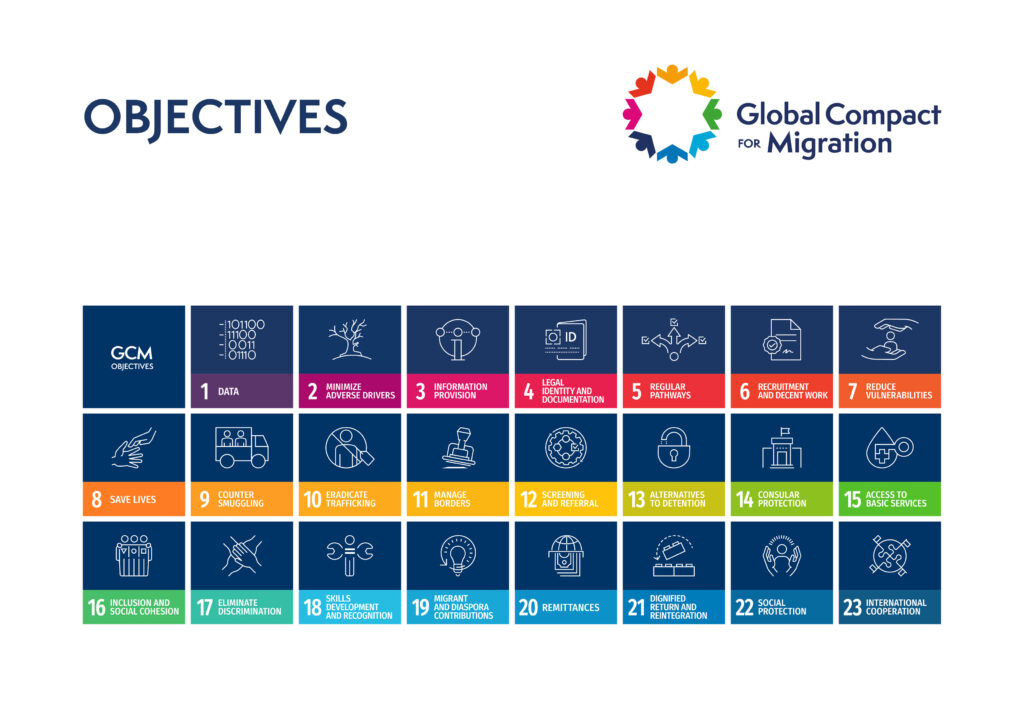
IOM was in the forefront of intergovernmental consultations and negotiations towards the development of a Global Compact for Safe, Orderly and Regular Migration (GCM). The GCM is the first inter-governmentally negotiated agreement, prepared under the auspices of the United Nations, covering all dimensions of international migration in a holistic and comprehensive manner. It presents a significant opportunity to improve the migration governance, to address the challenges associated with today’s migration, and to strengthen the contribution of migrants and migration to sustainable development.
The Global Compact is framed consistent with target 10.7 of the 2030 Agenda for Sustainable Development in which Member States committed to cooperate internationally to facilitate safe, orderly and regular migration. IOM is the designated United Nations agency to coordinate the United Nations Network on Migration established by the UN as a commitment to ensure implementation of the GCM. Lesotho performs remarkably well in the implementation of the GCM and became the 35th country in March 2024 joining countries worldwide committing to implementing the GCM. The GCM is designed to Support international cooperation on the governance of international migration. The IOM Constitution recognizes the link between migration and economic, social and cultural development, as well as to the right of freedom of movement.
The IOM works on the development of policy guidance on migration; formulation of global strategies; standard-setting and quality control; and knowledge management relating to “mainstream” migration sectors, including labour and facilitated migration, migration and development, counter-trafficking, assisted voluntary return, migration health, assistance for vulnerable migrants, immigration and border management and overall capacity-building in migration management.
Policy and Legal Framework
Lesotho became a member of IOM in 2010 and is a signatory of the GCM. IOM subsequently opened an office in Lesotho in 2017. Since establishing an office in Lesotho, migration was for the first time integrated into the Lesotho National Strategy for Development Plan (NSDP). IOM’s focus of work in the NSDP was policy formulation, border governance, counter human trafficking, migration and health, and labor migration including diaspora engagement. The IOM supported formulation and adoption three migration policies; the umbrella Migration and Development Policy, Labor Policy and the Diaspora Policy. Implementation of these policies led to the amendment of Anti-Trafficking Act 2011, enactment of Labor Act 2024 and the establishment of the Diaspora Directorate to strengthen diaspora engagement coordination aiming to fulfill the government’s priority of broadening private sector participation in economic development.
Migrants Protection and Assistance
IOM works to realize IOM’s commitment to address the needs, as well as promote and uphold the rights of migrants. IOM supports these individuals and communities to access and exercise their rights. It also offers support to the government in carrying out its duty to protect and fulfil migrants rights, contributing to managing in line with international standards and practices. Working in partnership with other stakeholders, IOM responds through the following pillars: direct assistance; training and capacity development; data, research and learning; convening and dialogue; advocacy and communications; as well as the provision of thematic guidance. Because of countertrafficking trainings conducted, communities and duty bearers are more aware of trafficking in persons and know that it is a crime that must be reported to law enforcement entities and perpetrators prosecuted. IOM has established referral mechanisms and developed Standard Operating Procedures for Victims of Trafficking referrals.
Return and Reintegration
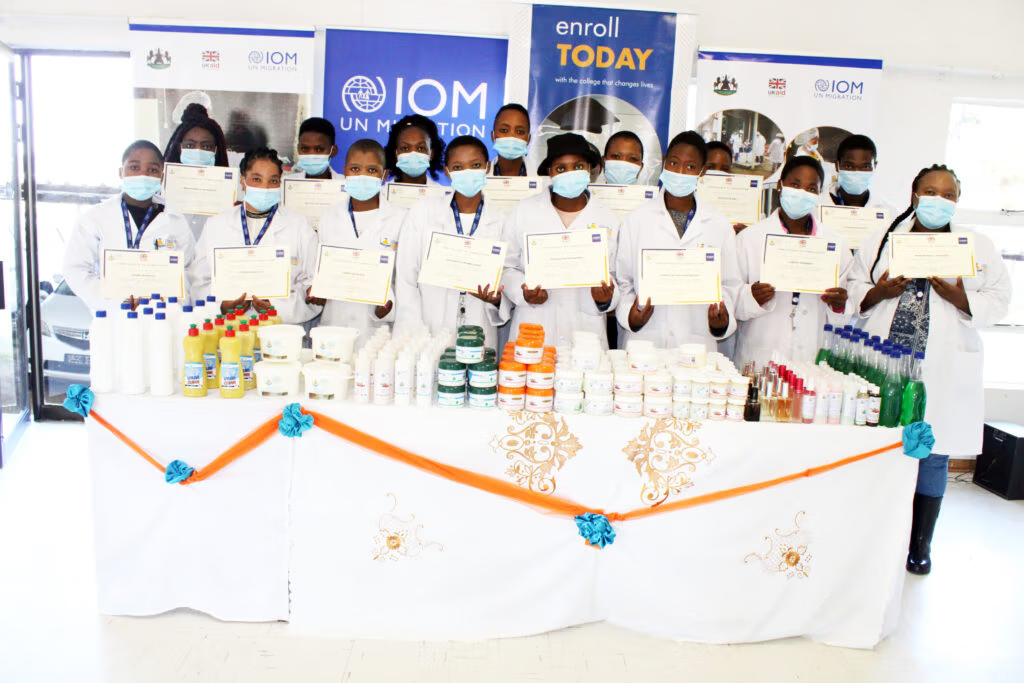
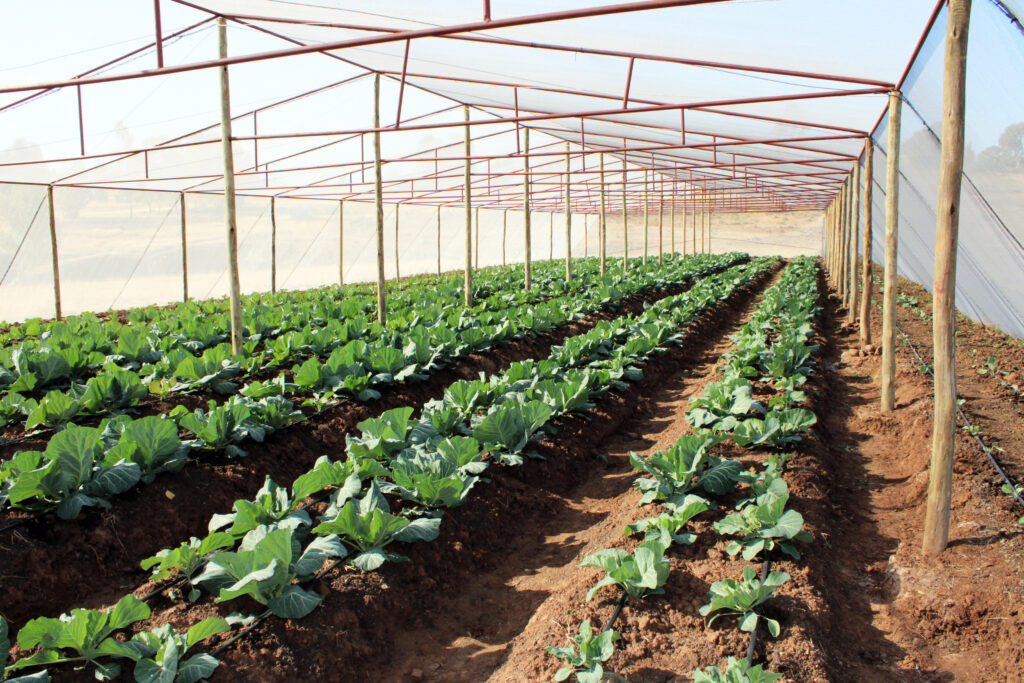
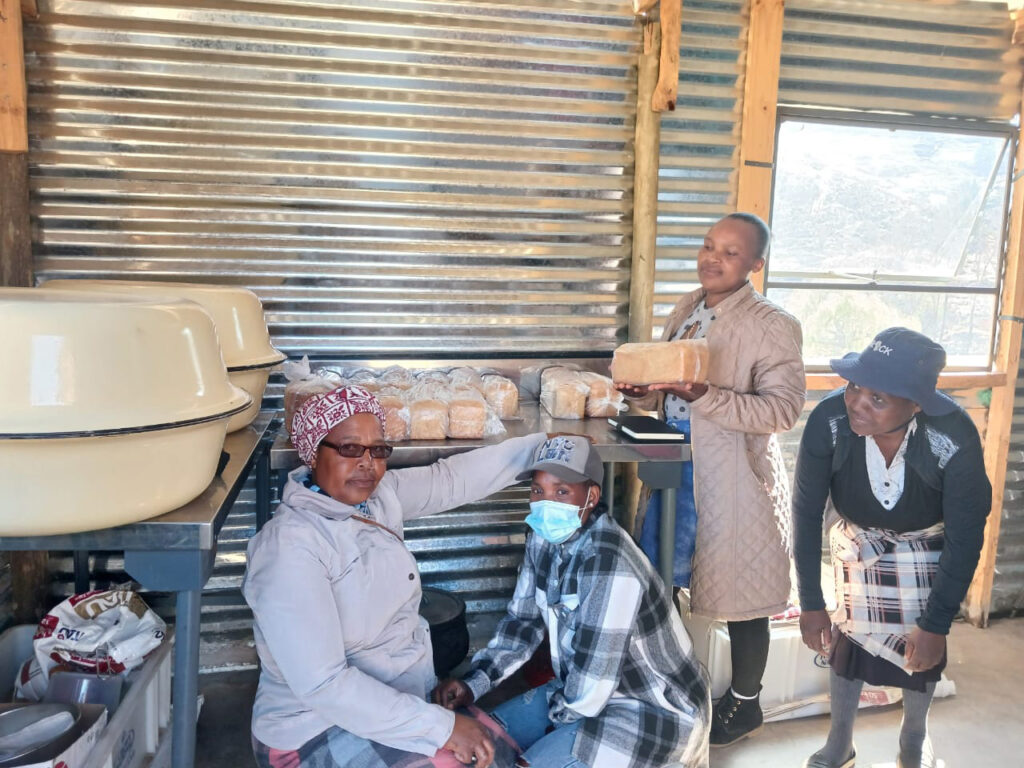
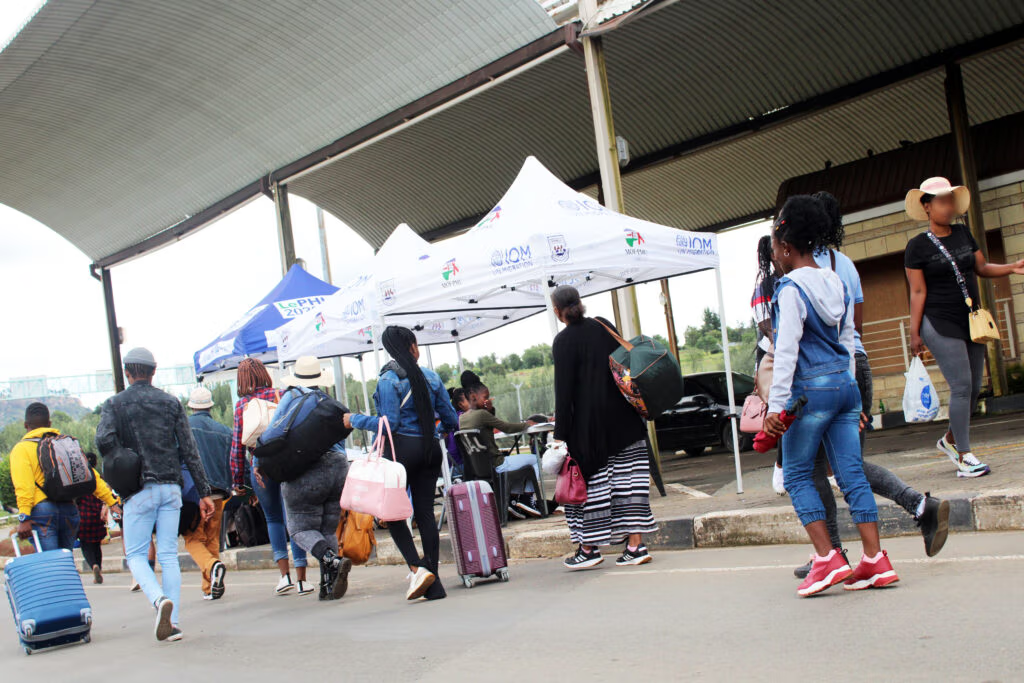
The return of migrants to their countries of origin and their reintegration into the societies and communities that receive them, are natural features of international mobility. Sustainable reintegration is an indispensable part of a comprehensive approach to migration management. IOM views reintegration to be sustainable when “returnees have reached levels of economic self-sufficiency, social stability within their communities, and psychosocial well-being that allow them to cope with migration drivers. During the COVID-19 pandemic many Basotho migrants returned home from their jobs and were unable to support their families. About 280 beneficiaries in Lesotho regained their livelihoods through a programme designed to train returning migrants and communities on marketable skills and provided them seed capital to establish businesses and cooperatives.
Migration and Health
Migrants and mobile populations face many obstacles in accessing essential health care services due to a number of factors including irregular immigration status, language barriers, a lack of migrant-inclusive health policies and inaccessibility of services. Such disparities impact the well-being of migrants and host communities and undermine the realization of global health goals, such as preventing, treating and eliminating HIV, tuberculosis and other diseases.
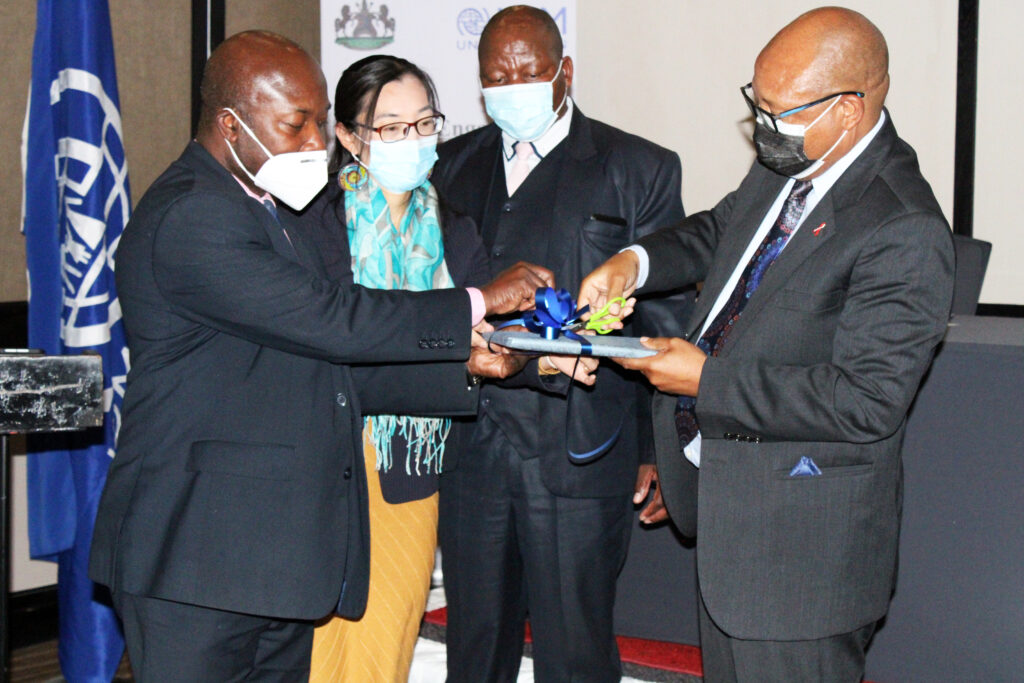
The high mobility of people between Lesotho and the Republic of South Africa through very porous borders requires vigilance, preparedness and response to disease outbreaks. IOM engages closely with relevant government ministries, especially the Ministry of Health and other stakeholders at Ports of Entry (POEs). IOM developed a migrant friendly health services delivery model for Lesotho in 2023 to facilitate access to health services in a cross-border setting.
Data and Research
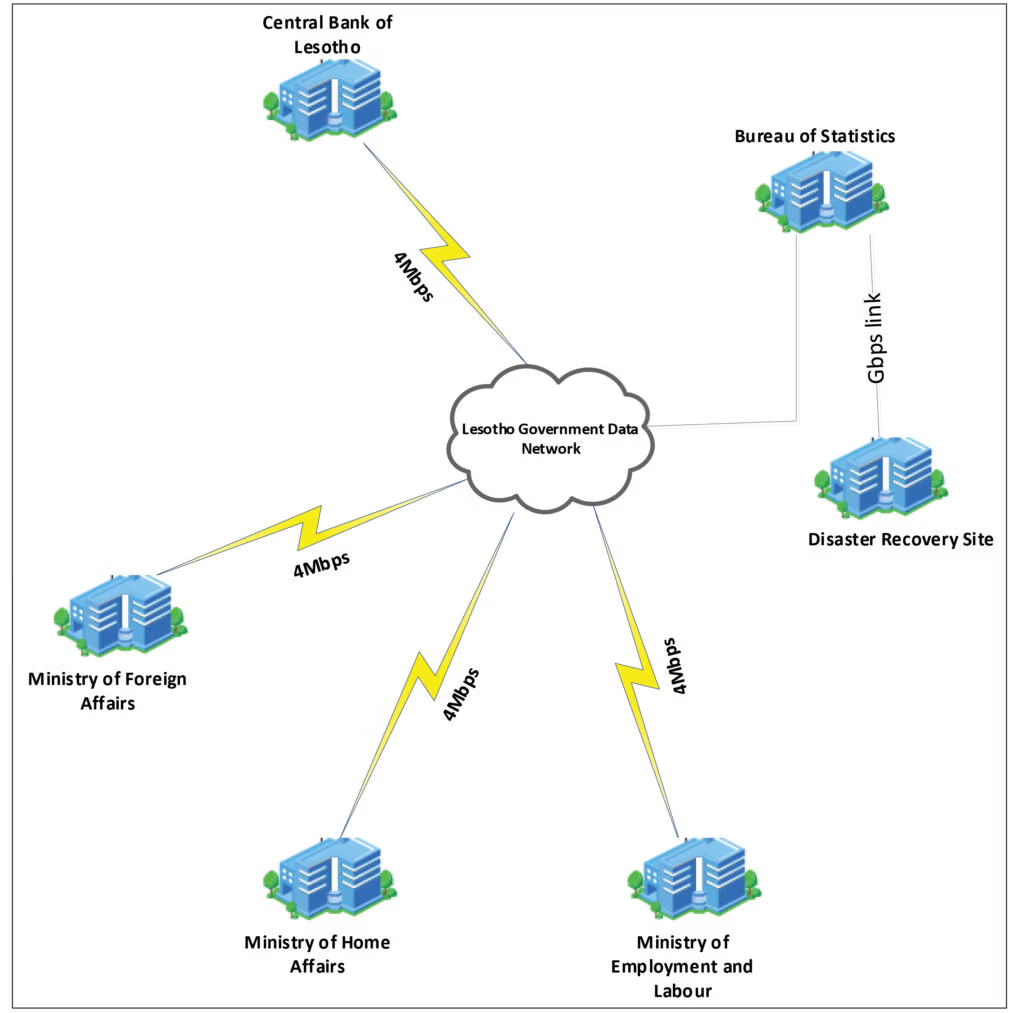
Credible data is essential for a well formulated policy framework and planning. Lesotho collects a lot of migration data that is not fully utilized due to inadequate capacity. Until recently administrative migration data was not analyzed resulting in lack of proper planning for migration governance. IOM supported the first compilation of Lesotho Migration Profile Report with the involvement of multi-stakeholders. The report provides an analysis of migration trends in Lesotho and the guiding international and local frameworks. Processes to compile the report involved training of staff, digitalizing records, developing databases and the development of an Integrated Migration Data Management System (IMDMS).
Crosscutting issues
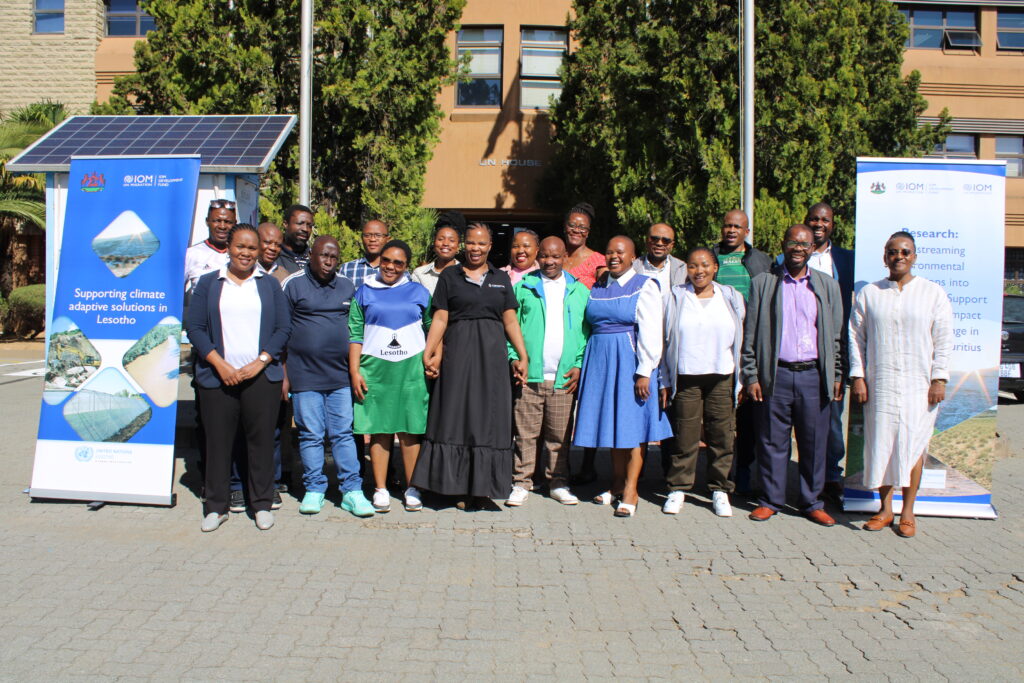
IOM recognizes that a well-managed environment is inherently linked to the wellbeing and resilience of human beings. Environmental degradation can lead to migration of communities that are not able to cope with and can have adverse effects on those who are not able to migrate. Lesotho is facing frequent climate change induced environmental changes which have resulted in increasing human mobility from rural to urban areas. IOM works with Disaster Management Authority and local authorities on integrating migration dimensions into environment programmes. IOM is supporting the Ministry of Environment and Forestry to develop a Migration, Environment and Climate Change Strategy with an objective to promote climate adaptive solution and promote green jobs.
Priority focus area of support to the Government of Lesotho in the coming years will be guided by the following three objectives:
- Saving lives and protecting people on the move: To fulfill this objective, IOM puts the safety, dignity and protection of people first in the most challenging crisis response contexts in the world.
- Driving solutions to displacement: In response to this aim, IOM endeavors to reduce the risks and impacts of climate change, environmental degradation, conflict and instability for communities affected by or at risk of displacement.
- Facilitating pathways for regular migration: To address this pursuit, IOM prioritizes whole-of-government, whole-of-society approaches to safely connect people, goods, services, knowledge and innovation.